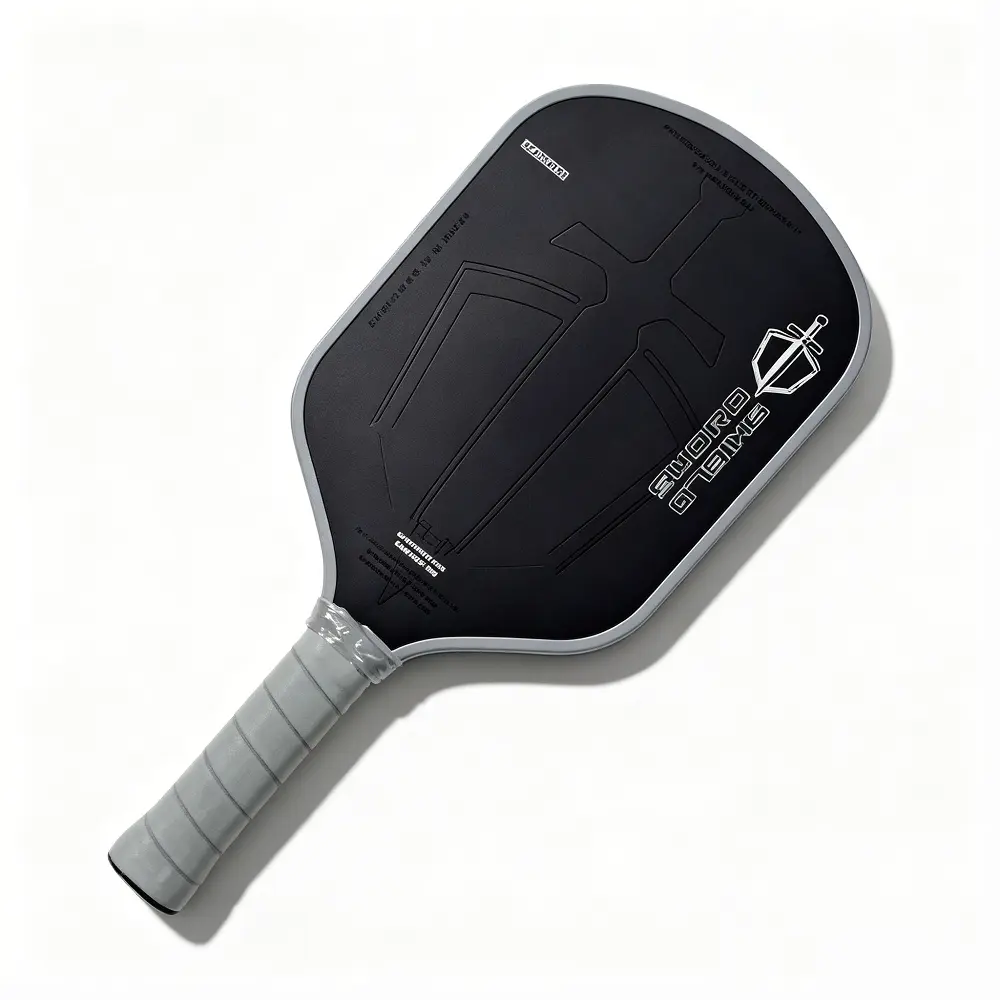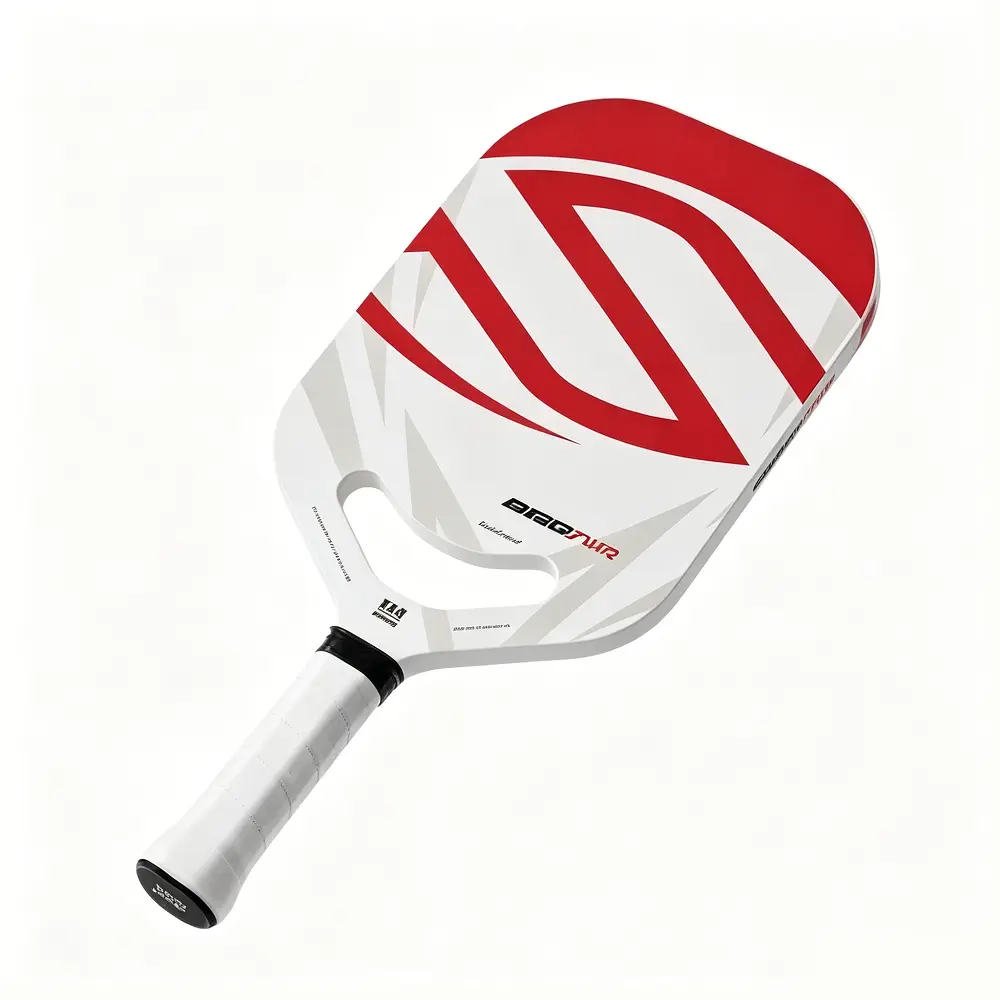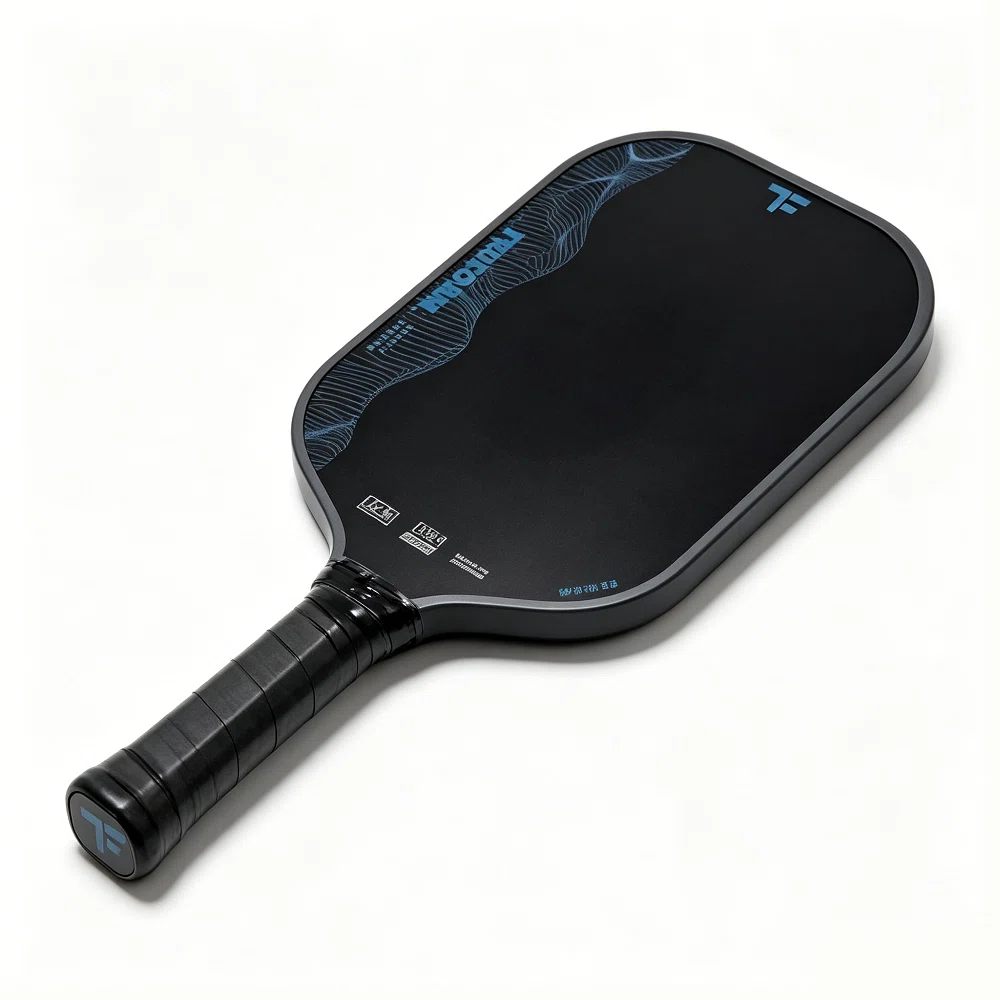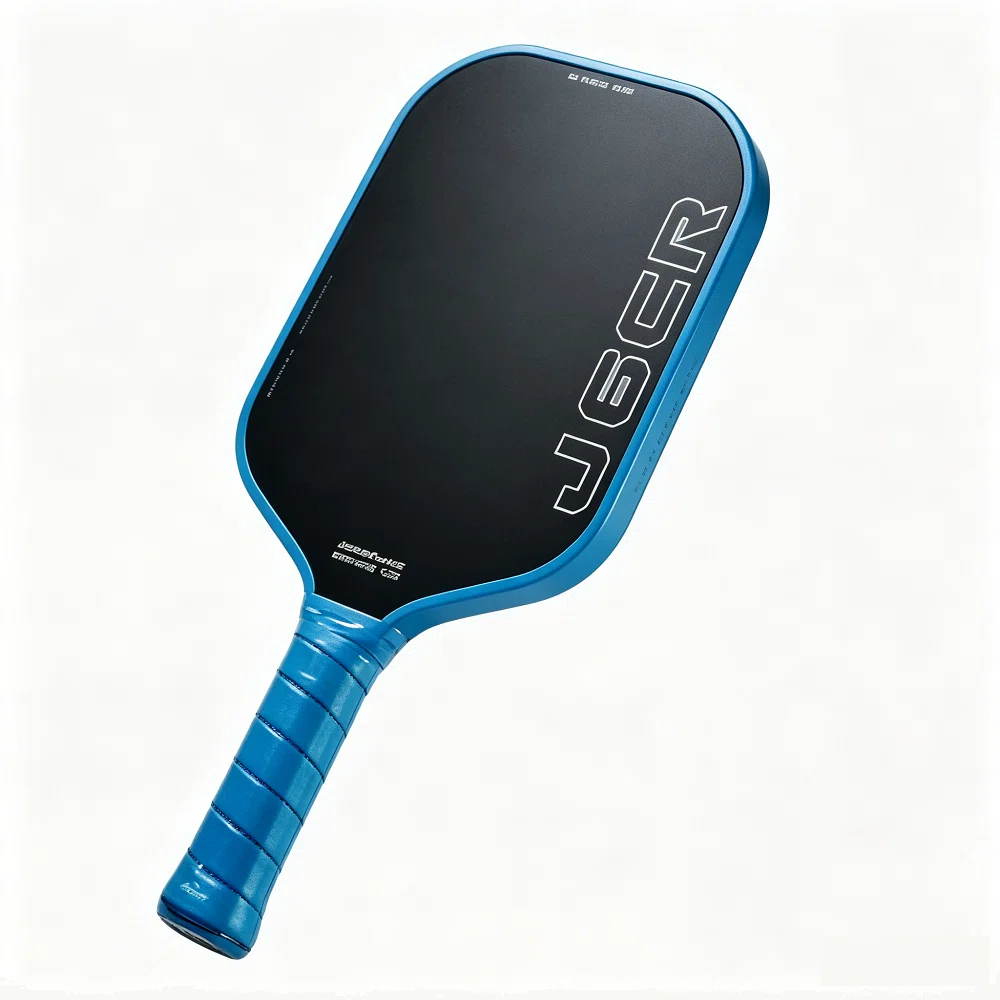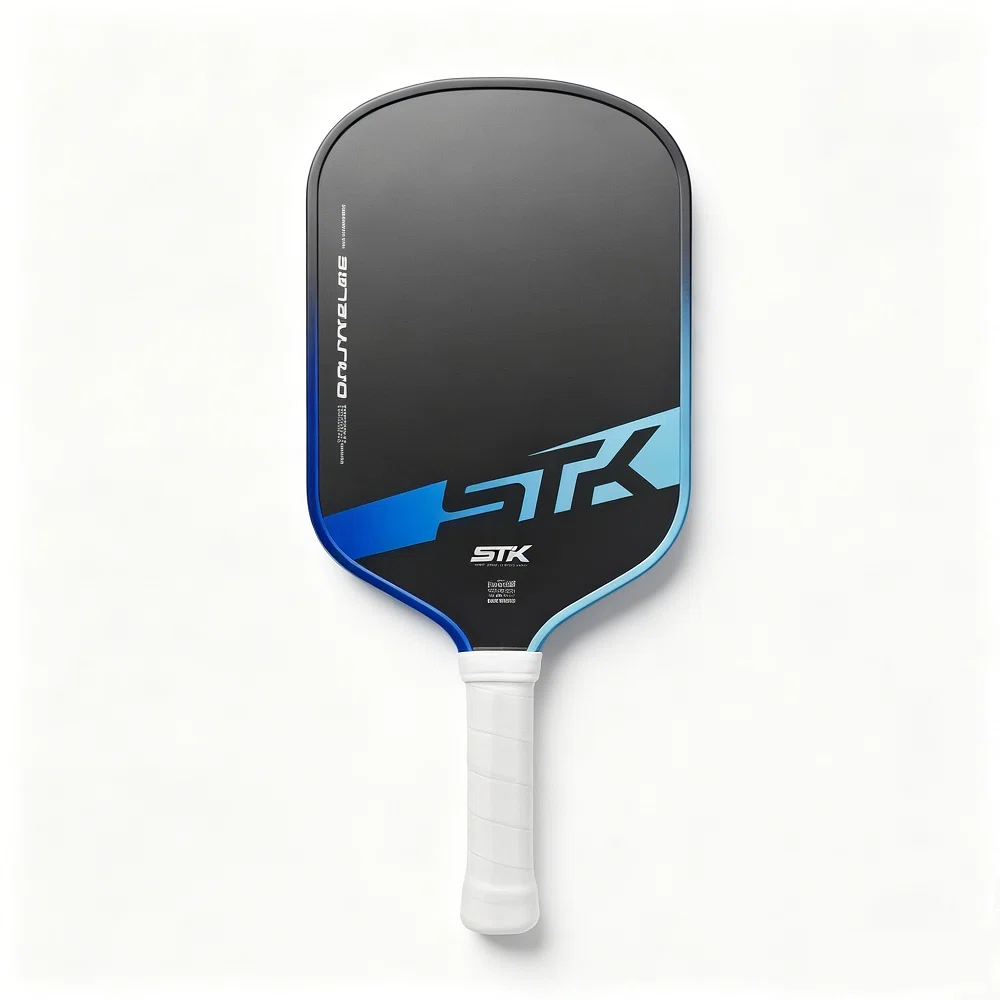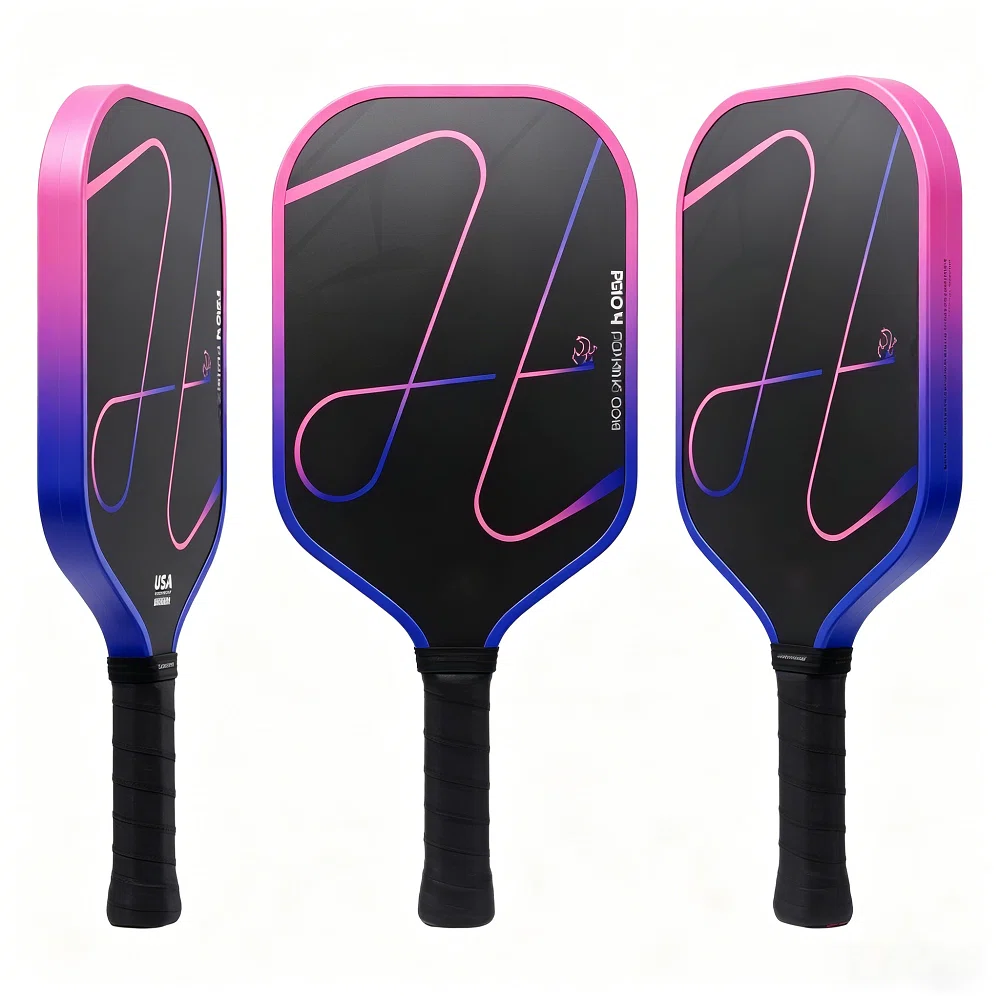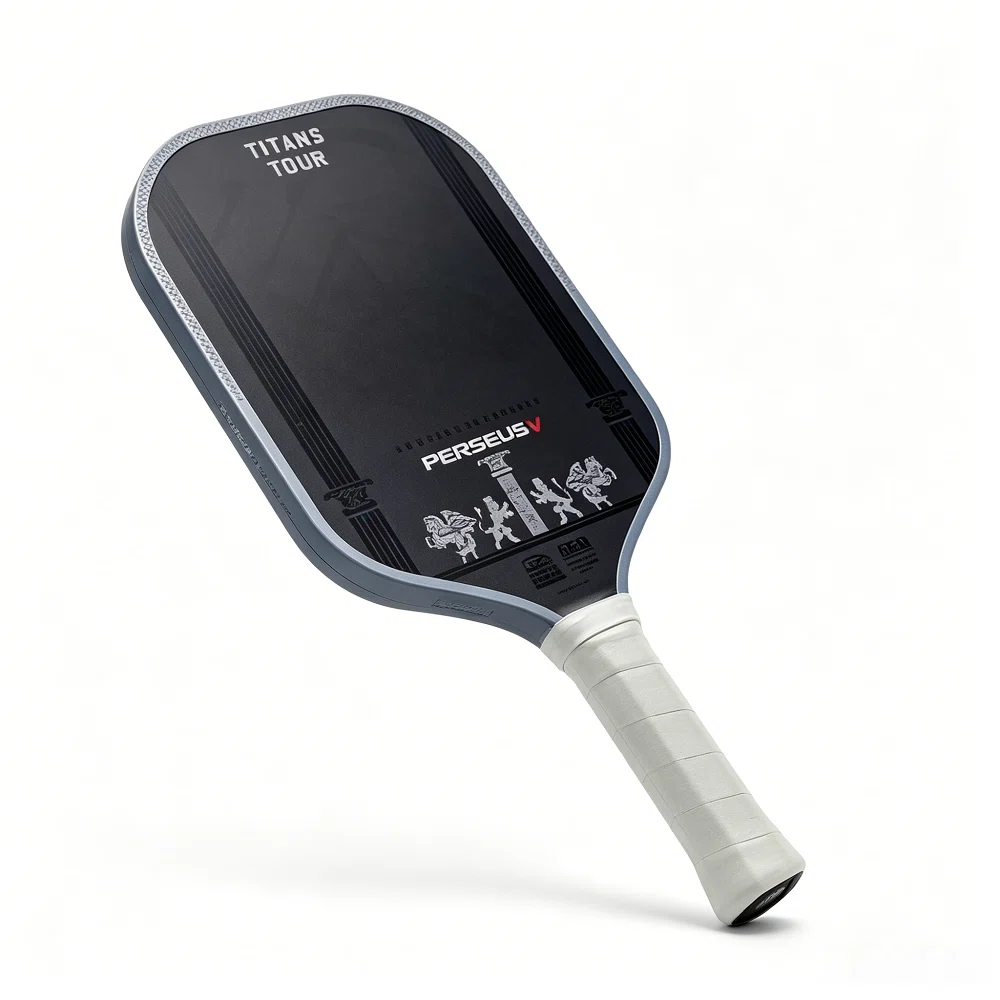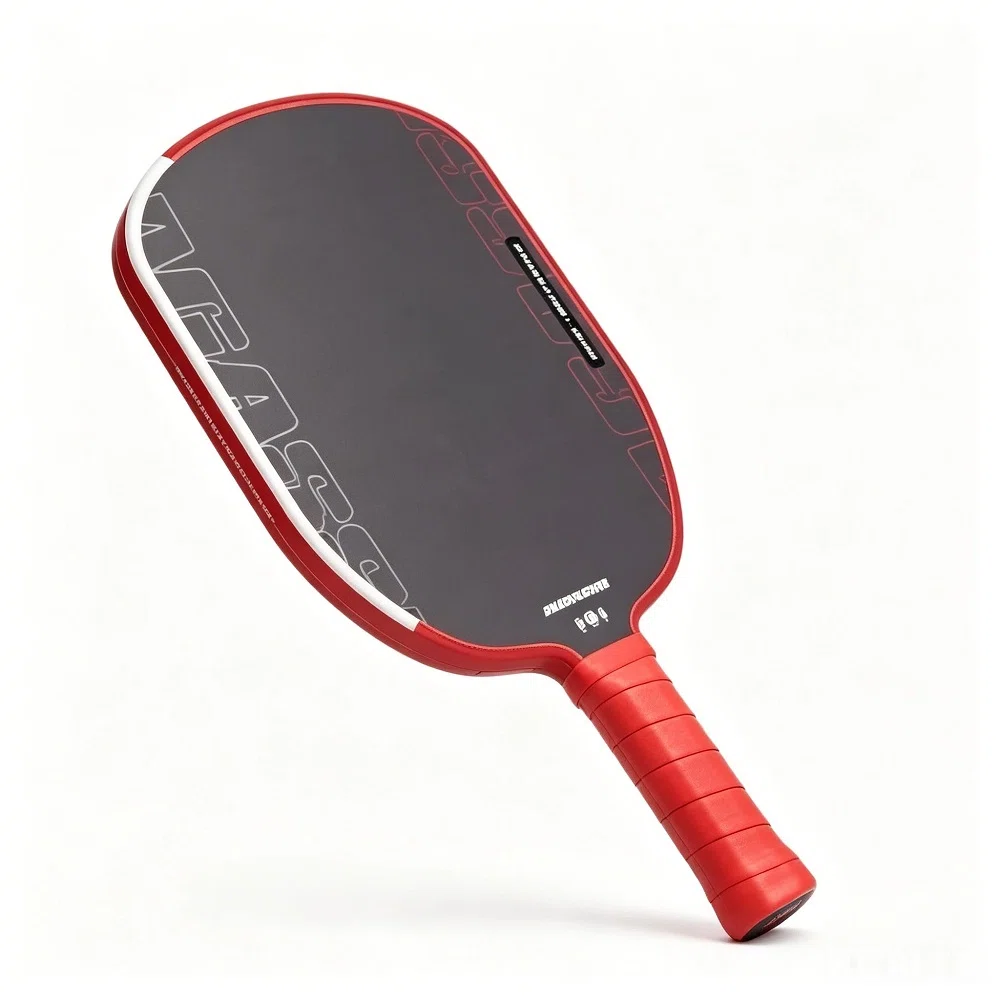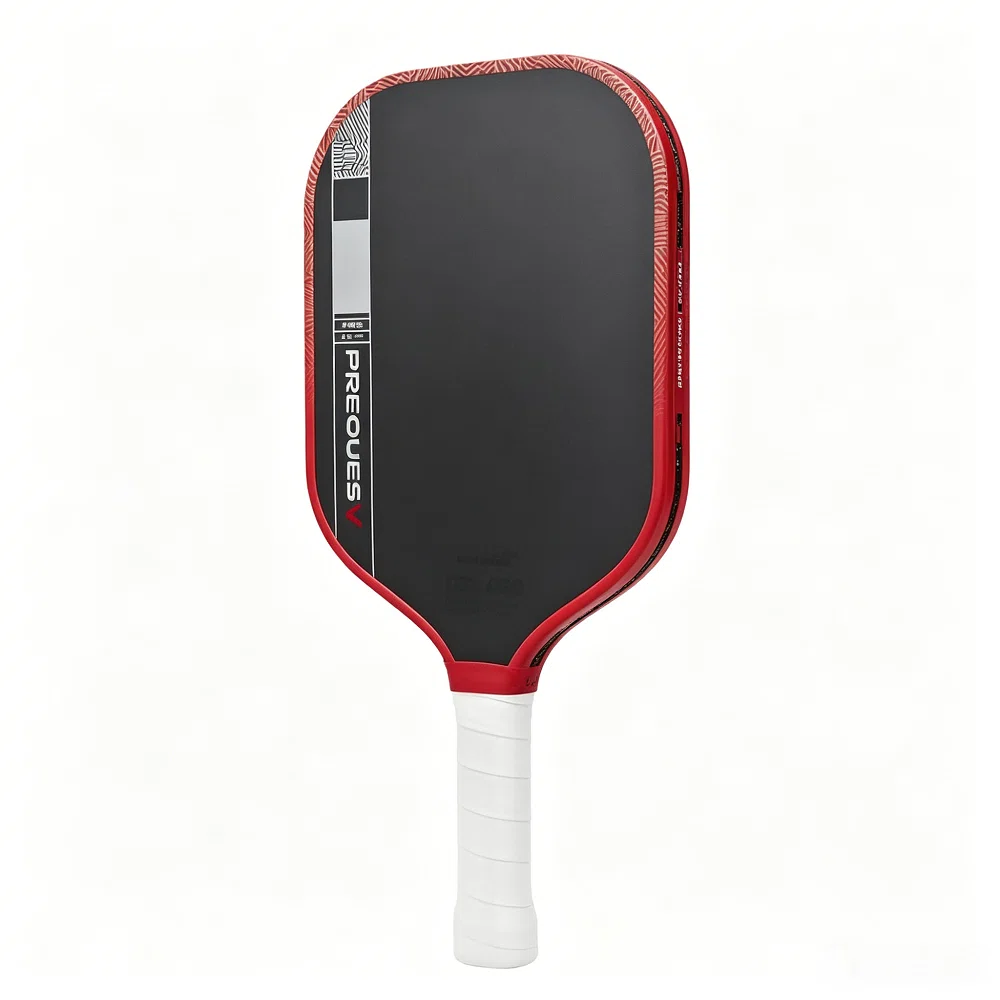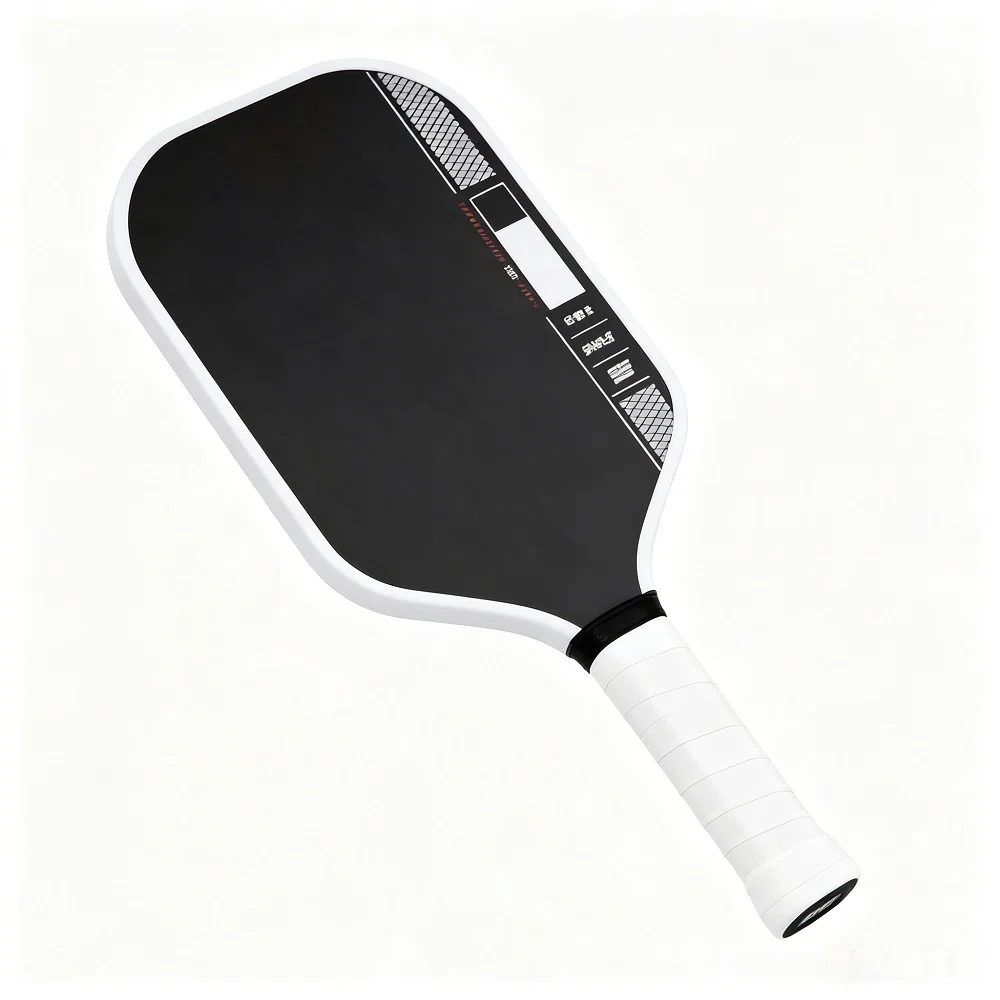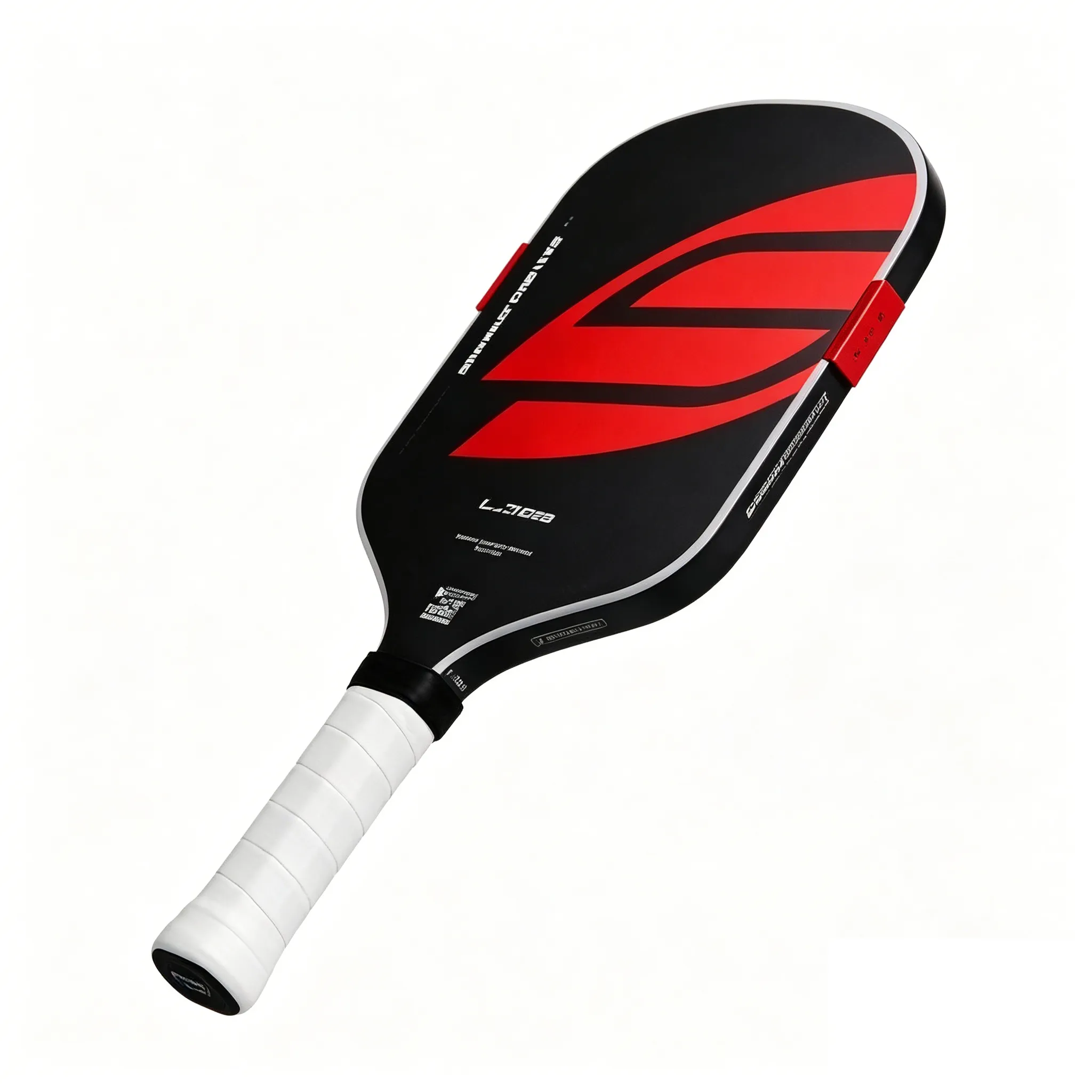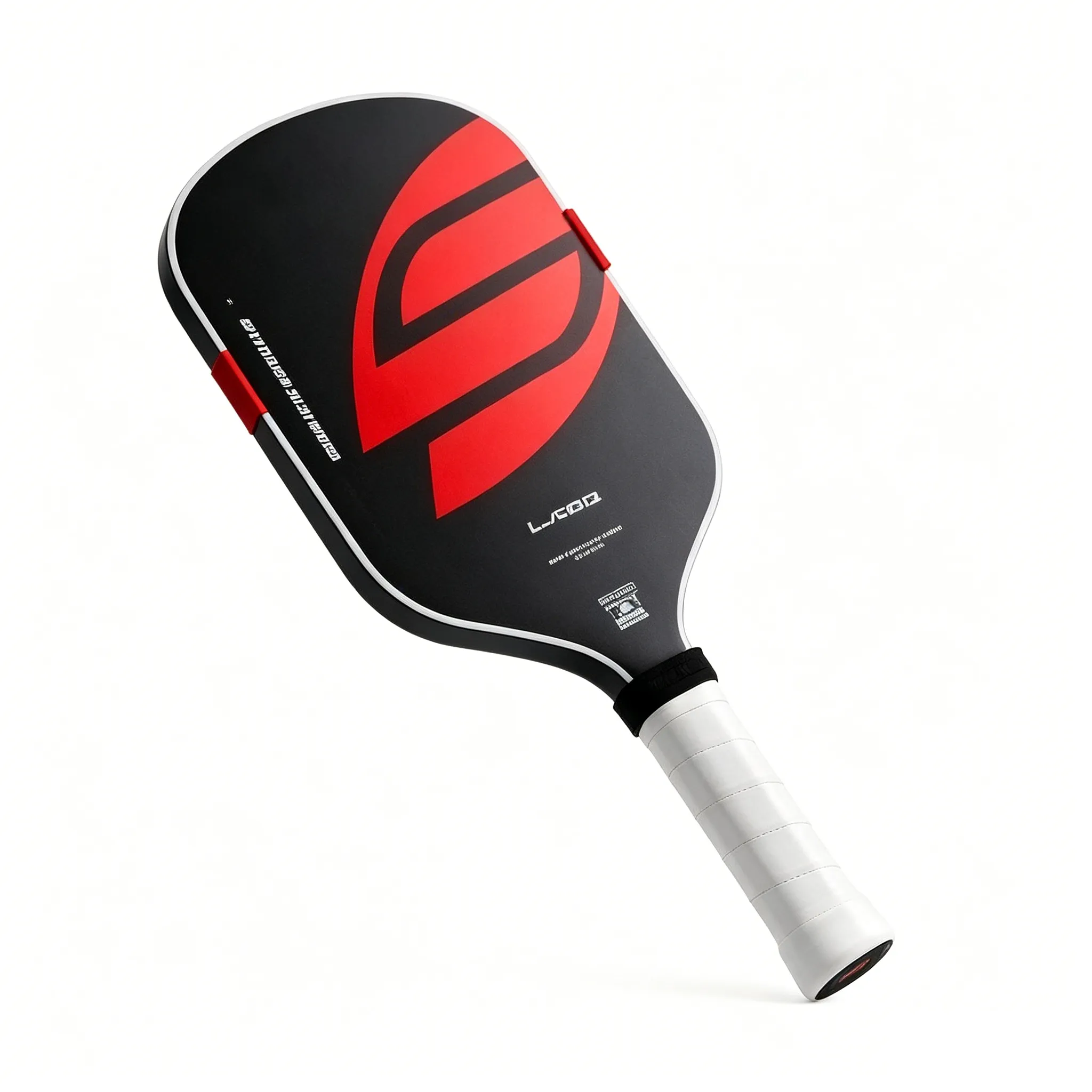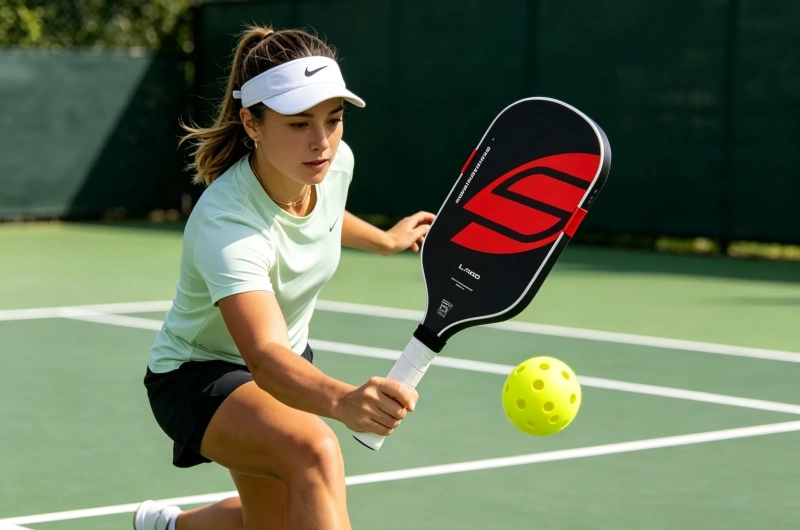
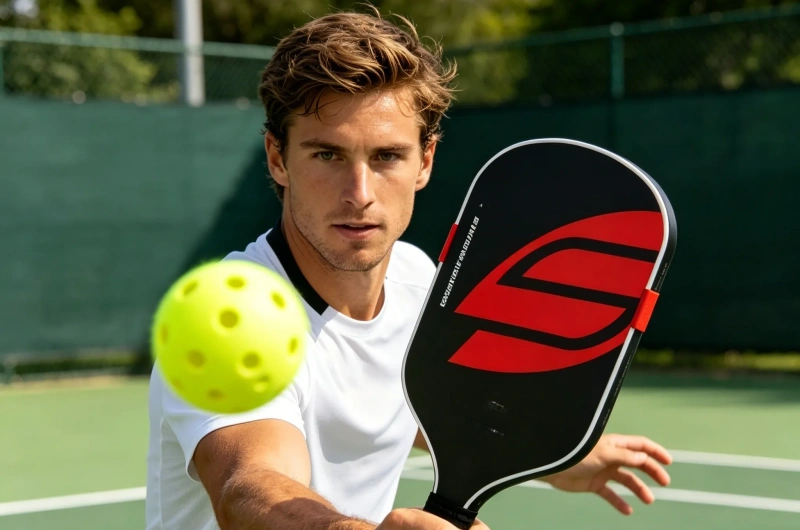
If you are sourcing pickleball paddles at wholesale volume, the face material on the quote sheet is only the beginning. Two paddles can both say âT700 carbon fiberâ and perform nothing alike â because the difference sits in fiber grade, pressing method, weight tolerance, and whether the factory actually controls its own production line.
This guide is written for procurement managers, brand owners, and ODM/OEM buyers who need to evaluate Chinese paddle suppliers on technical merit, not marketing language. We are a professional pickleball paddle factory based in China, and the sections below reflect how we approach production, testing, and custom development for international brands.
Toray T700 is a standard-modulus carbon fiber originally developed for aerospace and sporting goods applications. In pickleball, its appeal is straightforward: high tensile strength, low weight, and a surface texture that can be engineered for spin without violating equipment rules.
The fiber itself is not the whole story. Raw T700 carbon fiber produces more spin and longevity than fiberglass or lower-grade carbon fiber when paired with a properly textured surface and a polymer honeycomb core[citation:1]. The manufacturing variables that determine whether a paddle performs â and whether it stays compliant â include:
For buyers, the practical question is not âdo you use T700?â but âhow do you control the variables that make T700 worth the cost?â
A supplier that outsources thermoforming or cold press cannot control cycle time, temperature profile, or pressure distribution. Those three factors determine whether your paddle ends up with consistent thickness and balance â or with variance that shows up as warranty claims six months later.
Ask for a video call with the production floor running. A real factory can name its own processes and show the equipment. A trading company will pivot to âwe work with strong factory partnersâ[citation:2].
Weight consistency is one of the clearest indicators of production discipline. The industry benchmark for control paddles is 225g ±5g, with 100% weighing on the line and balance point sampled per batch[citation:2].
If a supplier cannot tell you what happens when a paddle falls outside tolerance â rework, reject, or ship anyway â you have your answer about their quality culture.
USA Pickleball caps surface roughness at Rz â¤30 micrometers and Ra â¤10 micrometers. For professional play, UPA-A certification adds another layer of scrutiny, including whether the carbon fiber surface uses Toray fiber[citation:4][citation:14].
A factory serious about tournament-grade production will have profilometer data available before you ask. Raw T700 weave typically produces Rz values in the 8â15 micrometer range, leaving room for controlled texture enhancement without crossing the legal limit[citation:14].
Standard MOQ for private-label paddles runs around 200 units per model and color. Custom molds, shapes, or exclusive layups raise the effective MOQ or add tooling fees[citation:2].
The suppliers worth shortlisting are transparent about which parts of your request are included in the quoted price â logo placement, edge guard color, grip wrap, packaging â and which trigger additional tooling costs[citation:2].
True ODM partnership means the factory contributes to product definition, not just decoration. That starts with questions about your target player, price positioning, and channel strategy.
A capable ODM partner will ask:
These questions lead to specification decisions â core density, edge foam, handle geometry, surface finish â that determine how the paddle actually plays. A supplier that only asks for your logo file is a decorator, not a development partner[citation:20].
| Model | Design Input | Tooling | Typical MOQ | Best For |
|---|---|---|---|---|
| OEM | You provide full specs and drawings | Often client-owned | Higher per model | Brands with in-house design teams |
| ODM | Factory co-develops around your goals | Factory or shared | Flexible, 200â500 units | Brands entering pickleball or expanding SKUs |
| OBM | Factory-designed, your brand | Factory-owned | Lowest, often 50â100 | Retailers and e-commerce sellers testing demand |
Thickness variance is the single largest cause of USA Pickleball certification failures, accounting for roughly 23% of rejections. Hot-pressed construction can create 0.3â0.8mm of variation between paddle center and edge. Thermoformed construction, when properly executed, holds tolerance within ±0.1mm[citation:19].
Surface texture violations come second at 18% of failures, followed by edge guard protrusion and core material non-compliance[citation:19]. These are manufacturing process issues, not design flaws â which means the factory you choose directly determines your certification success rate.
USA Pickleball approval is required for sanctioned amateur play. UPA-A certification is required for professional events including PPA Tour and Major League Pickleball[citation:4].
Buyers should understand that certification is brand-held, not factory-held. A factory can show a history of approved client models, but your brandâs submission is a separate process and cost. For 2026, UPA-A fees include a $10,000 annual brand fee and $3,000 per paddle submission, with testing taking up to eight weeks at standard turnaround[citation:4].
This changes the sourcing calculus. If your target market is recreational and club play, USA Pickleball approval on a platform design may be sufficient. If you are pursuing professional credibility, budget the certification timeline into your launch calendar â typically four to six months before market launch[citation:19].
A factory with experience in certification submission can reduce first-pass failure risk by catching thickness, texture, and edge guard issues before the paddle reaches the lab.
Reference lead times for Chinese paddle factories:
| Stage | Typical Timeline |
|---|---|
| Sample development | 7â15 days |
| Sample fee | $30â80, refundable against first order |
| Bulk production (2,000 units) | 30â40 days after deposit and sample approval |
| Custom mold development | Adds 2â4 weeks before sampling |
These are reference numbers, not guarantees. What matters is whether the supplier gives you specific figures tied to your order volume and current production load. âAs soon as possibleâ is not a lead time[citation:2].
Before the deposit, put the following in writing:
The pickleball paddle market continues to expand across North America, Europe, and Asia-Pacific, with mid-range paddles ($50â150 retail) dominating volume and premium carbon fiber models growing fastest in the professional segment[citation:18]. For B2B buyers, this means the supply base is maturing â and the gap between factories that can support brand growth and those that only quote unit price is widening.
A China manufacturer that presses its own carbon fiber, tests weight and surface roughness in-house, and has navigated USA Pickleball or UPA-A certification is a different kind of partner than a trading company forwarding quotes. The right factory will answer technical questions with numbers, welcome a video audit, and treat your specification sheet as a contract.
If you are evaluating sources for T700 carbon fiber pickleball paddles and want to discuss OEM or ODM development, the technical details in this guide are the starting point for a more specific conversation.