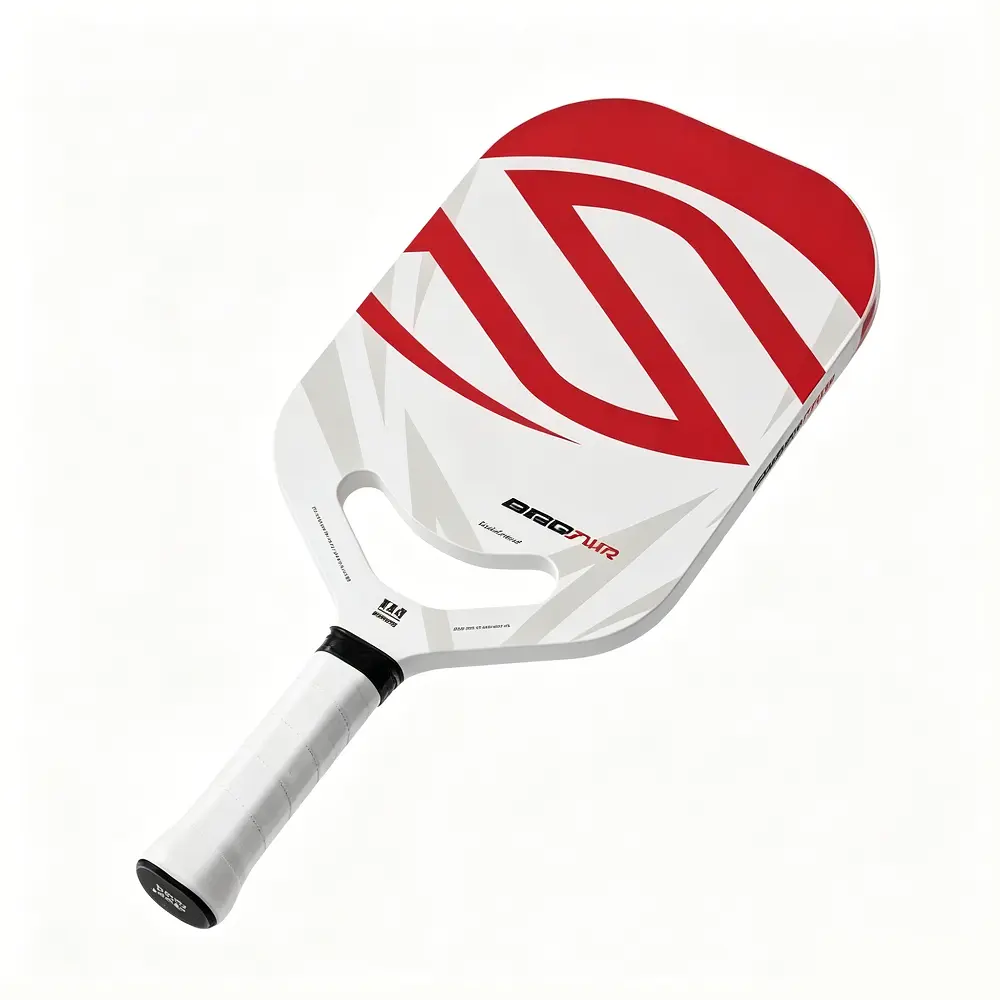
Cold‑Press vs Thermoformed Pickleball Paddles: MOQ, Cost & Defect Rate for Wholesale Buyers
Introduction
As pickleball continues its rapid global growth, wholesale buyers and resellers face one critical technical decision: should you source cold‑press paddles or thermoformed paddles for your catalog. Many new buyers only compare retail‑level product reviews, and miss the business‑critical metrics: minimum order quantity, FOB unit price, real‑world defect rate, production lead time and profit margin potential.
Cold‑press and thermoformed represent two completely different manufacturing workflows. Neither technology is universally better. Each has its own sweet spot for resellers. Cold‑press dominates entry‑level and mid‑volume markets with low unit cost and flexible customization. Thermoformed delivers premium performance, higher retail price points and improved structural durability, but comes with higher barriers for small‑batch buyers.
For wholesale buyers importing from Chinese factories, misunderstanding these two processes creates expensive mistakes. You may overpay for thermoformed tooling when your target customers only need recreational‑grade equipment. Or you may launch cold‑press paddles into a competitive premium segment, and receive negative reviews about edge damage and short service life. This guide focuses strictly on B2B wholesale sourcing factors, to help you match manufacturing technology to your brand positioning, budget and target audience.
1. Core Manufacturing Difference: Cold‑Press and Thermoformed Construction
What is cold‑press pickleball paddle construction
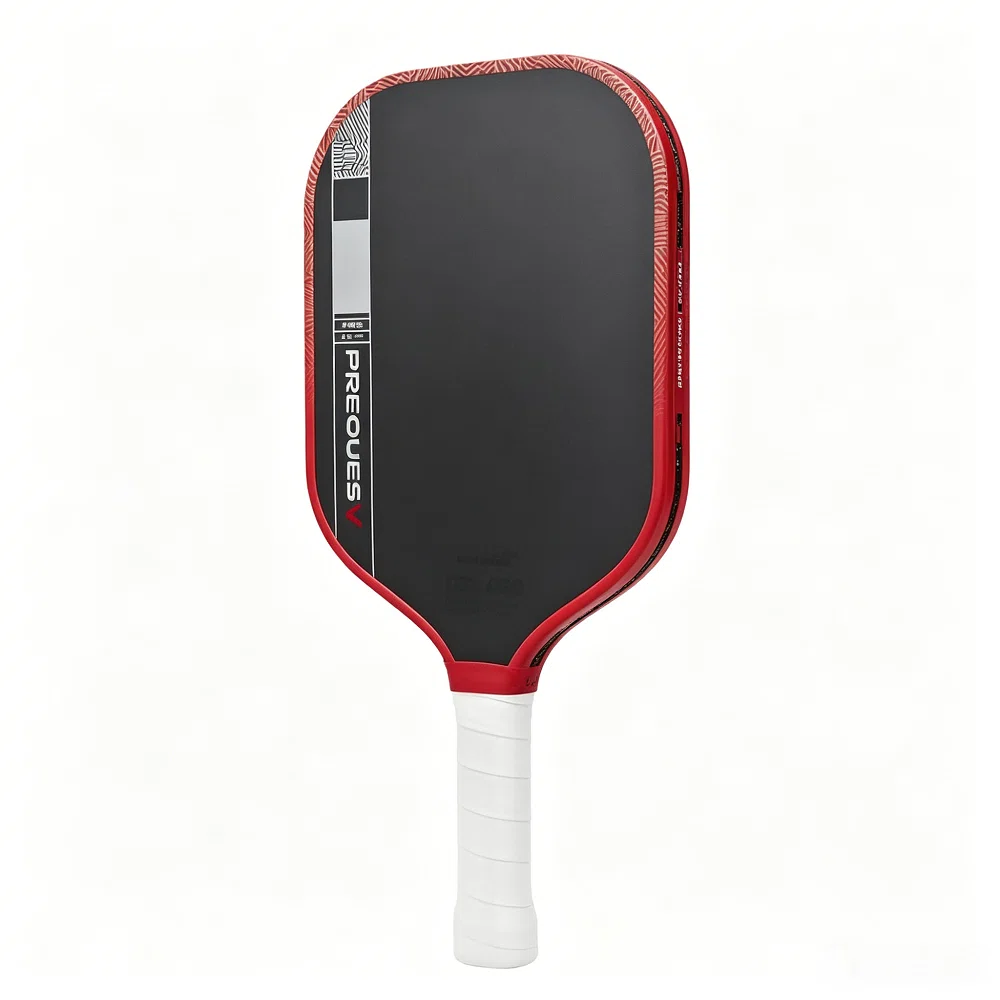
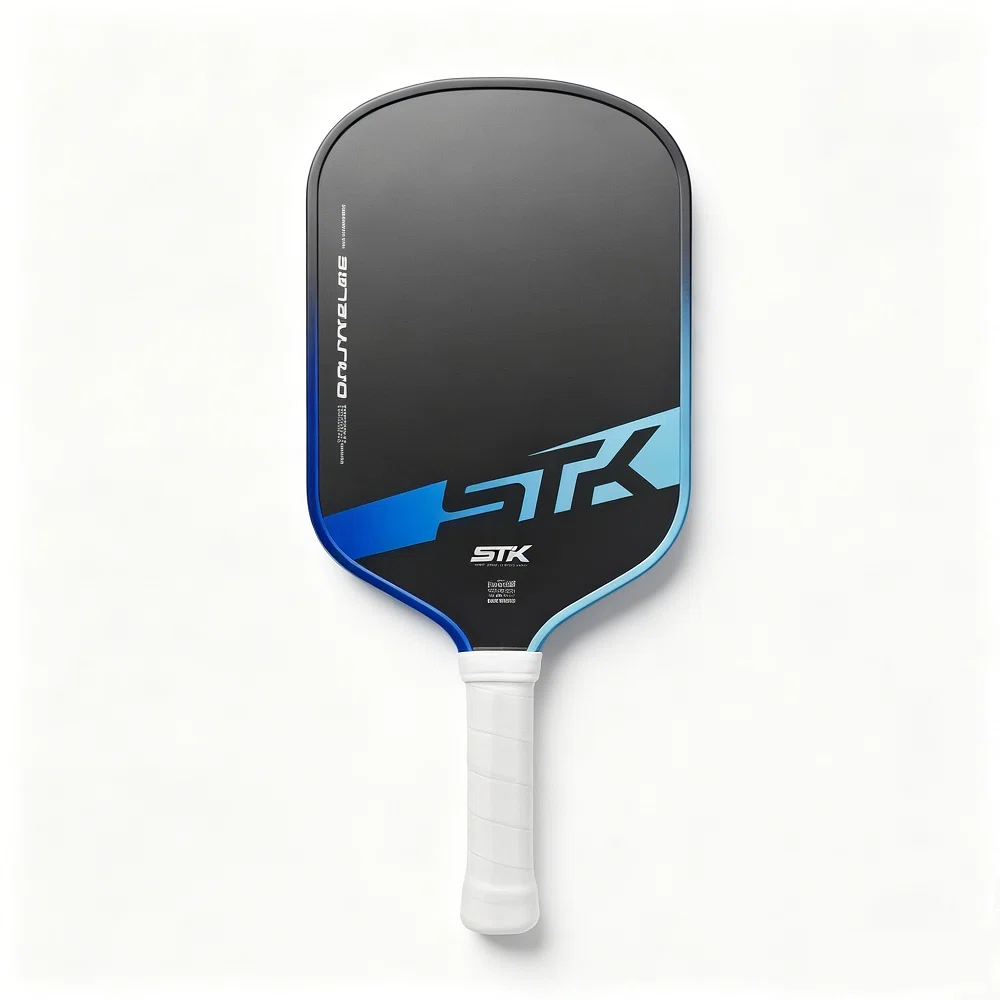
Cold‑press production assembles separate components at room temperature. Carbon fiber or fiberglass face sheets, polypropylene honeycomb core, adhesives and separate TPU edge guards are stacked together. High mechanical pressure bonds all layers without high‑temperature molding. After pressing, edge guards are glued or clipped onto the paddle perimeter as a separate part.
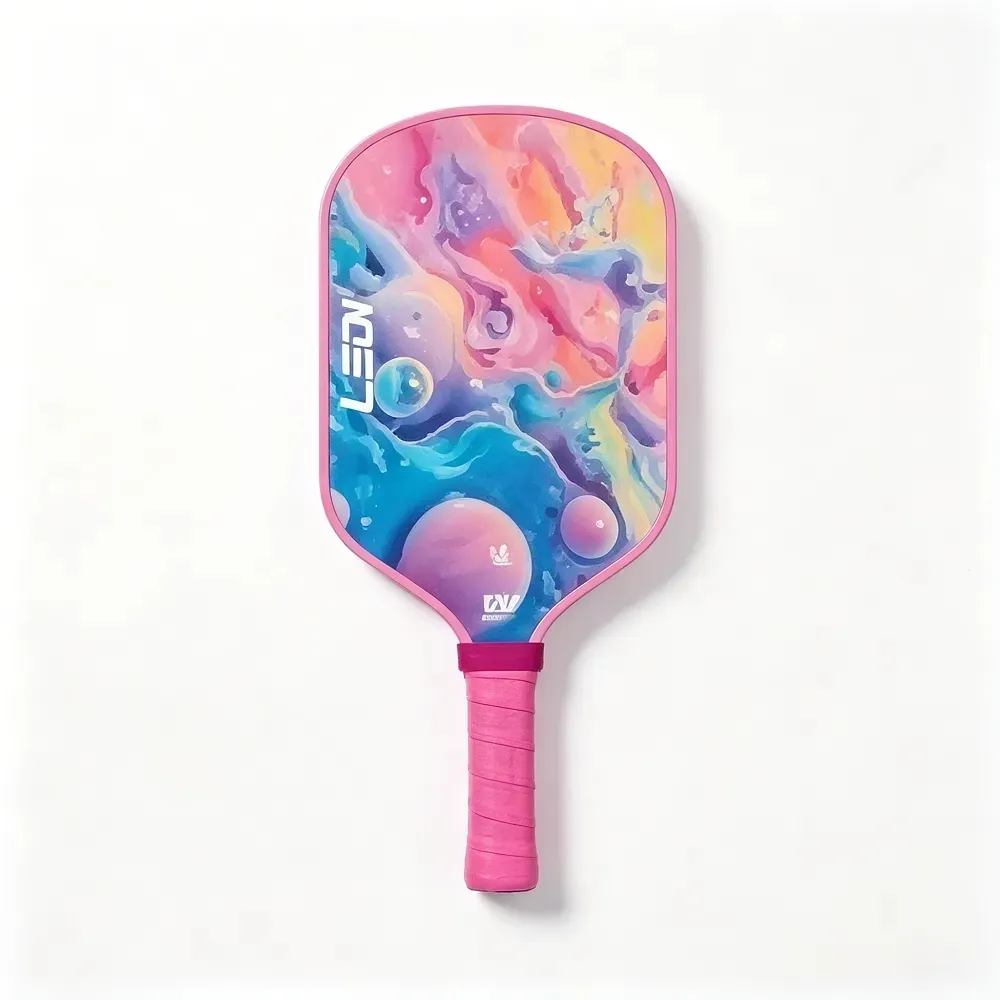
Factories can cut almost any paddle shape from flat composite sheets. Tooling investment for standard shapes is minimal. This gives cold‑press workflows high flexibility for custom outlines, complex UV‑printed artwork and fast production cycles. The adhesive layer creates soft vibration damping, giving cold‑press paddles the well‑known softer touch preferred by many recreational and control‑focused players.
What is thermoformed pickleball paddle construction
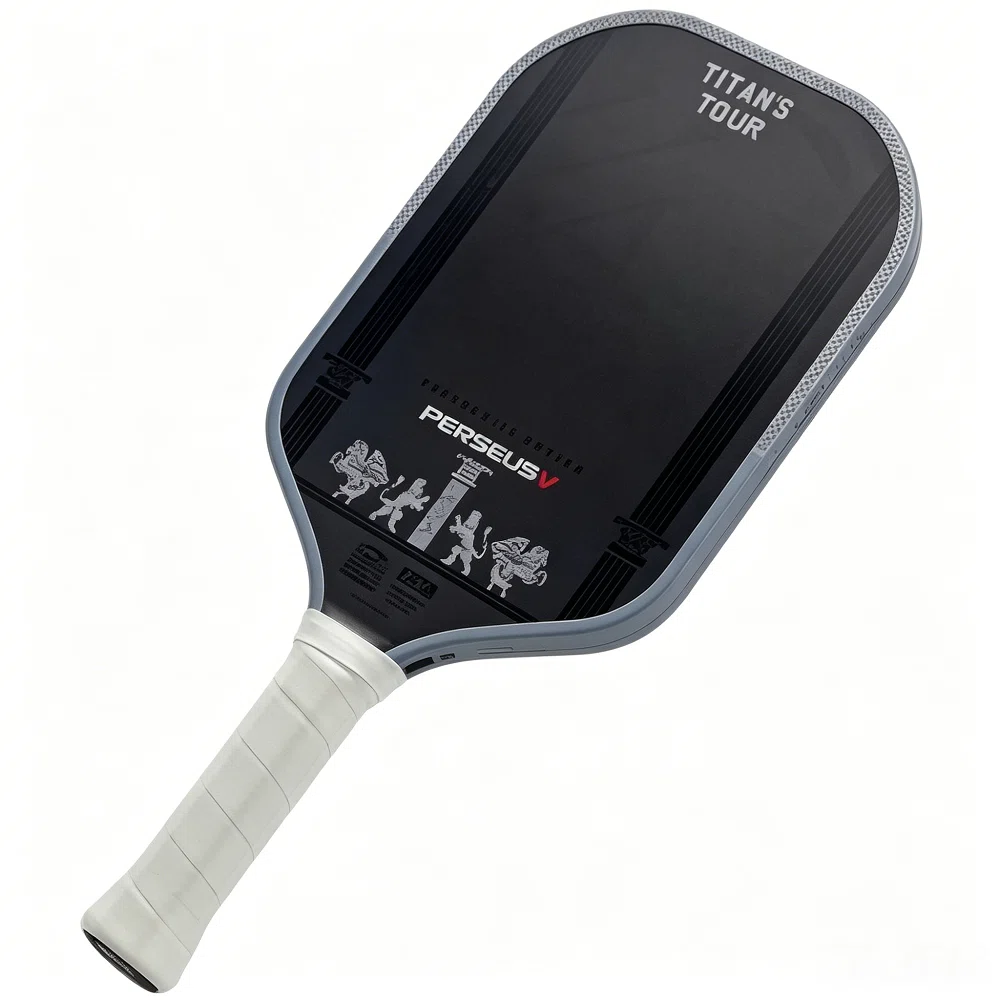
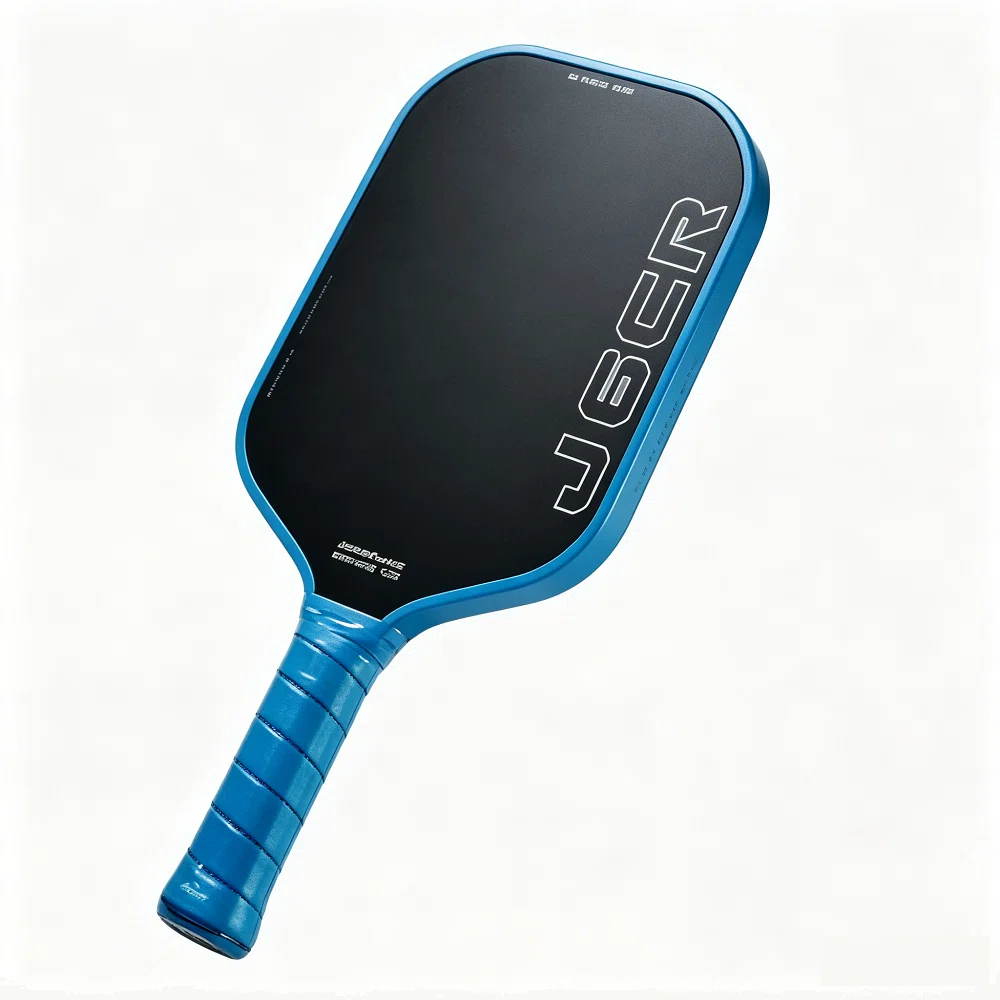
Thermoforming uses prepreg carbon fiber material. Under controlled high heat and high pressure, carbon fiber wraps fully around the paddle edge to form a seamless unibody shell. The honeycomb core sits fully enclosed inside this molded carbon shell. There is no separate glued‑on edge guard. Material fuses at molecular level instead of simple glue‑based bonding.
Thermoforming requires expensive custom metal molds for every paddle shape. Heating, holding and cooling cycles extend each unit’s production time. The big commercial benefit is integrated edge strength, larger sweet‑spot area and more consistent power transfer. Thermoformed paddles target intermediate to competitive‑level players willing to pay premium retail prices.
2. Realistic MOQ Comparison for Wholesale Buyers Sourcing from China
Minimum order quantity changes dramatically depending on whether you select existing blank molds or request fully custom shapes. Many B2B platforms advertise misleading low‑MOQ claims. Below are realistic ranges from real Chinese pickleball paddle factories for private‑label wholesale orders.
Cold‑press paddle MOQ ranges
- White‑label, existing standard shape + custom logo only: MOQ 50‑150 units. No new mold cost.
- Semi‑custom: modified weight range, custom grip selection, custom box packaging: MOQ 150‑300 units.
- Fully custom new paddle outline: MOQ 300‑500 units. One‑time cutting tool charge may apply.
Cold‑press works well for small resellers doing market testing. You can launch new product lines without committing to thousands of units. Most mid‑sized Chinese factories accept cold‑press small‑batch OEM orders without high entry barriers.
Thermoformed paddle MOQ ranges
- White‑label using existing factory thermoformed molds: MOQ 100‑200 units. No new mold fee.
- Semi‑custom: weight tuning, custom graphics, grip and packaging changes: MOQ 200‑350 units.
- Brand‑new custom thermoformed mold: MOQ 500‑1000 units, plus one‑time mold development cost. Mold fees commonly sit between 600‑800 US dollars per shape.
Important note: Some factories advertise very low thermoformed MOQ of 50 units. Those small runs usually amortize high mold cost into a much higher per‑unit price. For most small‑volume resellers, starting with existing thermoformed molds is far more cost‑effective than paying for brand‑new custom tooling.
3. Wholesale Cost Breakdown: FOB Price, Retail Margin and Hidden Expenses
Unit FOB price directly shapes your possible gross margin at retail. Remember that final landed cost also includes ocean or air freight, import duty, Amazon FBA preparation and local warehouse handling fees.
Cold‑press wholesale cost structure
Entry‑level fiberglass cold‑press paddles: FOB price 13‑18 USD per unit. Mid‑grade carbon‑fiber cold‑press paddles: FOB 18‑28 USD per unit. Premium cold‑press with high‑modulus carbon fiber can reach 28‑34 USD FOB.
Typical retail selling price range for cold‑press paddles sits between 34‑89 USD. Wholesale buyers can expect healthy gross margins between 40‑55 percent. Hidden costs to budget: custom‑logo setup charges, sample courier cost, and custom color‑box printing setup fees. Cold‑press supports high‑volume budget‑oriented catalog lines, club merchandise and promotional paddle orders.
Thermoformed wholesale cost structure
Standard‑grade existing‑mold thermoformed paddles: FOB price 32‑48 USD each. High‑grade prepreg carbon thermoformed models run 48‑65 USD FOB. If you pay for brand‑new custom molds, mold amortization will further increase effective unit cost on your first few batches.
Corresponding retail price range for thermoformed paddles is 89‑169 USD. Potential gross margins can reach 50‑60 percent, but your target customers must accept premium pricing. Thermoformed paddles are not suitable for low‑price promotional bundles. If your store mainly sells budget recreational goods, heavy investment in thermoformed inventory will slow inventory turnover and tie up working capital.
4. Defect Rate Analysis: Common Failures for Cold‑Press vs Thermoformed Paddles
Defect rate depends on factory quality management, material grade and production batch size. Even good factories produce cosmetic or structural defects. Wholesale buyers need to know typical failure modes for each technology, and set clear AQL standards before confirming purchase orders.
Cold‑press main defect profiles
Cosmetic defects: UV printing scratches, colour offset, small surface blemishes, slight weight inconsistency across one batch. For qualified mid‑tier factories, total cosmetic defect rate is normally 1‑3 percent. Low‑grade budget factories can reach 5‑8 percent cosmetic defects.
Structural defects: Edge‑guard peeling or detachment after impact, delamination between face sheet and honeycomb core, core crush around paddle edges. Structural defects for reliable manufacturers should stay under 1 percent. The separate glued edge guard is cold‑press’s biggest weakness. Rough shipping handling or heavy player impact often triggers edge‑guard related returns.
Many negative Amazon reviews for cold‑press paddles come from edge‑guard failures. When negotiating contracts, you should explicitly define edge‑guard detachment as a major defect eligible for replacement or price credit.
Thermoformed main defect profiles
Cosmetic defects: Minor surface marks from mold release agents, tiny flow lines on carbon‑fiber surface. Cosmetic defect rate for good thermoformed lines runs 0.5‑2 percent.
Structural defects: Incomplete edge fusion during molding, hidden internal gaps which create trampoline effect. Trampoline effect makes paddles violate USA Pickleball specifications and cannot be used for official tournaments. Complete shell cracking is rare but possible under heavy impact. Since there is no separate edge guard, edge‑peeling failures are almost eliminated, which is thermoformed’s key advantage.
Warning: Thermoformed hidden internal gaps are hard to detect from simple visual inspection. Reputable factories perform deflection testing to filter out non‑compliant units before shipment.
5. Lead Time, Sample Process and USAPA Certification Considerations
Production lead‑time comparison
Cold‑press mass production after sample approval: 15‑28 working days. Production cycles are shorter because no long heating‑cooling mold cycles are needed. During peak buying seasons August‑December, lead time may extend to 30‑35 working days.
Thermoformed mass production using existing molds: 25‑38 working days. If you order brand‑new custom thermoformed molds, add another 14‑21 working days for mold manufacturing and debugging before mass production can start.
Sample workflow notes for wholesale buyers
Always order pre‑production samples before large‑batch confirmation. For cold‑press, samples normally take 7‑12 working days. For thermoformed samples on existing molds, expect 10‑16 working days sample lead‑time. Physical samples let you verify weight, real‑world feel, printing quality and edge robustness.
USAPA approval key points
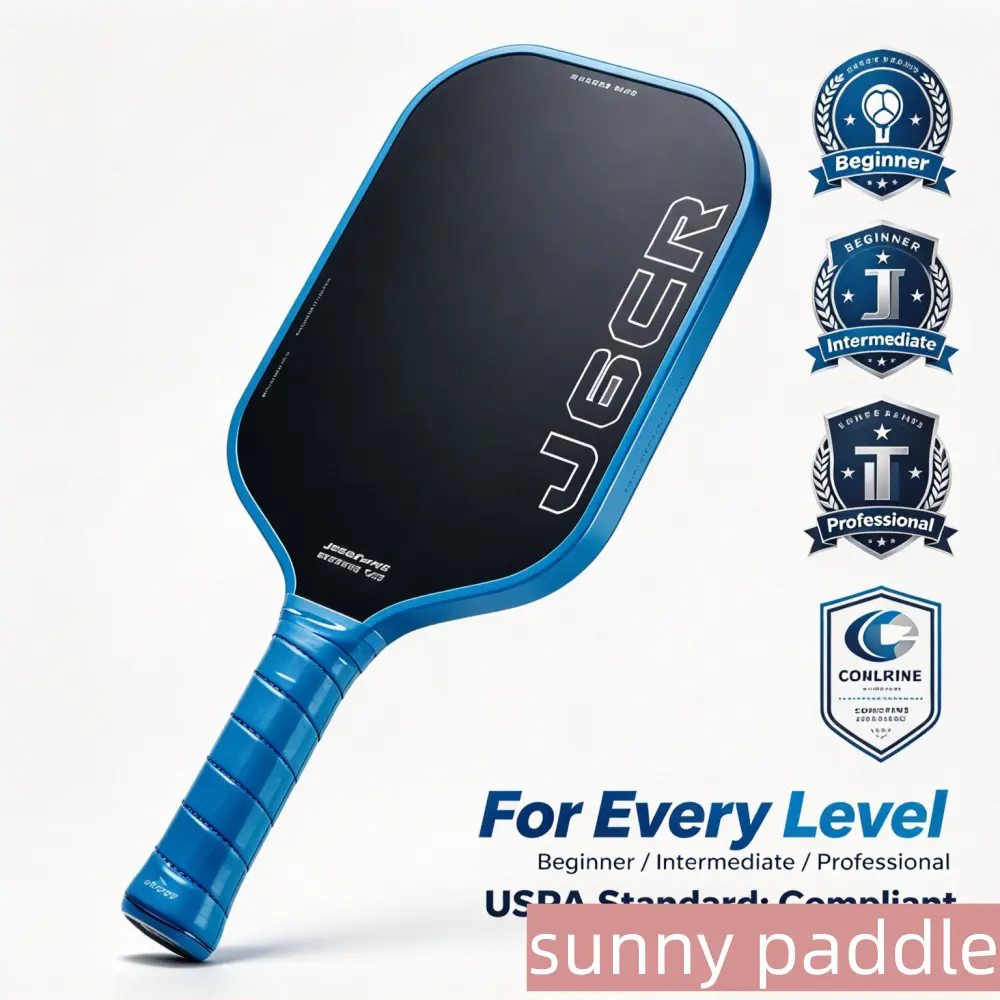
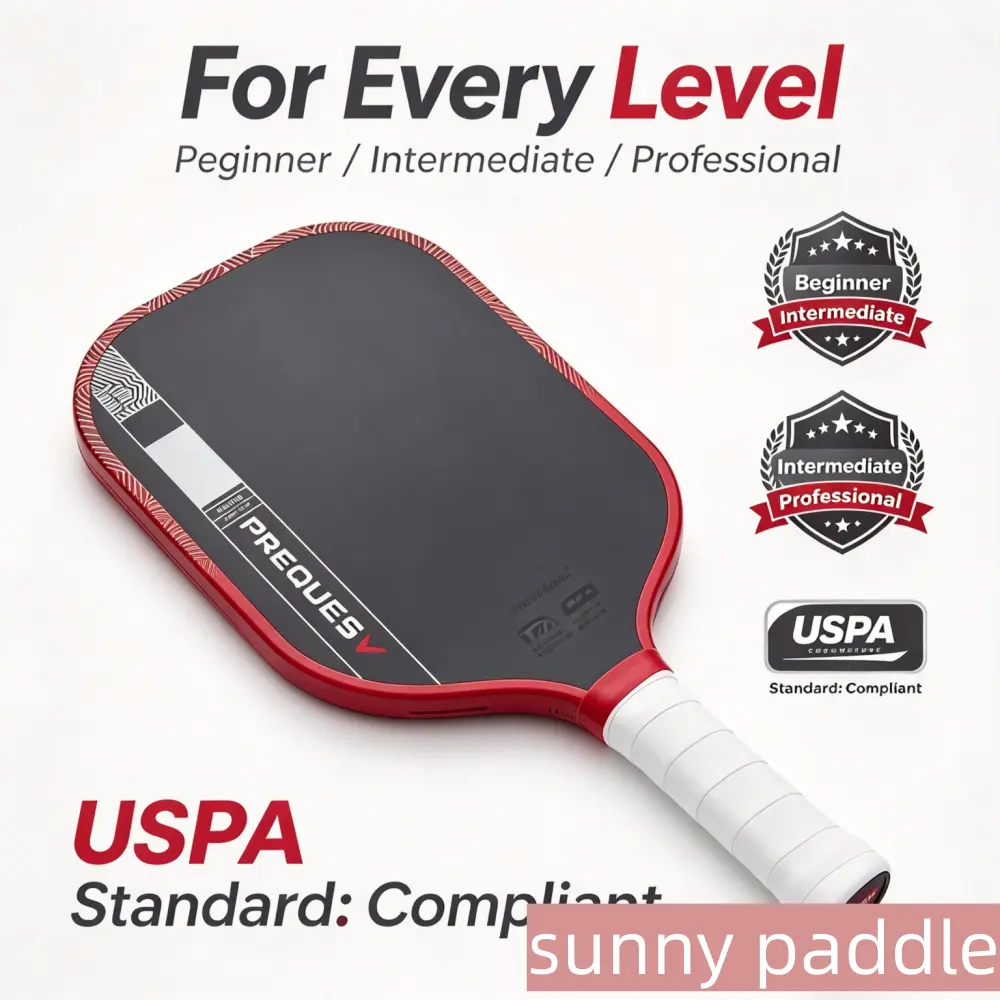
For both cold‑press and thermoformed paddles: certification belongs to the base paddle model, not your brand name. If you private‑label an already‑approved blank model, you inherit its approval status, provided you do not modify paddle thickness, surface material or core structure. Always ask factories for the exact test report matching your selected blank model, not generic documents from unrelated products.
6. Which Technology Fits Your Wholesale Business?
Choose cold‑press paddles if these match your business profile
- Your main customers are casual, beginner‑level recreational players
- You need lower FOB unit price to compete in budget and mid‑tier retail segments
- You run small‑batch market testing and want flexible MOQ without expensive mold investment
- You sell club merchandise, promotional bundles or large‑volume program orders
- Your brand positioning emphasizes soft touch and ball control over maximum spin performance
Choose thermoformed paddles if these match your business profile
- You target intermediate, competitive and tournament‑oriented players
- Your brand builds premium positioning and supports higher retail price points
- You want fewer product returns caused by edge‑guard damage and edge‑related failures
- You can absorb higher initial inventory cost and accept longer production lead‑times
- You plan to build flagship SKUs to lift your entire catalog brand image
Many successful wholesale brands run mixed catalogs. They use cold‑press for entry‑level SKUs and thermoformed for premium flagship series. This strategy covers multiple customer segments and balances profit margin and inventory risk.
7. Practical Negotiation Checklist When Ordering From Chinese Factories
- ✅ Confirm which manufacturing technology you are buying, written clearly within quotation documents
- ✅ Clarify exact MOQ: existing molds versus fully custom new shape, and any one‑time mold or tooling fees
- ✅ Agree defect classification: separate cosmetic minor defects and performance‑affecting major structural defects
- ✅ Define defect handling policy: replacement, partial credit or return terms before deposit payment
- ✅ Request pre‑production physical sample approval before mass‑production starts
- ✅ Obtain corresponding USAPA test report matching your exact blank paddle model
- ✅ Confirm production lead‑time and note peak‑season schedule risk
- ✅ Clarify weight tolerance range for each batch of paddles
8. Common Mistakes Wholesale Buyers Should Avoid
Mistake 1: Confusing thermoformed marketing descriptions with real unibody construction
Some suppliers label cold‑press products as “hot‑formed” or “thermo‑tech” for marketing purposes, without true unibody thermoformed molding. Always ask factories to describe construction details and show production workshop photos, do not trust product‑page buzzwords alone.
Mistake 2: Selecting thermoformed purely for marketing hype without market fit
Thermoformed sounds high‑end, but if most of your customers only shop for recreational budget‑priced paddles, higher wholesale cost will hurt your turnover and profit. Your retail market demand, not technical fashion, should decide your manufacturing choice.
Mistake 3: Ignoring edge‑guard failure risk for cold‑press product lines
Set customer expectation in your product description: cold‑press paddles require reasonable usage. Avoid over‑promising unbreakable edge performance. Prepare for small percentage of return cases caused by edge‑guard damage.
Mistake 4: Skipping physical samples and trusting digital renderings only
Digital mock‑ups show graphics, but cannot show real‑world weight, edge robustness, surface hardness or printing durability. Skipping samples creates expensive batch‑wide quality surprises.
Conclusion
Cold‑press and thermoformed each occupy important positions in today’s global pickleball wholesale market. Cold‑press brings low entry cost, flexible MOQ and fast production cycles. It is the safe starting point for new resellers building recreational‑oriented product lines. Thermoformed delivers superior edge durability, larger sweet spot and premium player experience, at higher wholesale price, higher potential MOQ and longer manufacturing lead‑time.
There is no universal “better” technology for every buyer. Your target retail customer, brand positioning, available capital for inventory and return‑risk tolerance should guide your sourcing decision. Many successful brands operate mixed catalogs combining both processes. Always insist on pre‑production samples, clarify defect‑handling terms in writing, and verify certification documents matching your exact paddle model before placing large‑volume orders. With clear expectations, you can select the right manufacturing path for your wholesale pickleball paddle business.