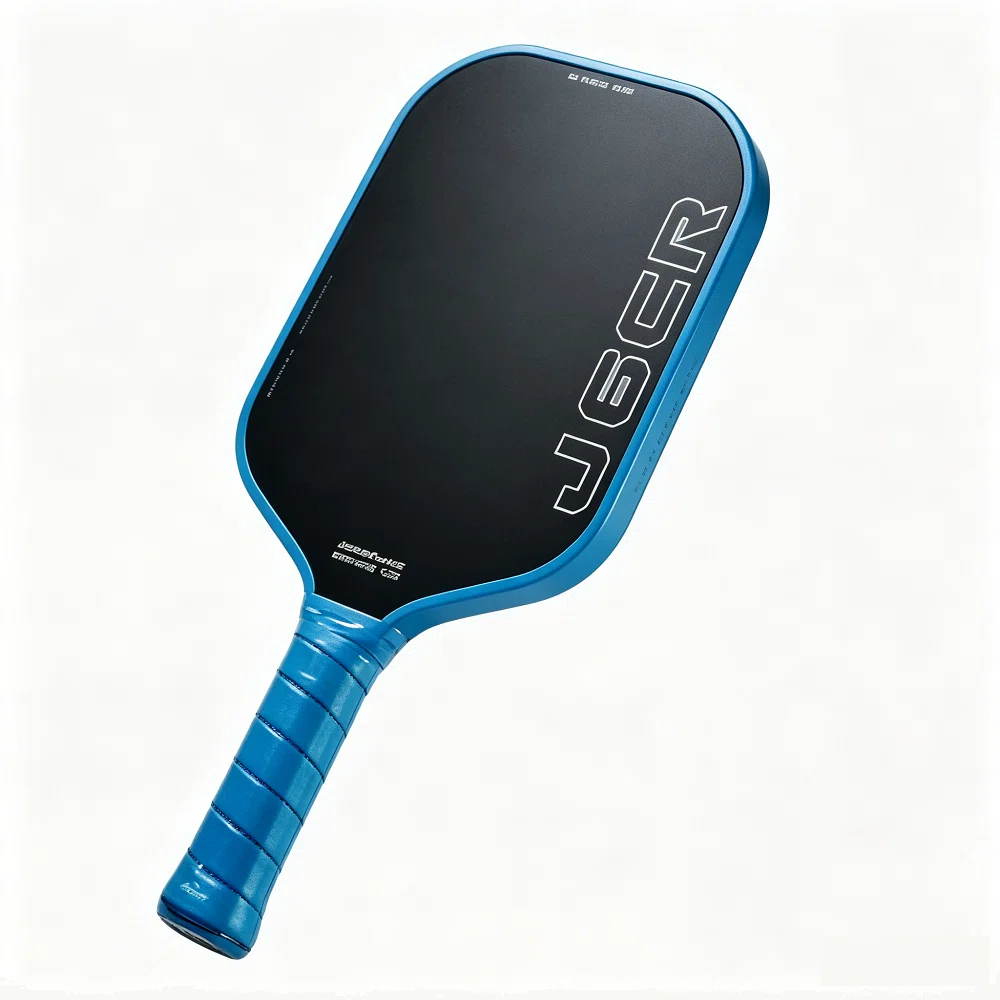
Private Label Pickleball Paddles from China: A Complete Guide for Small‑Volume Resellers
Introduction
Pickleball keeps exploding across North America, Europe and Oceania. More small‑volume resellers are stepping into this profitable market. Unlike large established brands, most small resellers do not want to place huge bulk orders at the very beginning. They want flexible private‑label solutions: custom logos, selected surface materials, proper certifications, and acceptable minimum order quantities.
Sourcing private label pickleball paddles from China has become the most popular option for resellers of all sizes. Chinese pickleball paddle factories have mature supply chains, flexible OEM and ODM workflows, and competitive unit prices. However, many first‑time buyers run into avoidable troubles: unqualified paddles that fail official tests, blurred logo printing, long unexpected delays, or receiving goods with high defect rates.
This complete guide is built specifically for small‑volume resellers. We will cover everything you need to know before sending your first sample request. You will learn about MOQ expectations, USAPA certification facts, customization options, quality inspection steps, shipping preparation for Amazon FBA, and typical mistakes new buyers should stay away from.
1. Who Is This Private‑Label Solution For?
Chinese factory private‑label service fits several groups of small‑volume resellers:
- New Amazon FBA sellers launching their first pickleball paddle product line
- Independent‑store owners building their own sport‑goods brand
- Local sport shop owners and small regional wholesalers
- Sport club operators planning branded merchandise for club members
- Content creators and influencers launching their own branded paddle collections
If you are not ready to order thousands of units for your first run, you need to clearly communicate your small‑batch requirement to your Chinese supplier in early communication. Not every factory accepts low‑volume private‑label orders. Some large manufacturers only serve big‑brand clients with high MOQ. Finding a factory that specializes in small‑batch OEM will save you lots of back‑and‑forth emails.
2. Realistic MOQ Expectations for Private‑Label Pickleball Paddles in China
MOQ is always the top concern for small resellers. Many suppliers advertise "very low MOQ" on B2B platforms, but real conditions vary widely depending on your customization scope.
White‑label (ready‑made blank paddles + your logo only)
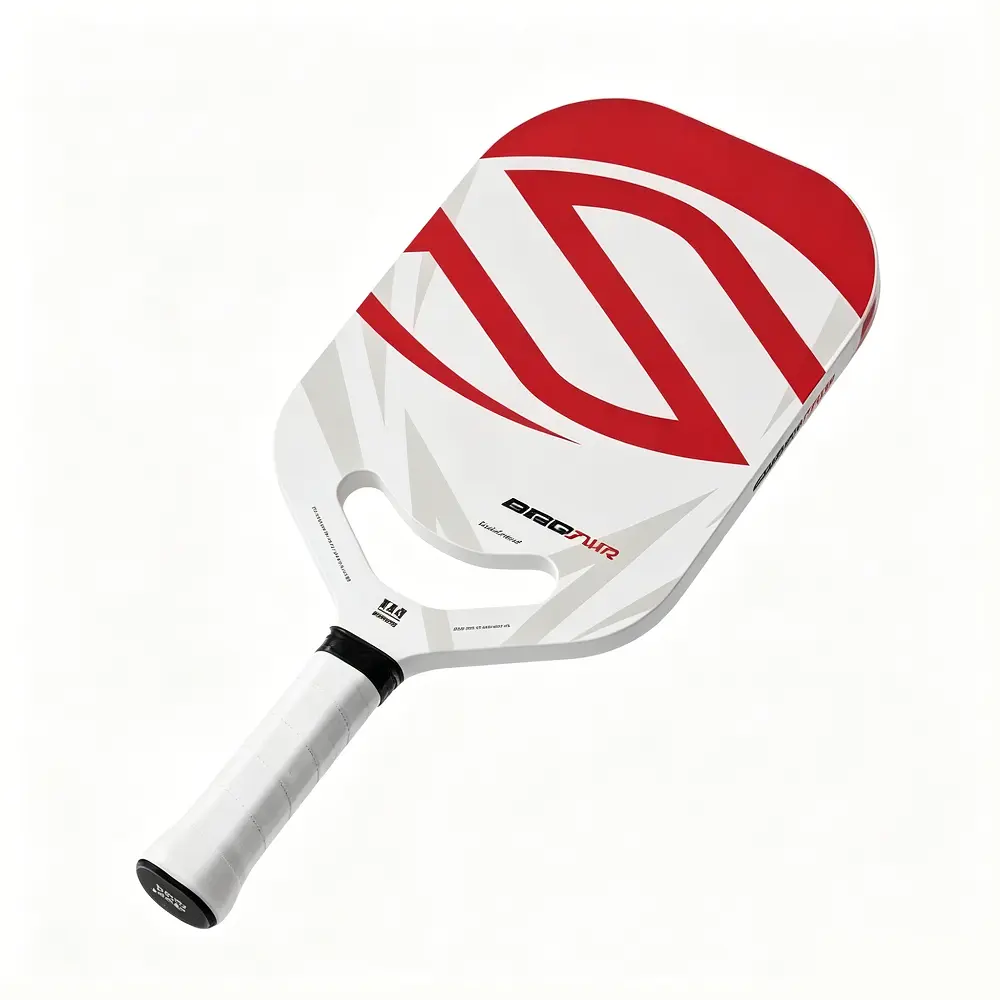
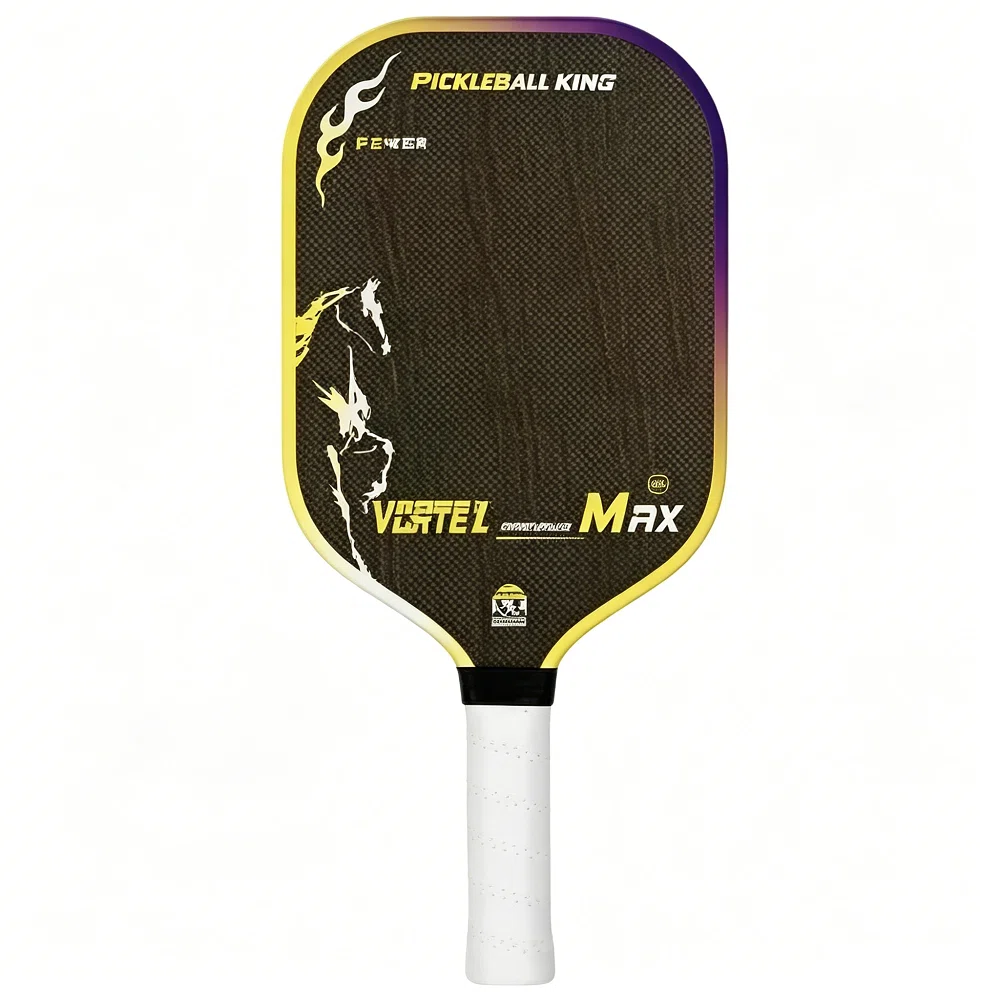
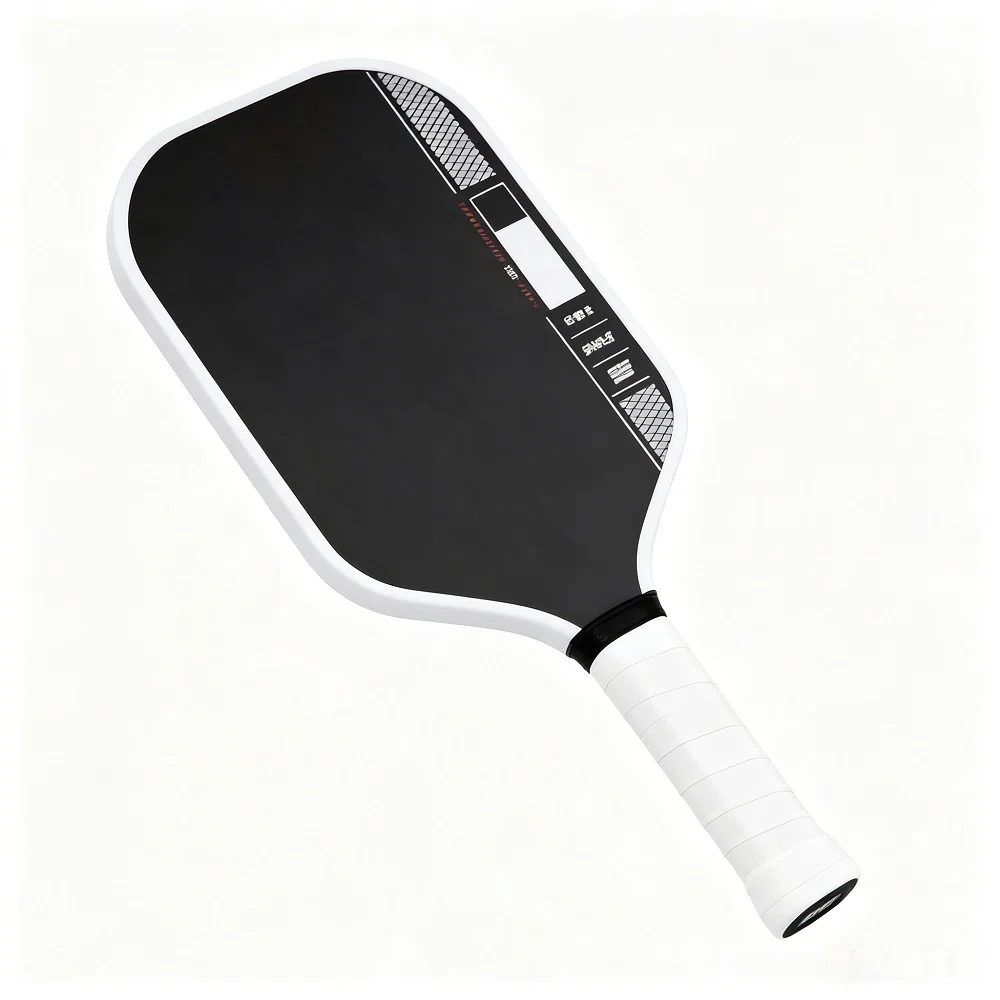
For existing blank paddle models with only custom‑printed logo, many Chinese factories can support MOQ between 50‑200 units. This is the most popular starting point for new resellers. You select existing paddle moulds, core material, surface texture from the factory’s product list, and only add your brand logo. Tooling cost is usually zero or very low.
Fully custom private‑label (new shape, custom thickness, custom weight range)
If you want totally new paddle shape, modified edge guard, special thickness or unique weight specification, you will need new moulds. In this situation, MOQ will jump to 500‑1000 pieces or higher, plus one‑time mould development fees. For most small‑volume resellers, it is not wise to start with full custom moulds. White‑label based private‑label is far more reasonable for your first launch.
Tip: Do not trust suppliers promising 10 or 20 units private‑label OEM at low unit cost. Printing setup labour cannot be covered by tiny orders. Those offers usually mean drop‑shipping resellers, not real factories.
3. USAPA‑Approved Paddles: Critical Certification Knowledge for Resellers
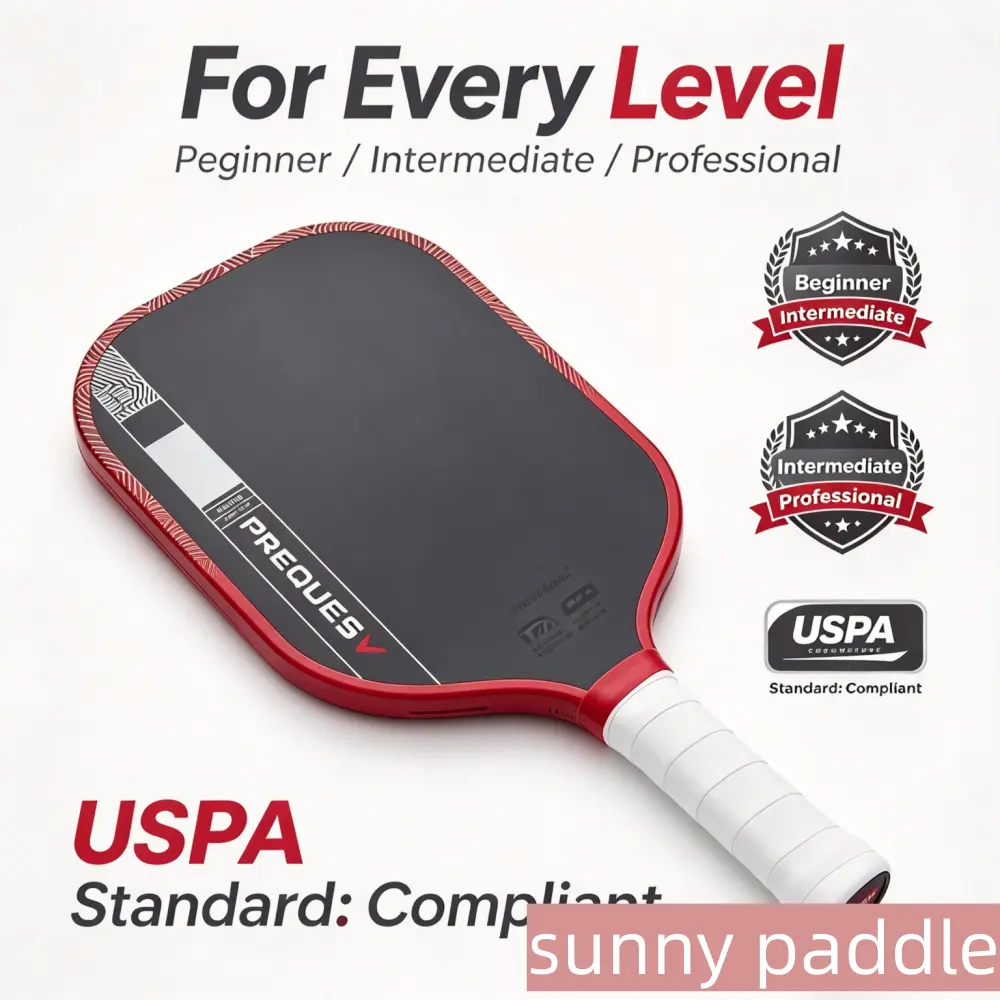
If you plan to sell paddles in the United States market, USAPA approval is non‑negotiable. Many new resellers hold misunderstandings about this certification.
First: certification belongs to the paddle model, not your brand. When you do private‑label printing on an already USAPA‑approved blank paddle, your branded finished product can inherit that approval status. You do not need to pay for brand‑new testing again, as long as you do not change paddle structure, surface material and thickness.
Risks you must watch: Some suppliers claim "USAPA available", but their blank model has never passed real testing. Once unapproved paddles go to Amazon listings, your product listing can be taken down directly. Always ask factories to provide official test report documents for the exact blank model you select, not general‑purpose sample reports for other paddle versions.
For markets outside North America, there is no universal mandatory sport certification. Still, ask suppliers for lab reports covering impact resistance, edge durability, and toxic‑substance testing, especially for paddles targeting teenagers and kids.
4. Main Customization Options for Your Private‑Label Paddles
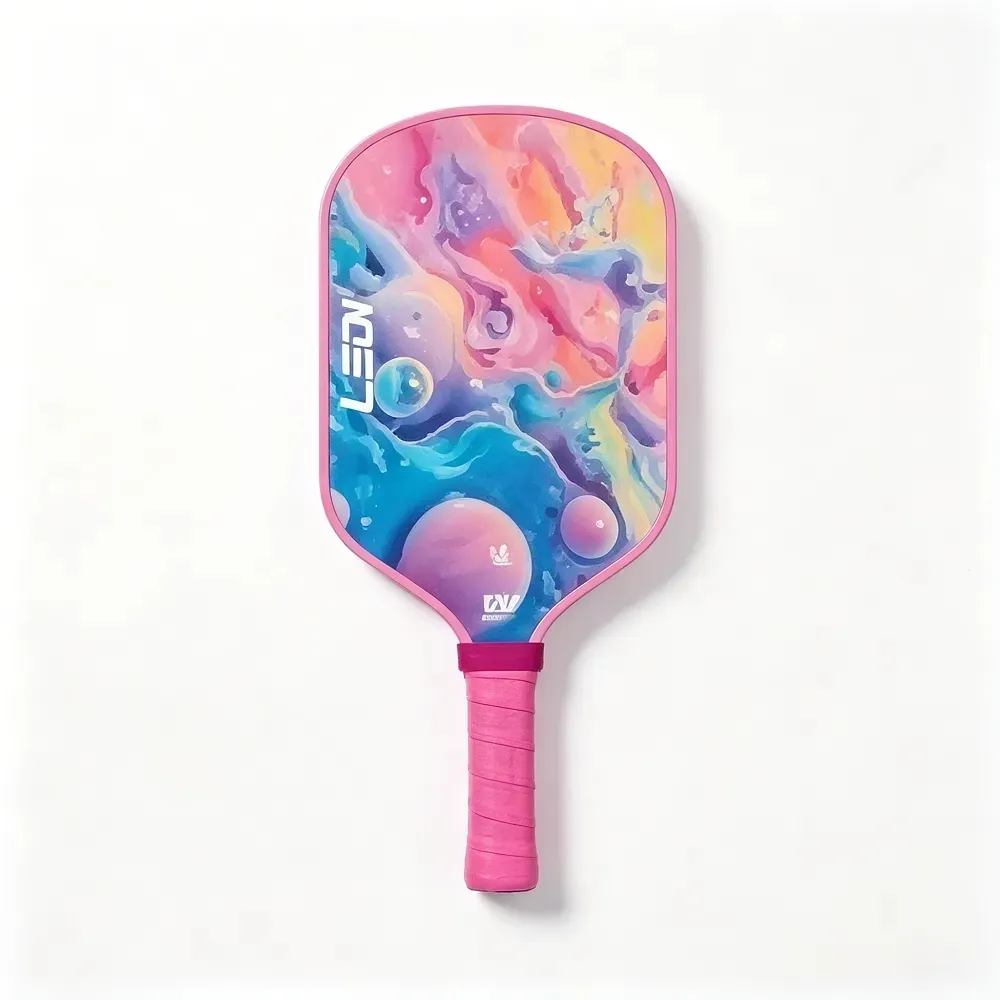
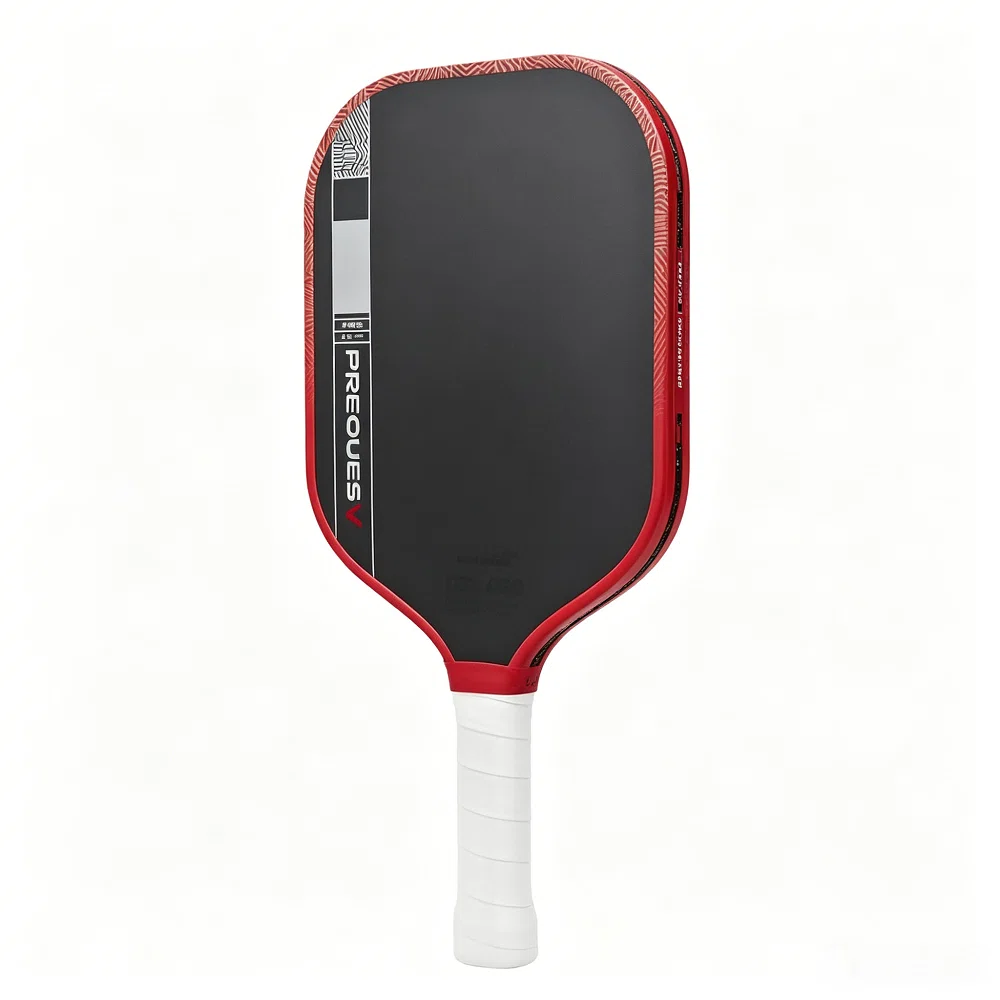
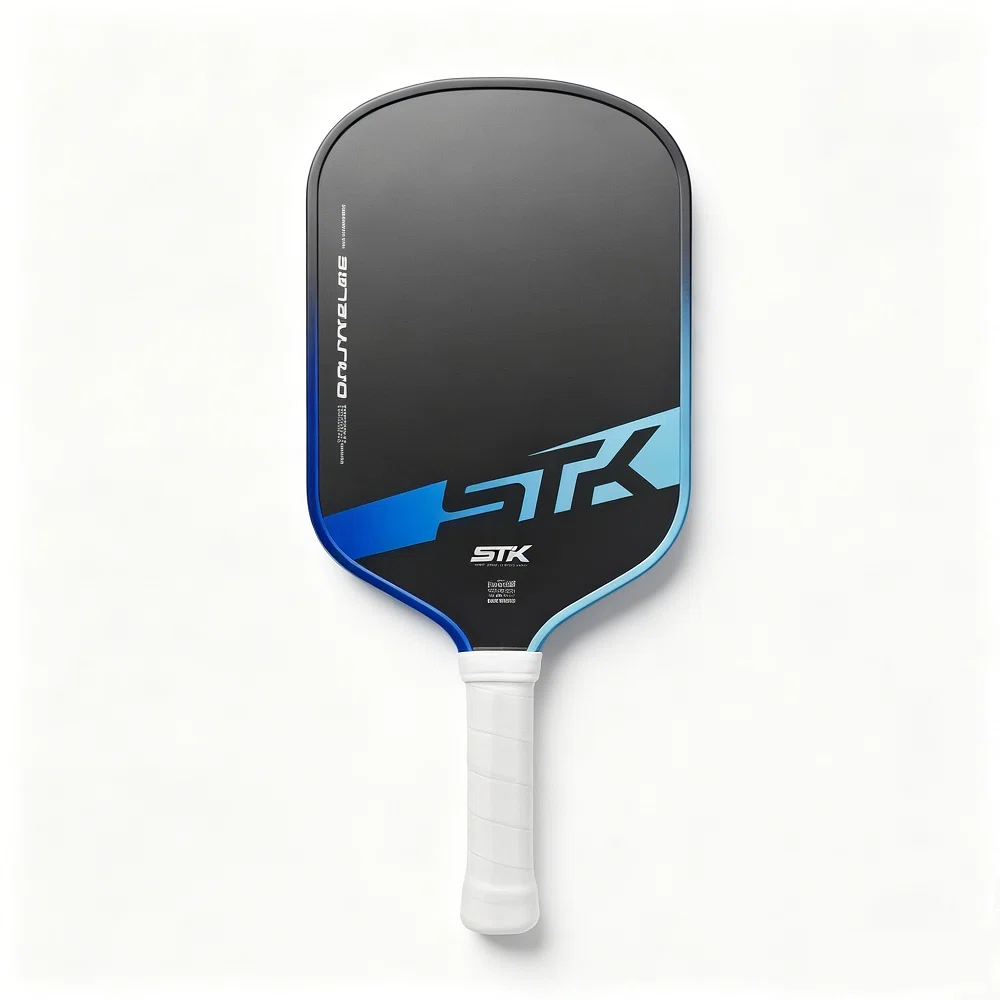
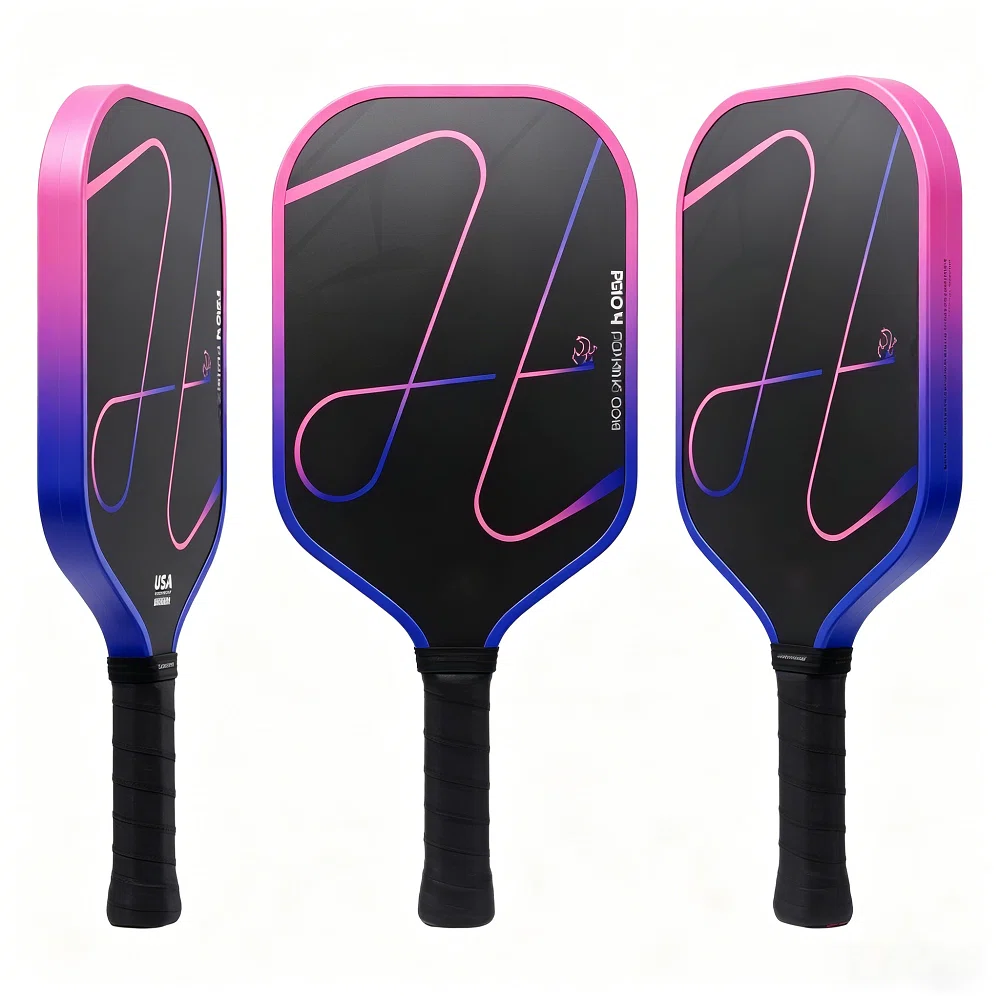
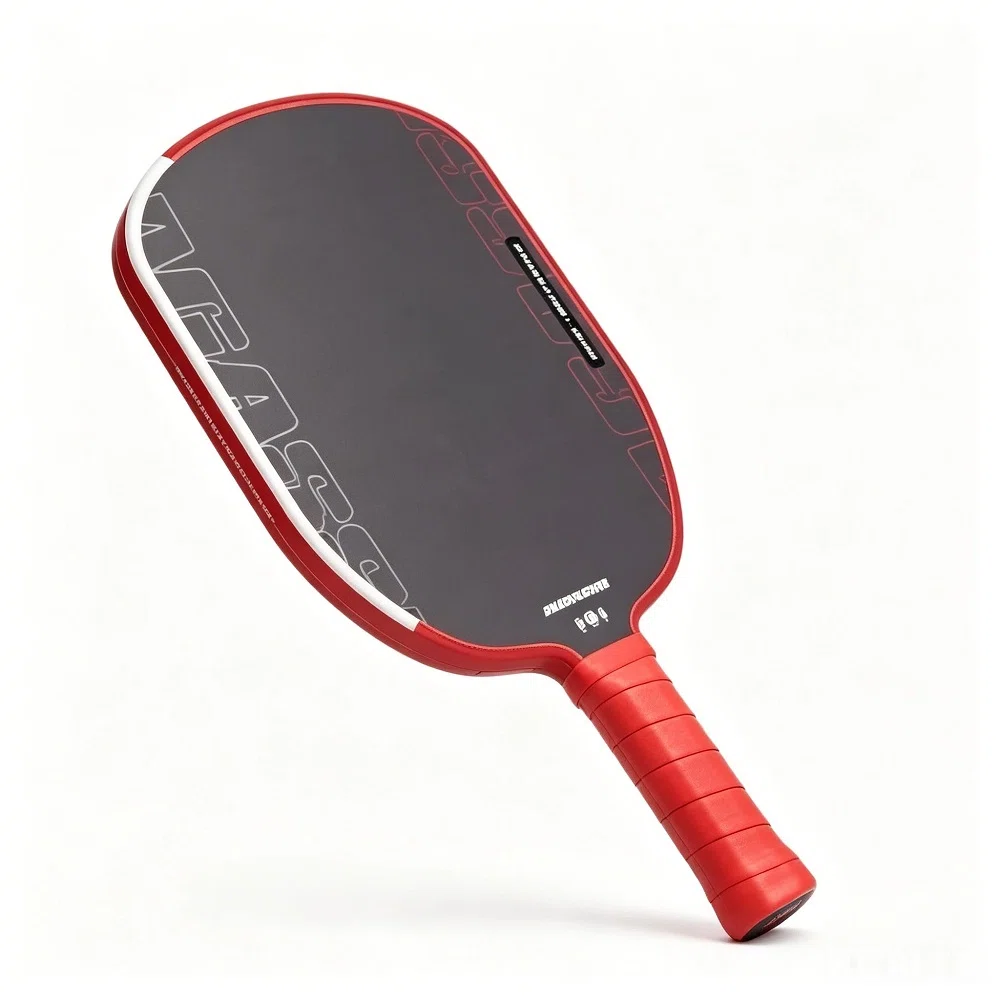
Logo and surface graphic printing
Two mainstream printing techniques are widely used by Chinese paddle factories: UV digital printing and heat‑transfer printing.
UV printing works great for complex multi‑color patterns, gradient artwork and detailed brand graphics. The disadvantage: improper settings may lead to easy scratching after long‑time ball hitting. Heat‑transfer printing delivers stronger scratch resistance, but complex multi‑gradient patterns increase production difficulty.
Send vector‑format logo files (AI, EPS, PDF) to your supplier. Pixel‑based low‑resolution JPG images often result in fuzzy, jagged printed logos. Always request pre‑production sample to check printing quality before mass production.
Paddle core and surface material selection
Polypropylene honeycomb core remains the dominant choice for most commercial‑grade paddles. It balances weight, shock absorption and cost. Nomex‑based cores deliver stronger ball feedback but cost higher, and are more sensitive to high‑temperature storage environments.
Surface layers include carbon‑fiber surface, glass‑fiber surface, and mixed carbon‑glass fiber surface. Each choice changes paddle weight, power level and price. Tell your supplier your target end‑user group: recreational casual players, intermediate players, or competitive advanced players, so they can recommend suitable material combinations.
Grip, edge guard and packaging customization
You can customize grip tape colour, texture, and print small brand marks on grips. Edge guards protect paddle edges during transportation and daily usage. For packaging, custom colour boxes with your brand artwork are common private‑label upgrades. For Amazon FBA shipments, confirm that packaging meets FBA size‑and‑weight requirements.
5. Sample Order Process: Never Skip Pre‑Production Samples
Small‑volume resellers often want to skip samples to save money and speed up timelines. This is one of the most costly mistakes you can make.
Sample workflow suggestion:
- Confirm blank paddle model, material, weight range with your factory
- Submit your vector logo file, confirm printing technique
- Receive digital mock‑up for visual check before physical sample production
- Receive physical pre‑production samples; test weight, surface hardness, printing durability, overall feel
- Confirm sample approval, then release mass‑production order
Sample cost usually includes product cost plus setup fee and international courier freight. Sample lead time commonly runs 7‑14 working days. Courier delivery to US or European destinations takes another 5‑10 days.
6. Lead Time Expectations for Small‑Batch Private‑Label Orders
After sample confirmation, mass‑production lead time for small‑batch orders (50‑300 units) is generally 15‑30 working days. Production schedules get tighter during peak seasons: Q3 and Q4 every year, before spring sport‑goods buying season.
Resellers need to reserve extra time for quality inspection and ocean or air shipping. If you send goods to Amazon FBA warehouse, further account for Amazon’s receiving‑processing delay. Many new sellers underestimate total timeline and end‑up missing sales windows.
7. Quality Control Points for Small Resellers
You do not need expensive third‑party inspection for every small batch, but define clear acceptance criteria with your supplier beforehand. Focus on these key check‑items:
- Actual paddle weight falls within your agreed weight tolerance range
- No obvious scratch, crack or deformation on paddle surface and edge
- Logo and graphic printing without blur, offset, colour deviation
- Grip installed firmly, no loose parts
- Box packaging intact for transportation
Negotiate defect handling policy in advance. Agree how the factory will handle defective units in mass order: re‑produce replacements, offer price deduction, or other solutions. Clarify this point before placing order, do not discuss it after goods production finishes.
8. Shipping and Amazon FBA Preparation
Two major shipping options for small‑batch resellers: sea freight and air freight.
Sea freight has low unit freight cost but long transit time. Air freight delivers goods much faster at higher freight rates. Many small resellers pick air freight for initial small batches to shorten time‑to‑market.
If you ship directly to Amazon FBA warehouses, remind your Chinese supplier to prepare FBA‑compliant product labels, box labels. Double‑check commodity HS‑code for pickleball paddles, customs declaration documents, and import tariff rules for your target selling country. Some suppliers offer one‑stop DDP shipping solution, covering customs duty and delivery to your warehouse or Amazon warehouse.
9. Common Pitfalls Small‑Volume Resellers Need To Avoid
Pitfall 1: Confusing trading company with real factory
Many B2B platform suppliers are trading middlemen, not direct manufacturers. They outsource paddle production to real factories. Working with middlemen is not totally bad, but you will face higher unit price, slower response when quality problems occur. Try to verify factory background before cooperation.
Pitfall 2: Blindly chasing lowest unit price
Extremely low‑cost paddles often use low‑grade honeycomb core material. After several months storage in high‑temperature container during ocean shipping, paddle core may bubble or deform. Low‑cost printing will wear off quickly. For resellers, bad‑quality goods bring negative reviews and Amazon listing risks, which cost far more than money saved on unit price.
Pitfall 3: Changing requirements after sample confirmation
Modifying material, graphics or weight after sample locked will trigger new setup cost and reset production lead‑time. Try your best to finalize all specifications during sample‑approval phase.
Pitfall 4: Ignoring peak‑season schedule pressure
Pickleball market keeps growing. Every year from August to December, factories receive large volumes of orders. If you place orders without advance planning, you may face extended production delays.
10. Final Checklist Before Placing Your Private‑Label Order
- ✅ Clarified MOQ, unit price, sample cost and setup fees in written quotation
- ✅ Confirmed blank paddle model and obtained corresponding test / USAPA report
- ✅ Submitted high‑resolution vector logo artwork
- ✅ Reviewed digital mock‑up and approved physical pre‑production sample
- ✅ Confirmed mass‑production lead‑time, peak‑season risk communicated
- ✅ Defined defect‑handling agreement with supplier
- ✅ Decided shipping method, destination, customs and import‑duty responsibility
Conclusion
Sourcing private‑label pickleball paddles from China opens huge opportunities for small‑volume resellers. You do not need millions‑level purchasing capacity to build your own paddle brand. The key is realistic expectation on MOQ, respecting sample workflow, paying close attention to certification and material selection, and planning your order timeline reasonably.
Work with reliable factories who understand small‑batch OEM requirements. Avoid chasing unrealistically low prices. Test samples carefully. Once you get your first qualified batch on‑sale, you can gather market feedback and gradually expand your product portfolio. The fast‑growing pickleball market still leaves plenty of room for new small‑brand players.