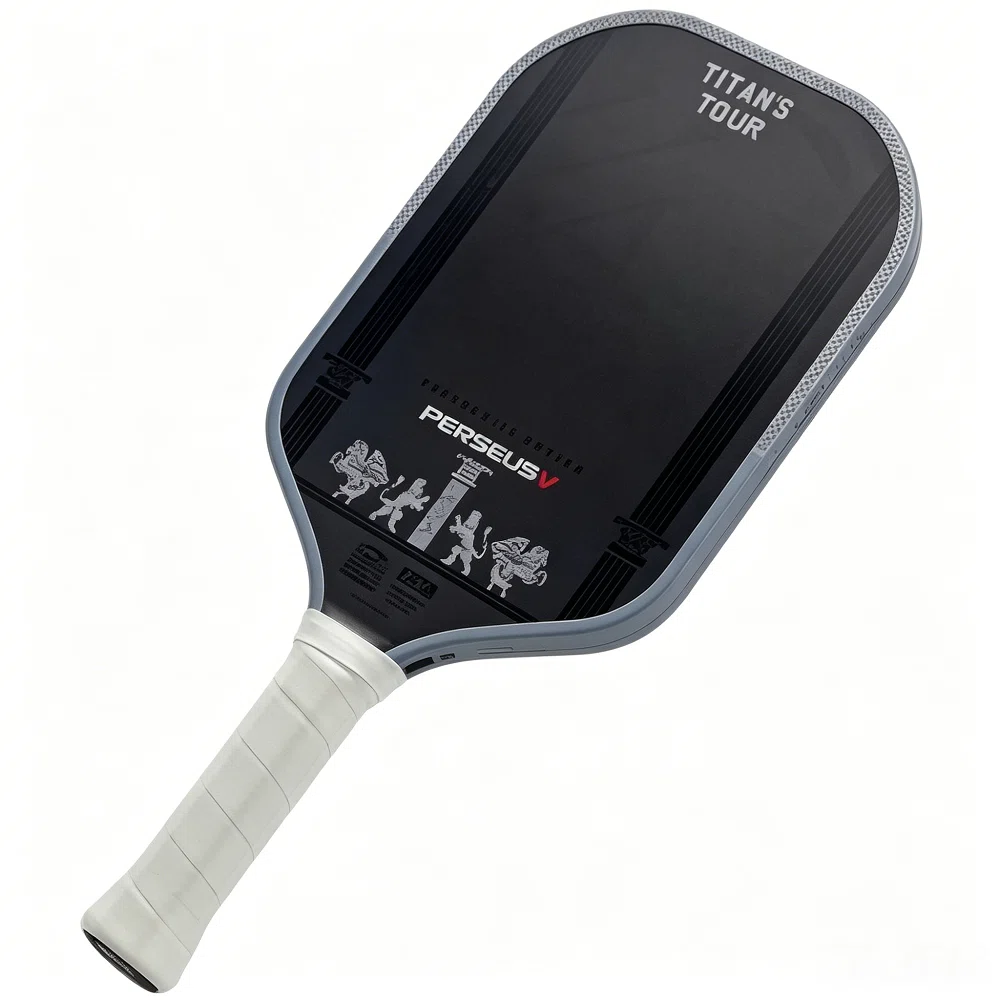
Pickleball Paddle Custom Printing: Common Problems & Solutions for Private Label Buyers
Source:sunnypaddle.com Release on: 2026-09-12-11-55-20
Pickleball Paddle Custom Printing: Common Problems & Solutions for Private Label Buyers
Introduction
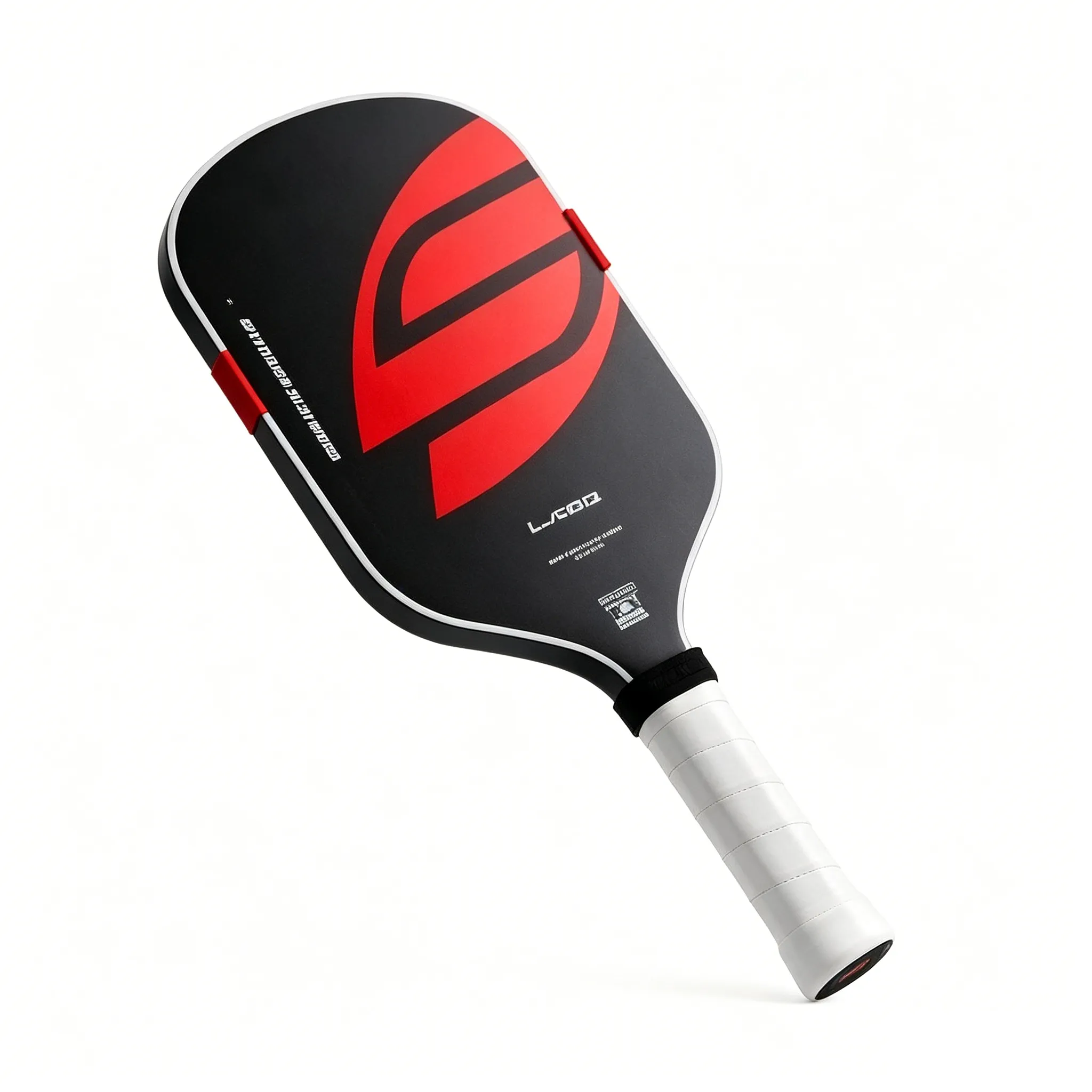
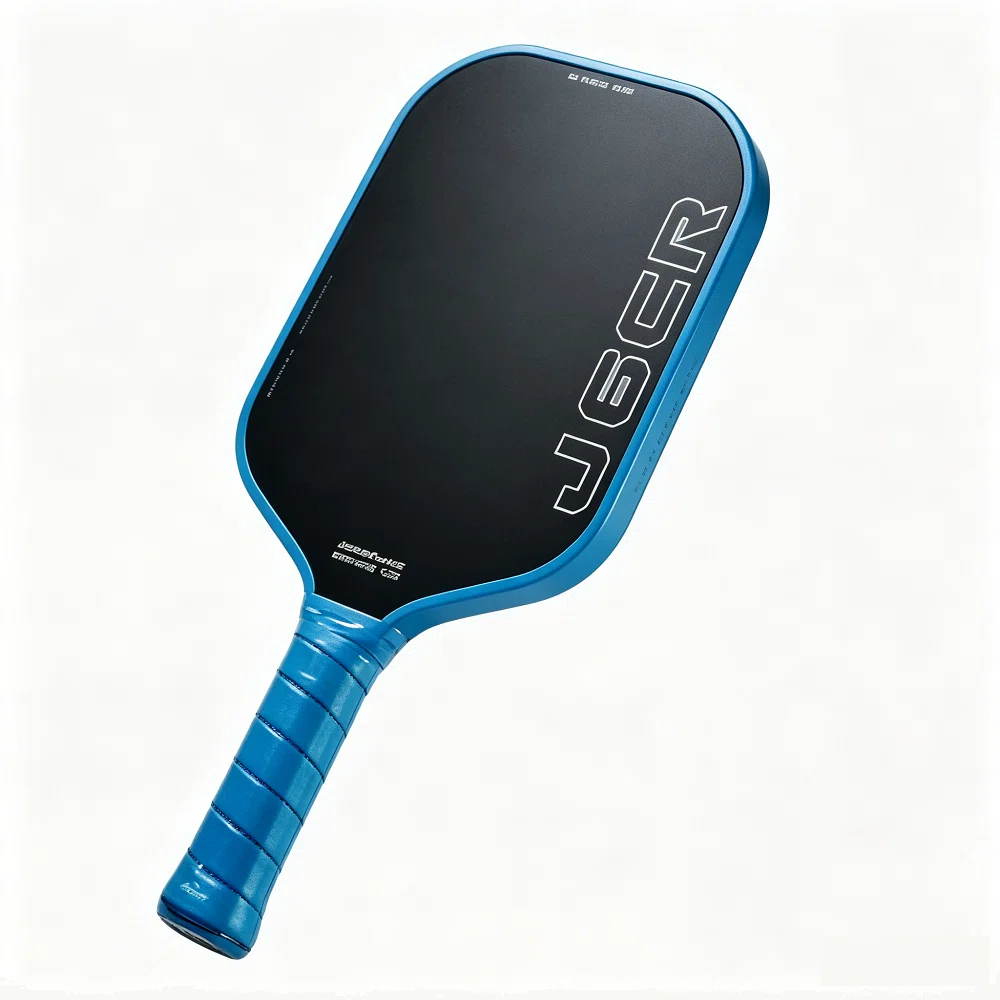
Private labeling has become one of the fastest-growing business models for small resellers and distributors in the global pickleball market. Many new brand owners choose to cooperate with a reliable pickleball paddle China manufacturer to build their own product lines, instead of purchasing generic ready-made paddles. Custom printing is the core part of private label service. Your paddle surface graphics, brand logo, color scheme and brand slogan directly shape how customers recognize your brand. However, many first-time buyers run into unexpected printing defects when importing custom printed paddles from Asia. Small flaws in printing can lead to product returns, bad customer reviews and lost profit. In this guide, we break down the most frequent custom printing problems for pickleball paddles, explain why these issues happen, and share practical solutions you can discuss with your pickleball paddle China manufacturer before mass production.
1. Color Difference Between Design File and Finished Paddle Surface
Color mismatch is the most frequent complaint private label buyers face. You send a beautiful PNG or AI design file to your pickleball paddle China manufacturer, approve the digital proof, but when the physical samples arrive, the color looks darker, faded, or has a different tone. The blue on your design may turn into navy, bright red becomes brick red, and grey graphics look yellowish. Many buyers think the factory made a careless mistake, but there are multiple root causes behind color deviation.
First, screen display difference. Computer monitors, mobile screens, and tablet screens all use RGB color mode. RGB is designed for digital display. But printing on pickleball paddle carbon fiber or fiberglass surfaces uses CMYK color mode. RGB colors are wider and brighter, and some bright RGB shades cannot be fully reproduced with physical printing ink. This is the top reason for color shift. Second, base material affects final color. Carbon fiber raw sheets have a dark grey base, while fiberglass sheets are off-white. Even using the same ink formula, printing on carbon fiber will always look darker than printing on fiberglass substrate. Third, batch variation of raw material. If the manufacturer uses different batches of fiber sheets, the background base color changes slightly, which changes the visual effect of printed graphics.
What is the practical solution? Work with your pickleball paddle China manufacturer to use Pantone color codes for your key brand colors, instead of only relying on screen preview. Pantone matching system gives a fixed physical color reference. Request a physical pre-production sample for color confirmation before mass production, do not approve production only by digital PDF proof. You can also ask the factory to test printing on the exact same raw material sheet you will use for bulk order. This test print will show you the real color result, and you can adjust the design file brightness in advance to compensate for dark base materials like carbon fiber.
2. Printed Ink Peels, Scratches or Chips During Usage
Pickleball paddles face constant friction and impact during games. Many cheap custom printed paddles have ink that peels off after a few weeks of play. Buyers receive complaints from their retail customers: the logo scratches off when the paddle touches the ground, graphics flake after hitting hard balls, or small chips appear on the edge of printed areas. This printing failure seriously damages your brand reputation. The main cause is poor ink selection and insufficient surface pre-treatment by the manufacturer.
Some low-cost suppliers use ordinary water-based ink to cut production cost. Normal ink cannot bond firmly on smooth carbon fiber and fiberglass surfaces. The paddle sheet surface is very dense and non-porous. If the factory skips surface cleaning and plasma pre-treatment, ink only sits on top of the sheet instead of bonding into the material. Another common issue is missing top protective coating. Good quality custom printed paddles need a clear matte or glossy over-laminate film or UV top coat after printing. Without the protective layer, the printed graphics are directly exposed to abrasion, UV sunlight and sweat from players’ hands.
Solution checklist to confirm with your pickleball paddle China manufacturer. First, confirm they use UV curing ink designed for composite fiber paddle printing. UV ink bonds strongly with fiberglass and carbon fiber panels. Second, verify surface preparation process: the factory must clean oil and dust on raw sheets before printing. Third, confirm a protective top coating will be applied after printing. Matte top coat is more popular for premium paddles, it resists scratches and fingerprint marks. You can also ask the factory to do abrasion test on pre-production samples: rub the printed surface repeatedly and check if ink peels. Test samples in high temperature environment, to make sure ink does not bubble or peel under heat.
3. Ink Cracking When Paddle Is Bent or Under Impact
Pickleball paddles have slight flexibility. When players hit powerful shots, the paddle panel flexes. If the printed layer is too rigid, the graphics will crack along the flex line. This problem often appears on paddles with thick heavy ink layers. Many buyers do not notice cracking until end customers use the paddle for several matches. The crack lines may be tiny at first, and slowly expand across the graphic area.
The core reason is ink hardness mismatch. If the ink layer is hard and brittle, while the fiber panel has elasticity, bending movement will break the printed ink layer. Some factories print multiple thick passes of ink to get saturated color, but thick ink loses flexibility. Also, improper curing time will cause cracking. If UV lamp curing time is too short, ink does not fully solidify; if over-cured, ink becomes brittle and easy to crack.
Speak to your pickleball paddle China manufacturer about flexible UV ink formula for custom printing. Avoid overly thick ink layers. The factory can do multiple thin printing passes instead of one heavy ink coat. When you receive pre-production sample, do simple flexibility test: gently bend the sample paddle panel and check if fine cracks show up on printed graphics. If cracks appear, the factory needs to adjust ink formula and printing thickness before bulk order starts.
4. Printing Misalignment, Blurry Edges and Ghosting Graphics
Print position error is another common defect for custom logo and full-face printed paddles. The brand logo is not centered, graphics tilt to one side, or pattern edges look fuzzy and blurred. Ghosting means faint double-image of your design appears on the paddle surface. This problem mostly comes from printing equipment accuracy and sheet positioning during production.
For full-face custom printing, the factory needs to fix each fiber sheet accurately on the printing platform. Low-grade flatbed printers and manual positioning will create offset. Dust particles on the printing nozzle also lead to blurry lines and broken graphic edges. Ghosting usually appears when the printer head drags residual ink during printing cycles.
Solutions: Confirm your pickleball paddle China manufacturer uses high-precision flatbed UV printers for custom paddle printing, not simple transfer sticker printing. Sticker transfer printing has higher risk of misalignment and bubble formation. Request pre-production sample to check logo centering and graphic edge sharpness. Tell your factory your tolerance limit for position offset, for example logo offset cannot exceed 1mm. Add this requirement in your order specification sheet, so the production team follows your alignment rule during mass printing.
5. Bubble Formation Between Printed Layer and Top Coating
Air bubbles under graphics or top coating often show up after shipping or storage. End customers receive paddles and find small round bubbles under the printed surface. This issue happens when dust, oil or trapped air remains when applying the protective film or top coat. Humidity in production workshop also increases bubble risk. Some bubbles only appear after the product experiences temperature change during ocean shipping.
When containers cross the ocean, temperature fluctuates greatly. If the coating is not fully bonded, air expands and creates bubbles under the printed layer. This defect is hard to find on fresh factory samples, and only reveals itself weeks later after shipment.
Ask your pickleball paddle China manufacturer to control workshop dust and humidity during coating process. Before applying top coat, the printed panel must be fully cleaned and dried. For film lamination process, the factory needs to use vacuum laminator to squeeze out trapped air. You can simulate shipping temperature change on your sample: put sample in high and low temperature cycle test, then check whether bubbles appear after temperature change.
6. Fading Under Sunlight (UV Degradation of Printed Graphics)
Pickleball is an outdoor sport. Players use paddles under strong direct sunlight. Some cheap printed paddles fade quickly after several months of outdoor use. Bright graphics turn pale, logo fades, and color loses saturation. Ordinary ink without UV stabilizer cannot resist ultraviolet rays from sunlight.
Many low-cost manufacturers use standard ink without anti-UV additive to reduce cost. For indoor use this works fine, but outdoor pickleball court exposure will quickly degrade printed colors.
If your target customers mainly play outdoor pickleball, clearly tell your pickleball paddle China manufacturer to use UV-resistant ink for your custom printing. Anti-UV ink adds special stabilizer, slowing color fading under continuous sun exposure. You can also request accelerated UV aging test report on samples, to evaluate how long the printed graphics keep original color.
7. Design File Issues Causing Printing Failure
Many printing problems actually start from your design file, not the factory’s printing machine. Private label buyers submit low-resolution image files, and then find the printed logo pixelated on paddle surface. Common file mistakes include low-resolution JPG, embedded text without outline, wrong color mode, small logo elements that are too tiny to print clearly.
For UV printing on pickleball paddles, the factory needs vector files, such as AI, EPS or PDF vector files. Raster JPG or PNG images with low pixel density will become blurry when scaled up to full paddle size. If text is not converted to outlines, font substitution may happen: the factory computer does not have your custom font, and text will automatically change into default font, ruining your brand design. Tiny graphic details, thinner than 0.8mm, can not be printed clearly, they may merge together or disappear after printing.
Work with your designer to prepare print-ready files before sending to your pickleball paddle China manufacturer. Use vector file format, convert all text to outlines, set color mode as CMYK, avoid ultra-thin lines and tiny logo details. Ask the factory to review your artwork file in advance and point out any parts that cannot be printed properly, before sample production starts. This simple step saves you huge trouble later.
How to Work With Your Pickleball Paddle China Manufacturer to Avoid Printing Problems
Building smooth custom printing workflow with your supplier can reduce almost all these common defects. Here is the standard process recommended for private label wholesale buyers.
Step 1: Artwork pre-check. Send your design file to the manufacturer’s graphic team. Let them check file resolution, font, line thickness and color setup. They will tell you any risky elements in your design.
Step 2: Pre-production sample confirmation. Do not skip physical sample approval. The factory prints sample using the exact raw material, ink and coating that will be used for bulk production. Check color, scratch resistance, alignment, flexibility and surface finish on samples. Write down all corrections and send back to factory for revision.
Step3: Clear specification sheet. List all printing requirements on order sheet: Pantone color code, matte/gloss top coat, abrasion requirement, position tolerance, ink type. All requirements should be agreed by both parties before mass production starts.
Step4: First article inspection. When mass production starts, ask your pickleball paddle China manufacturer to send the first 5-10 finished paddles from production line for your final check. Catch printing defects early before thousands of paddles are fully printed.
Conclusion
Custom printing is the key to build your unique private label pickleball paddle brand. Many printing defects are avoidable, as long as you understand common failure modes and communicate clearly with your pickleball paddle China manufacturer. Color difference, ink peeling, cracking, misalignment, bubbles, sunlight fading and bad artwork files are the main risks for custom printed paddles. Pre-production sample verification, Pantone color matching, proper ink and top coating selection are your best protection. A professional pickleball paddle China manufacturer will guide you through artwork preparation, sample testing and quality inspection, helping you launch durable, good-looking private label paddles for your wholesale customers.



Share your thoughts
All fields marked with an asterisk() are required