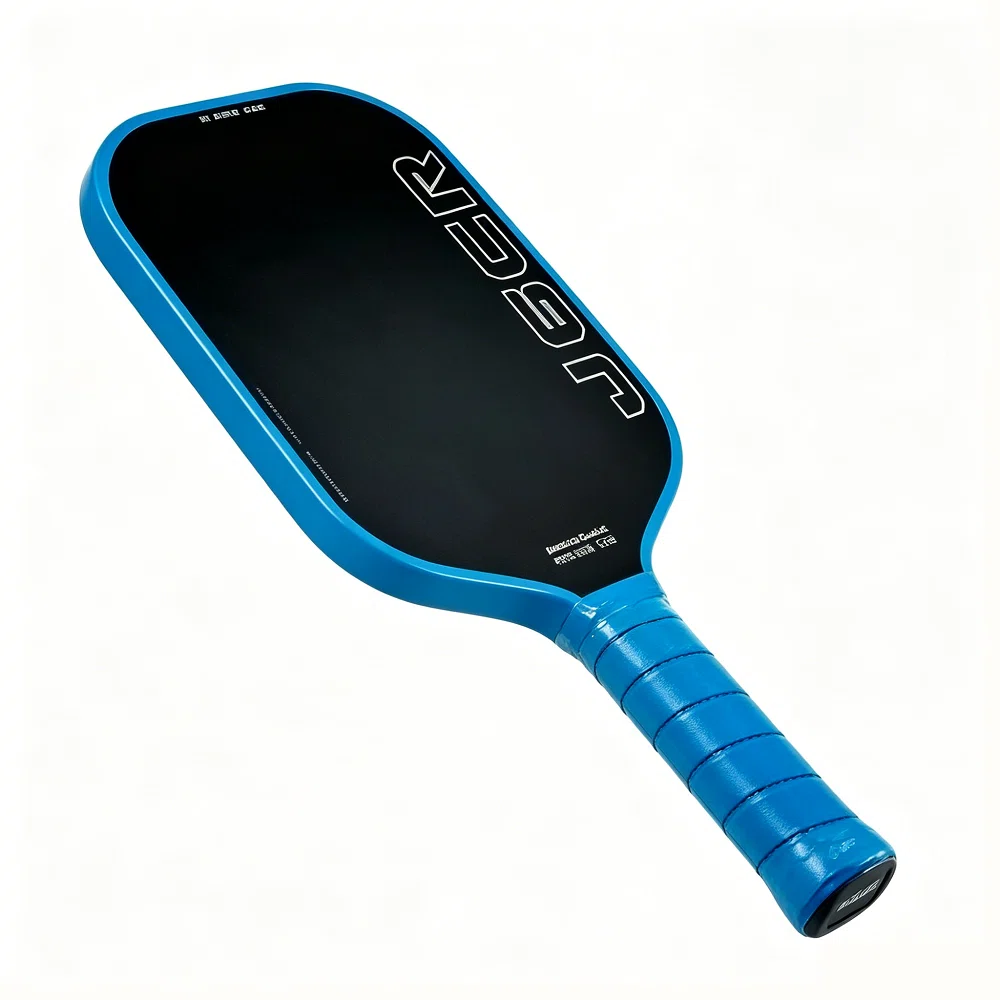
Private‑Label Pickleball Paddles: Complete Sourcing Guide For Wholesale Buyers In 2026
Source:sunnypaddle.com Release on: 2026-09-20-16-09-08
Private‑Label Pickleball Paddles: Complete Sourcing Guide For Wholesale Buyers In 2026
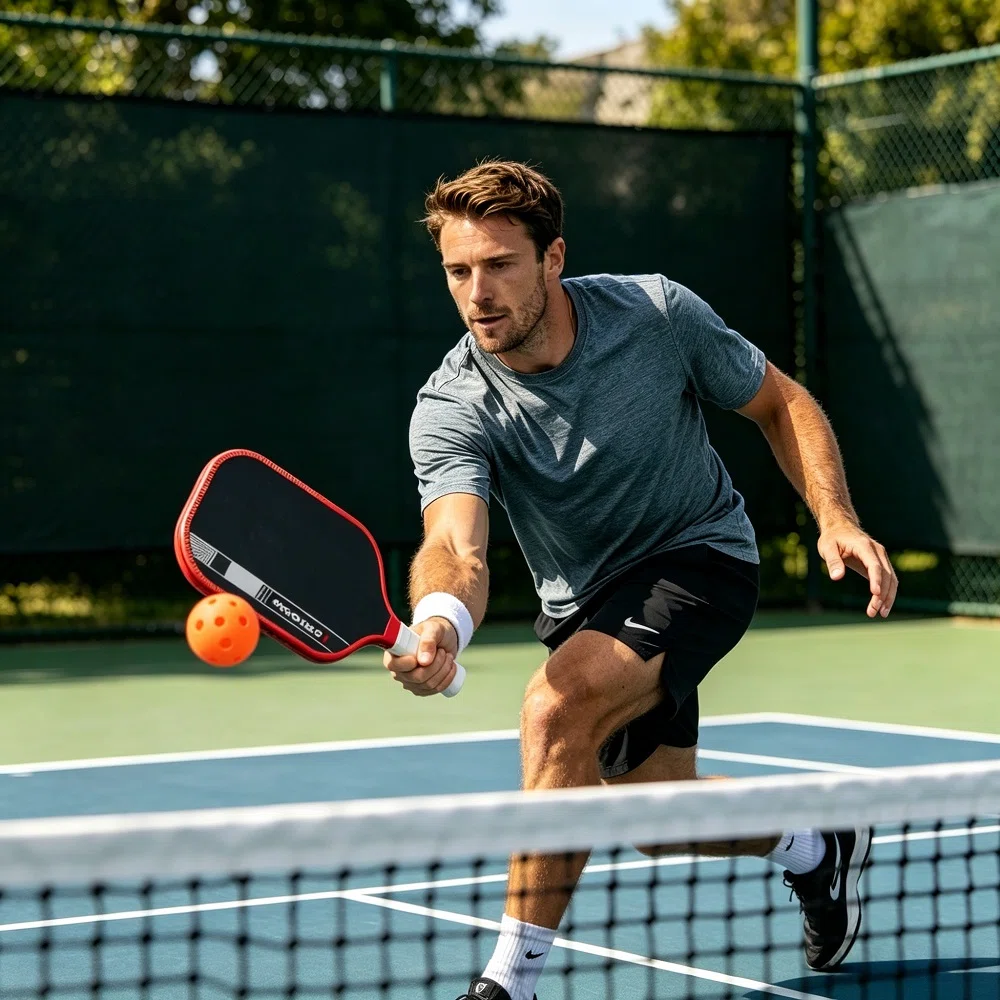
Pickleball continues its explosive growth across North America, Europe, and Oceania, cementing its status as one of the world’s fastest‑growing racket sports. Millions of new recreational and competitive players enter the market each year, creating huge business opportunities for brand owners, e‑commerce sellers, sports club operators, and wholesale distributors. For most businesses aiming to capture this market wave, working with a professional China‑based pickleball paddle OEM & ODM manufacturer has become the most practical and cost‑effective path to launch competitive private‑label paddle products.
However, sourcing high‑quality custom pickleball paddles is far more complex than simply placing bulk orders online. Many first‑time buyers face common pitfalls: inconsistent product quality, misunderstood minimum‑order requirements, unclear certification standards, mismatched graphic printing, and trading companies disguised as direct factories. Without proper background knowledge, wholesalers risk receiving defective goods, long delays, and high return rates that damage brand reputation.
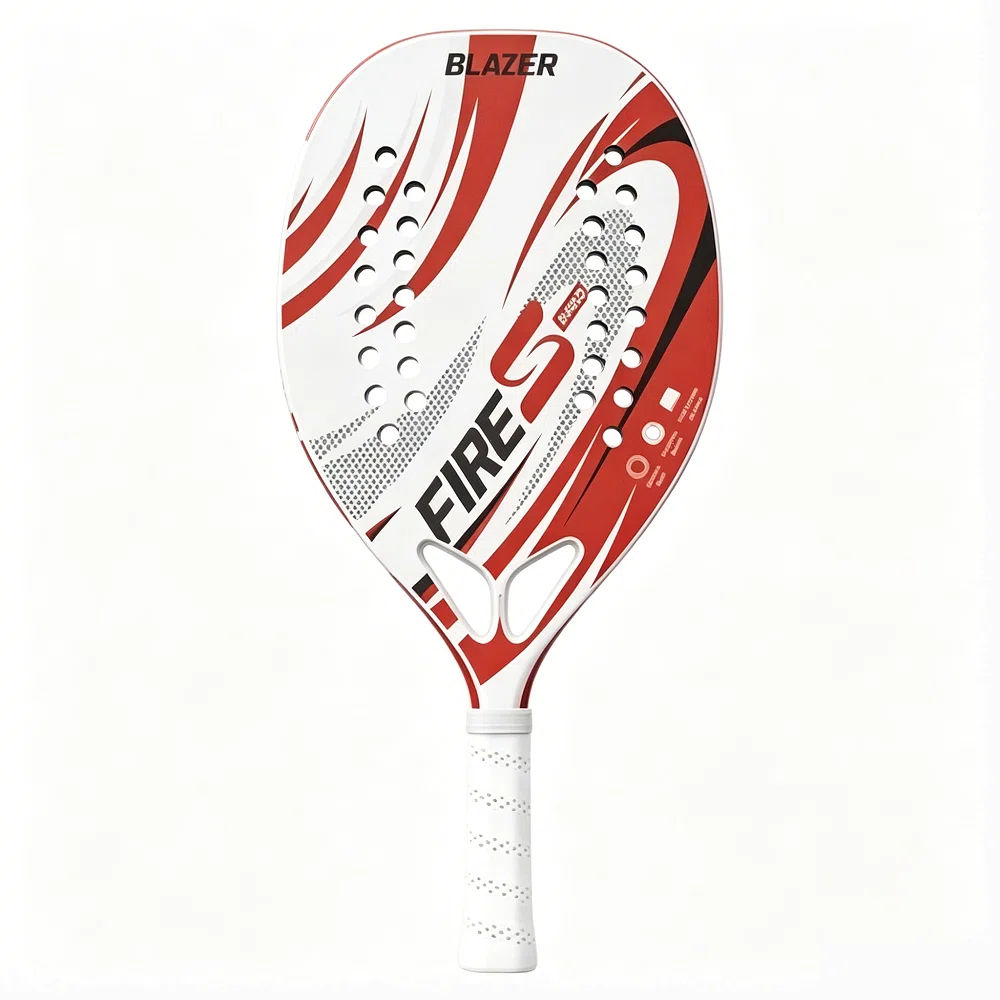
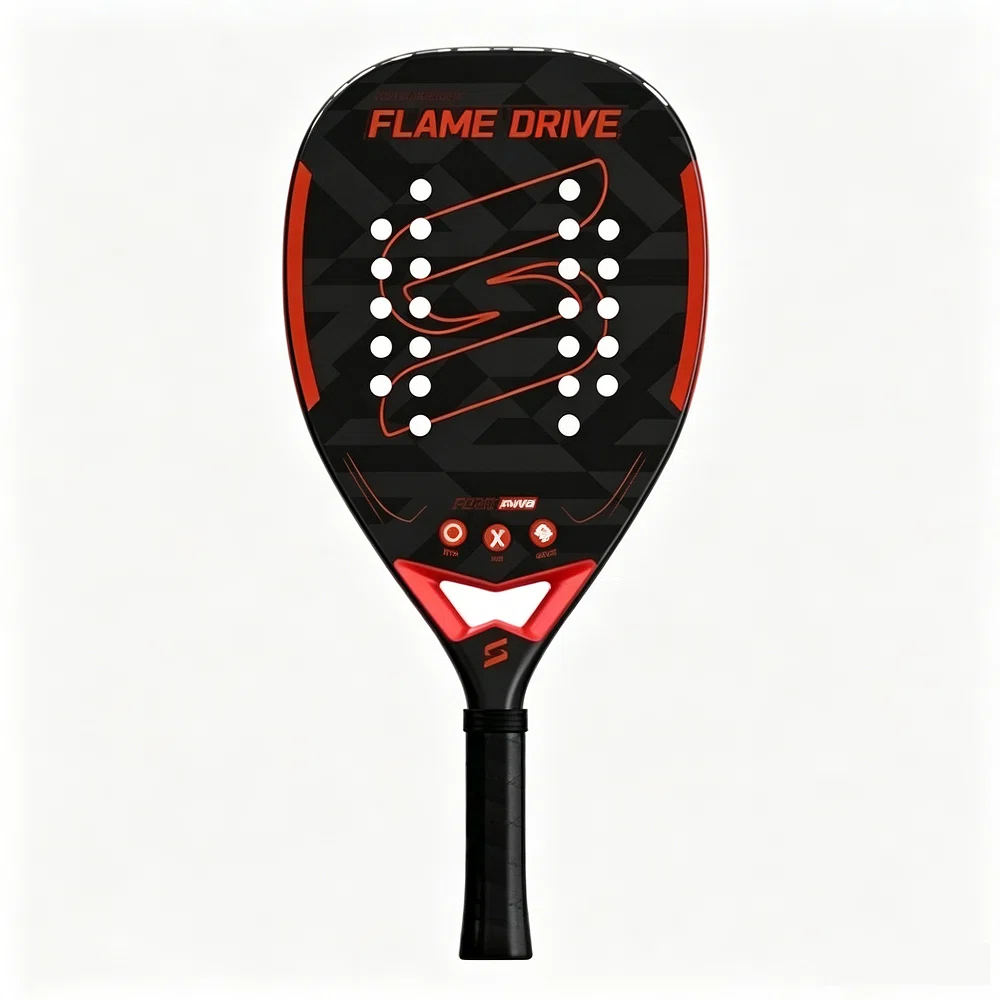
This practical guide breaks down everything modern wholesale buyers need to know, including key material differences, manufacturing‑process comparisons, OEM vs ODM decision‑making, how to evaluate real manufacturers, typical MOQ expectations, and best practices for smooth project execution. If you are exploring custom beach tennis paddles alongside pickleball equipment, you can visit sunnypaddle.com to review a full portfolio of thermoformed and hot‑press paddle models built for global retail and tournament‑grade markets.
Current Global Pickleball Market Landscape for Wholesale Operators
Industry statistics show that more than 85 percent of pickleball paddles sold worldwide originate from Chinese composite‑sporting‑goods factories, concentrated primarily in Guangdong province where supply‑chain infrastructure for carbon‑fiber products is mature. Consumer demand has shifted noticeably in 2026: buyers no longer only seek cheap entry‑level fiberglass paddles. Competitive players increasingly look for thermoformed carbon‑fiber paddles with textured hitting surfaces, balanced weight distribution, reliable honeycomb cores, and tournament‑compliant specifications.
Three main customer segments drive wholesale demand today. First, Amazon, Shopify, and social‑media e‑commerce brands launching their own private‑label lines. Second, physical sports retailers and sports clubs buying custom‑logo paddles for resale or club‑member use. Third, international distributors looking for mixed‑container orders combining pickleball paddles and beach‑tennis rackets for multi‑category retail stores. Each segment has unique requirements for MOQ, cost, packaging, and customization depth.
One major market shift worth noting is the rising importance of certification. For paddles sold in tournament markets, USA Pickleball compliance is non‑negotiable. Non‑compliant paddles cannot be used in official competitions and may face listing removals on major e‑commerce platforms. Reputable manufacturers maintain clear testing workflows and documentation support for buyers targeting tournament‑oriented consumer groups.
Key Material & Manufacturing Differences That Impact Wholesale Profitability
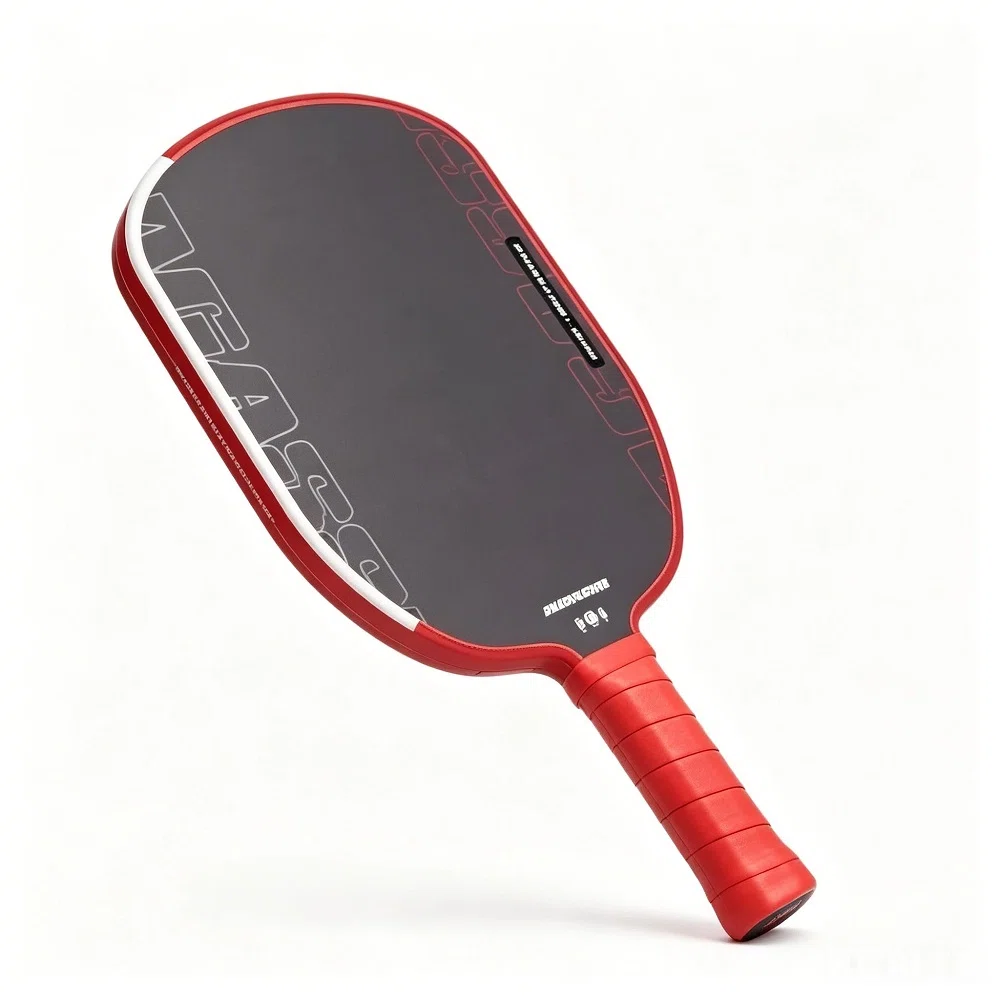
When evaluating custom pickleball paddles, two core decisions determine product positioning: surface material and molding technology. The most popular surface materials on the market are fiberglass and carbon fiber such as T700 grade carbon fiber. Fiberglass paddles serve the beginner‑recreational segment with attractive price points, while carbon‑fiber paddles deliver superior spin, power, vibration dampening and durability for intermediate and advanced players.
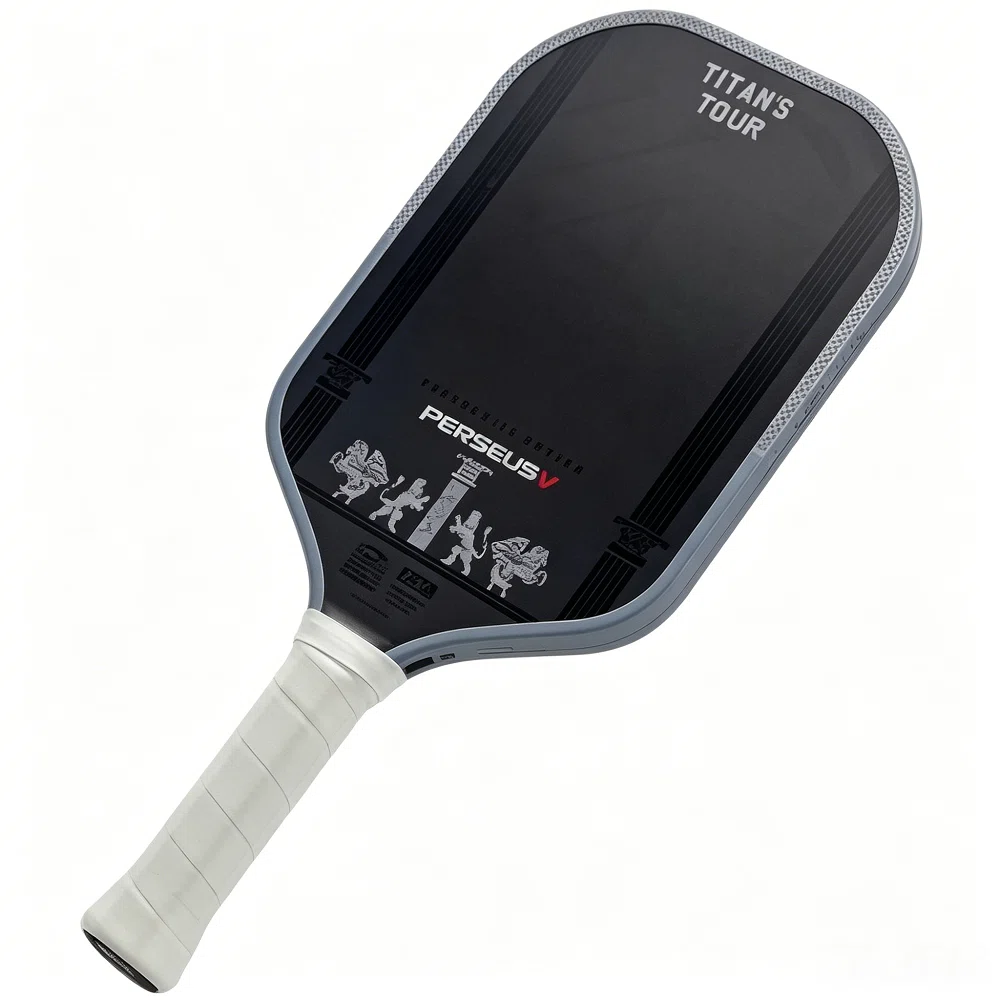
Molding technology divides paddles into cold‑press (bonded) and hot‑press / thermoformed unibody construction. Cold‑press paddles use adhesive glue to bond face sheets to the honeycomb core. This method delivers lower unit cost and lower MOQ, yet carries higher long‑term defect risks such as delamination. Thermoformed unibody paddles apply heat and pressure to fuse layers together without heavy glue, creating stronger structural integrity, better power transfer and lower failure rates, which makes them the mainstream choice for mid‑to‑high‑end retail brands.
The inner core is equally critical. Polypropylene honeycomb cores remain standard for most modern paddles. Buyers must pay attention to core thickness consistency across batches. Weight consistency is another quality checkpoint: premium factory partners control finished‑paddle weight tolerance tightly, typically within ±0.2 oz, avoiding uneven‑weight inventory that generates customer complaints.
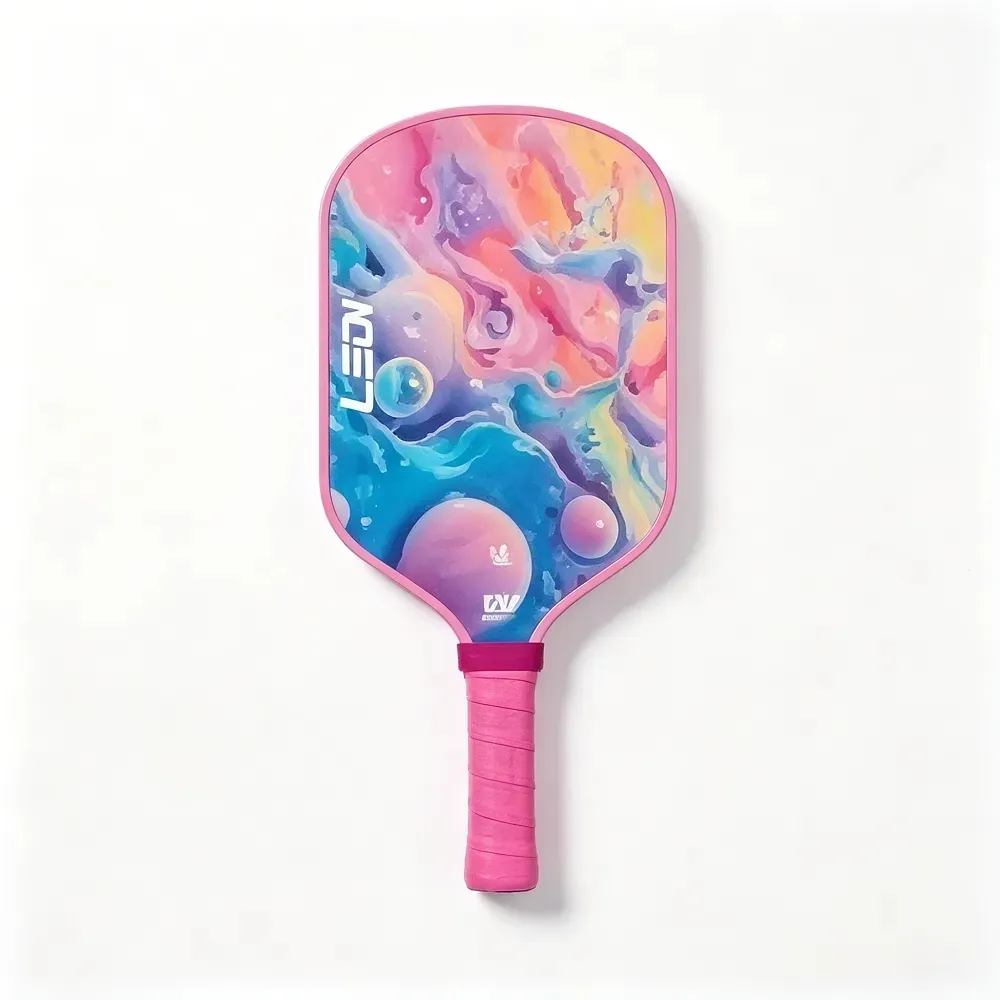
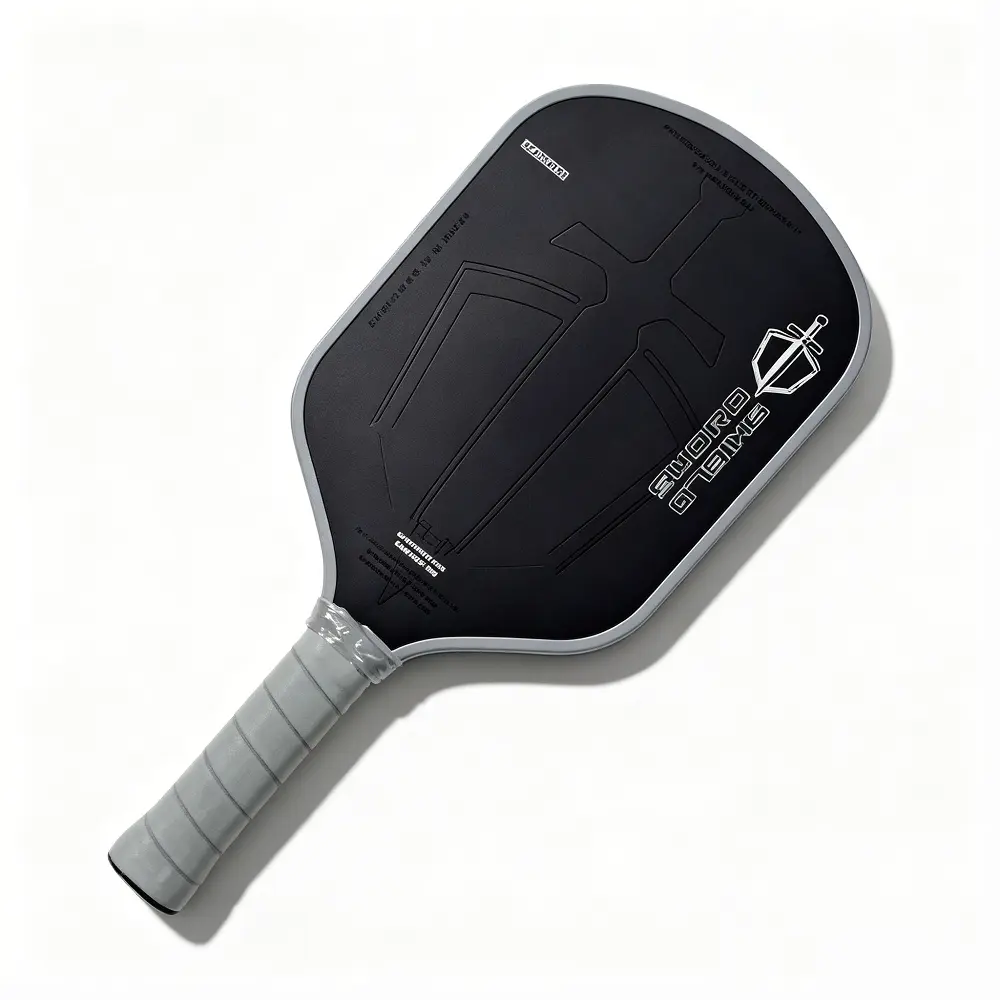
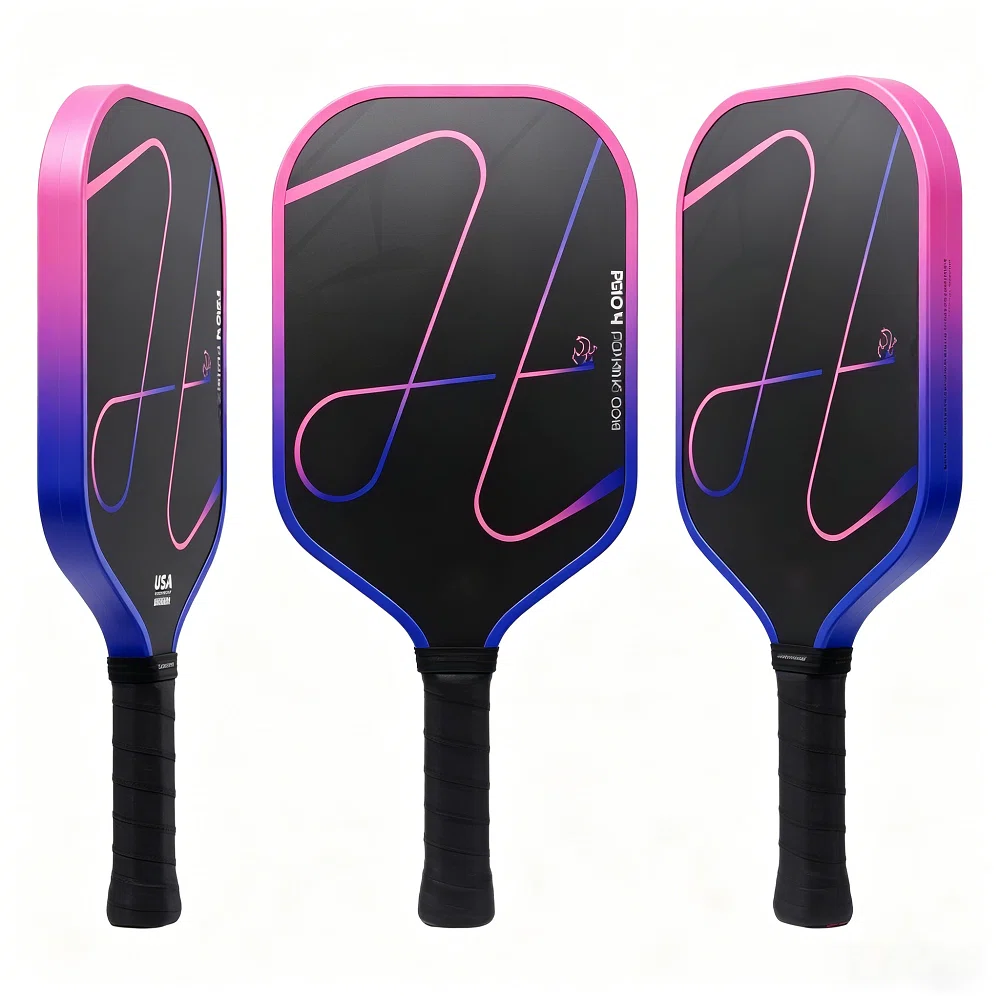
Surface finishing methods also affect end‑user satisfaction. UV printing, sublimation printing, and enhanced fabric‑texture matte finishes are widely available. Matte textured surfaces greatly improve spin performance, a feature heavily requested by modern competitive players. Inexpensive glossy finishes often scratch easily and deliver minimal spin benefit, making them less suitable for premium retail positioning.
OEM vs ODM for Pickleball Paddles: Which Model Fits Your Business?
Understanding OEM and ODM differences helps buyers avoid wasted budget and missed timelines. ODM means you select existing factory‑developed paddle molds and shapes, customizing only graphics, logo, color schemes, grip options and packaging. ODM requires no expensive new‑mold investment, offers relatively low MOQ and shorter lead times, and is ideal for startup brands testing market response before heavy capital commitment.
OEM means you provide full specifications, CAD files or detailed tech‑pack documentation. The factory builds brand‑exclusive molds and fully custom paddle geometry according to your requirements. OEM delivers maximum product differentiation and intellectual‑property control, yet requires higher upfront tooling expense, higher minimum‑order thresholds, and longer development cycles for sampling and mass‑production preparation.
Many successful brands adopt a hybrid strategy: launch with ODM custom‑graphic paddles to validate market demand, then invest in proprietary OEM molds once sales performance data confirms product‑market fit. Before contacting any factory, clarify your business goals: target retail price range, primary player skill level, expected monthly sales volume, and whether you need tournament‑compliant certification support. These points will allow manufacturers to provide realistic proposals and sample schedules.
How To Vet A Genuine Pickleball Paddle Manufacturer & Avoid Trading‑Company Traps
One of the most frequent sourcing mistakes is negotiating with trading companies posing as direct manufacturers. Trading companies add extra layers of markup, cannot directly control production parameters, and often respond slowly when quality issues emerge after shipment. Wholesale buyers should confirm several critical points during early‑stage supplier evaluation.
First, request factory video tours or facility photos showing composite‑molding workshops, raw‑material storage areas, and quality‑inspection stations. Real paddle manufacturers own thermoforming or hot‑press production lines, not only assembly workstations. Second, ask for detailed QC workflows: how they test core consistency, surface‑print adhesion, edge‑impact resistance, grip torsion stability before goods leave the factory. Reliable suppliers implement multi‑stage quality checks from raw‑material incoming inspection through finished‑product random sampling.
Third, ask clear questions about sample lead‑time, sample cost, mass‑production lead‑time, MOQ tiers for logo‑only customization versus full‑graphic customization, and certification‑related support. Be cautious of quotations significantly below normal‑market ranges; ultra‑low pricing frequently comes with compromised raw‑material quality and high after‑sales return rates that destroy profit margins.
You can review detailed supplier comparison articles and industry buying guides on the resource blog hosted at sunnypaddle.com, covering topics including cold‑press versus thermoformed defect‑rate comparison, private‑label guidance for small resellers, and 2026 rankings of top Chinese pickleball paddle OEM factories.
Realistic Expectations: Samples, MOQ, Lead‑Times & Quality‑Control Best Practices
MOQ levels vary widely based on customization scope. For simple logo‑printing on existing ODM paddle molds, many manufacturers accept trial orders starting at 100–300 units. For full‑surface custom‑graphic sublimation or UV‑print jobs, MOQ commonly rises to 300‑500 pieces. Brand‑new OEM proprietary molds will demand substantially higher minimum‑order commitments.
Sample processes typically run from 7‑15 working days. Wholesale buyers are strongly advised to approve physical samples before authorizing full‑mass‑production. On‑sample checks should cover weight measurement, hitting‑surface texture, graphic sharpness and color matching, edge‑guard fit, grip comfort, and overall visual finish. Document sample conditions clearly, so the factory has a concrete reference benchmark for bulk‑production quality.
Standard mass‑production lead‑times range 6‑12 weeks, affected by order volume, printing complexity, and factory production‑schedule status. Plan inventory timelines well ahead of peak‑sales seasons. Professional buyers also arrange pre‑shipment inspection either through internal representative visits or third‑party inspection services to verify batch quality before container loading.
Packaging, Branding & Post‑Production Considerations for Global Resellers
Complete private‑label service extends beyond paddle hardware. Professional manufacturers offer custom color‑boxes, carry‑bags, user‑manual inserts, barcode sticker printing, and outer‑shipping‑carton marking according to retail‑channel requirements. Good packaging improves perceived retail value and reduces in‑transit scratch damage to paddles.
Think about your target markets’ compliance requirements. Different territories have labeling rules regarding product‑origin marking, warning text, and imported‑goods information. Communicate all packaging requirements during the sample phase, not after mass‑production has begun, to avoid costly rework.
Final Thoughts: Build Long‑Term Partnership Instead Of One‑Off Purchases
The pickleball boom will continue for many years, making long‑term supplier partnership more valuable than chasing the absolute lowest per‑unit price on a single order. A trustworthy manufacturer continuously updates product lines according to market trends, responds quickly to revision requests, maintains stable batch‑to‑batch quality, and offers flexible order scaling whether you need small trial batches or large‑volume container shipments.
Whether you are a brand‑new startup testing your first private‑label paddle collection or an established distributor expanding your sports‑goods catalog, investing time to understand manufacturing technology, material options, and supplier‑vetting methodology will protect your brand and unlock sustainable profit growth in this fast‑expanding global market.



Share your thoughts
All fields marked with an asterisk() are required