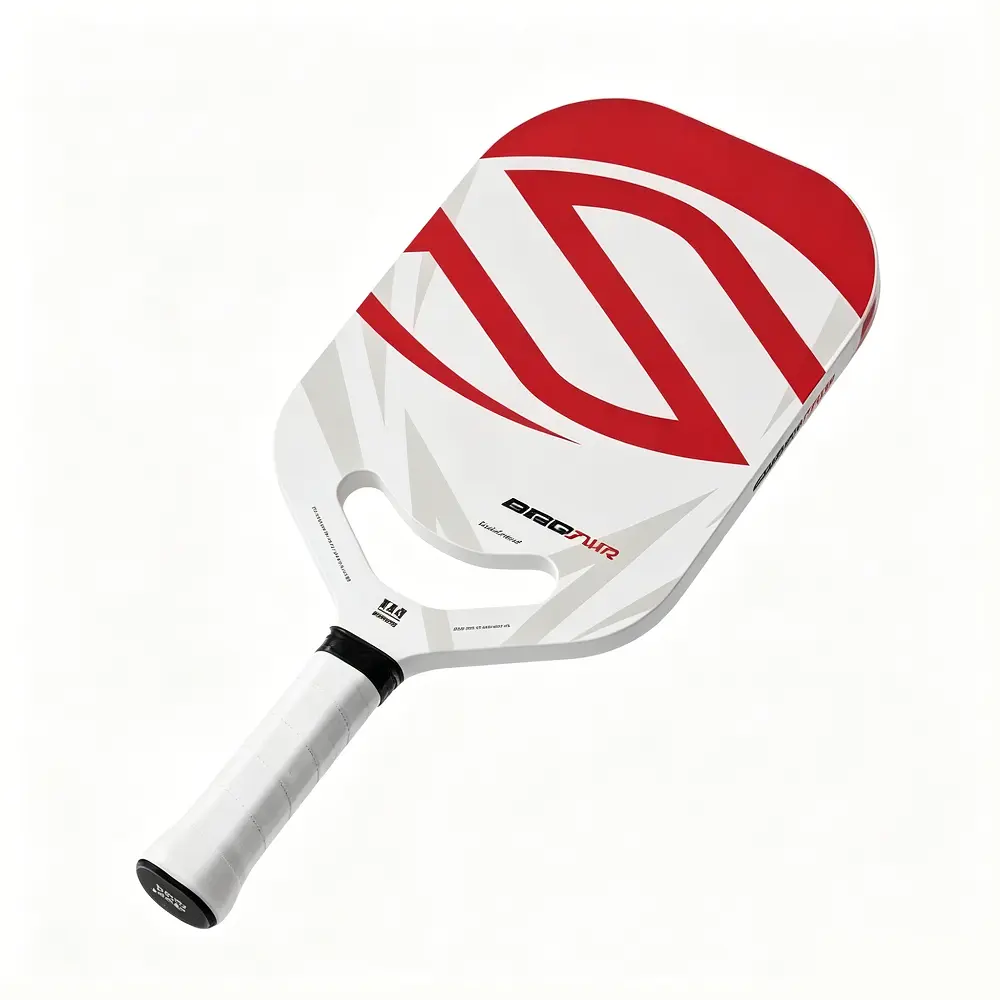
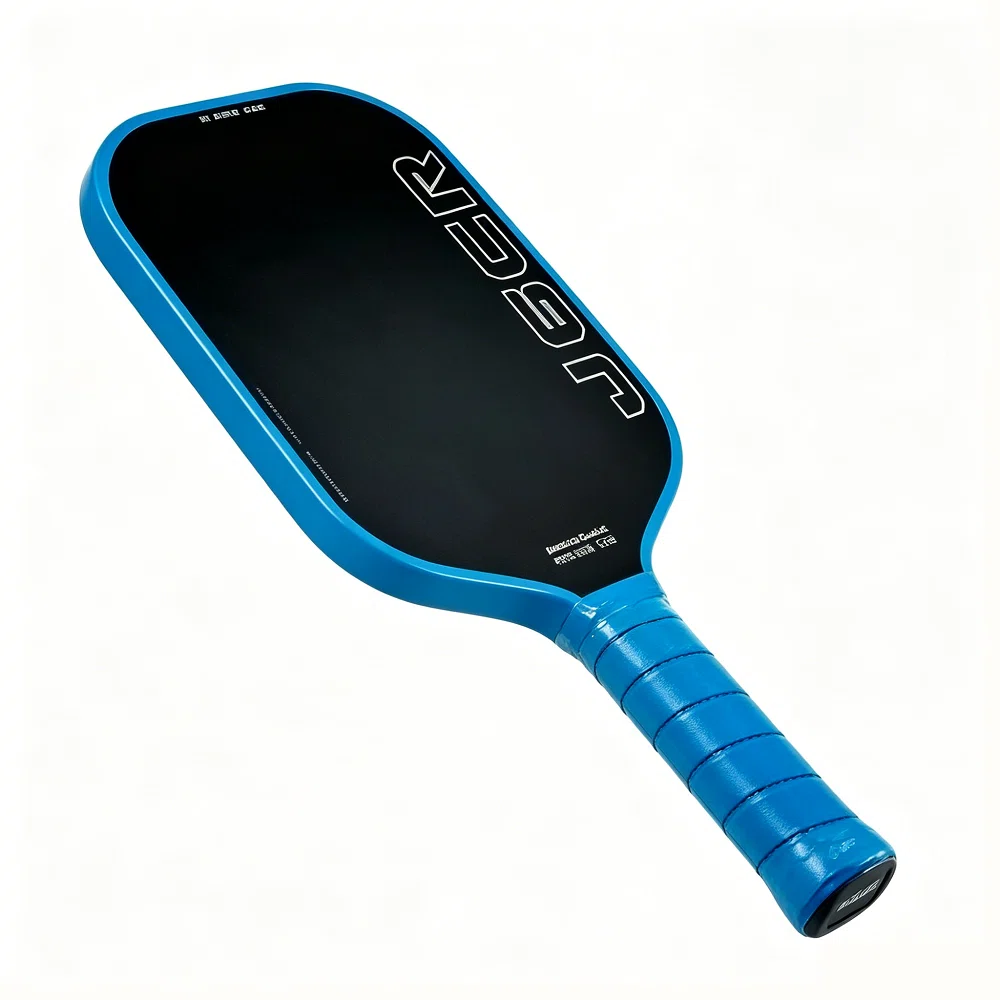
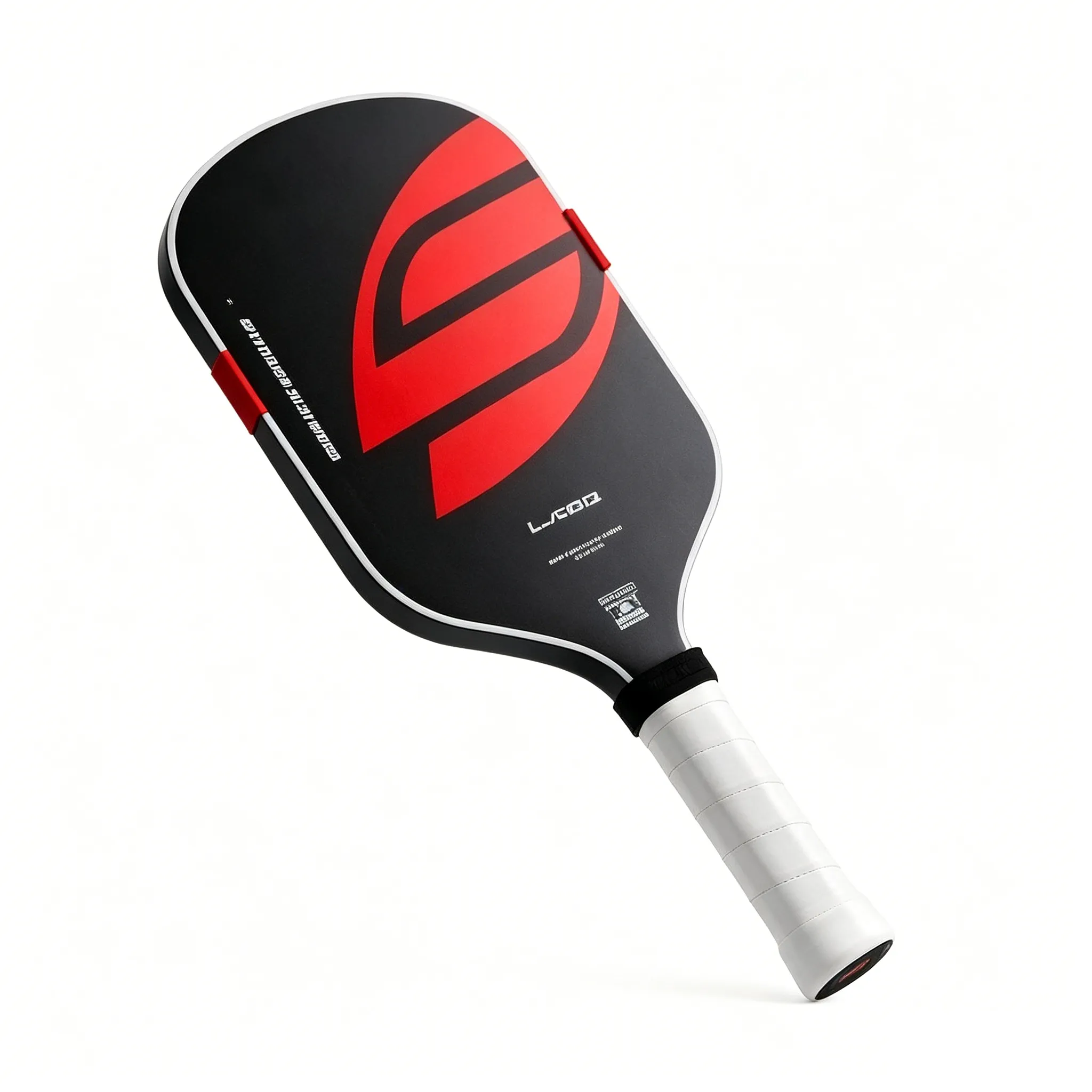
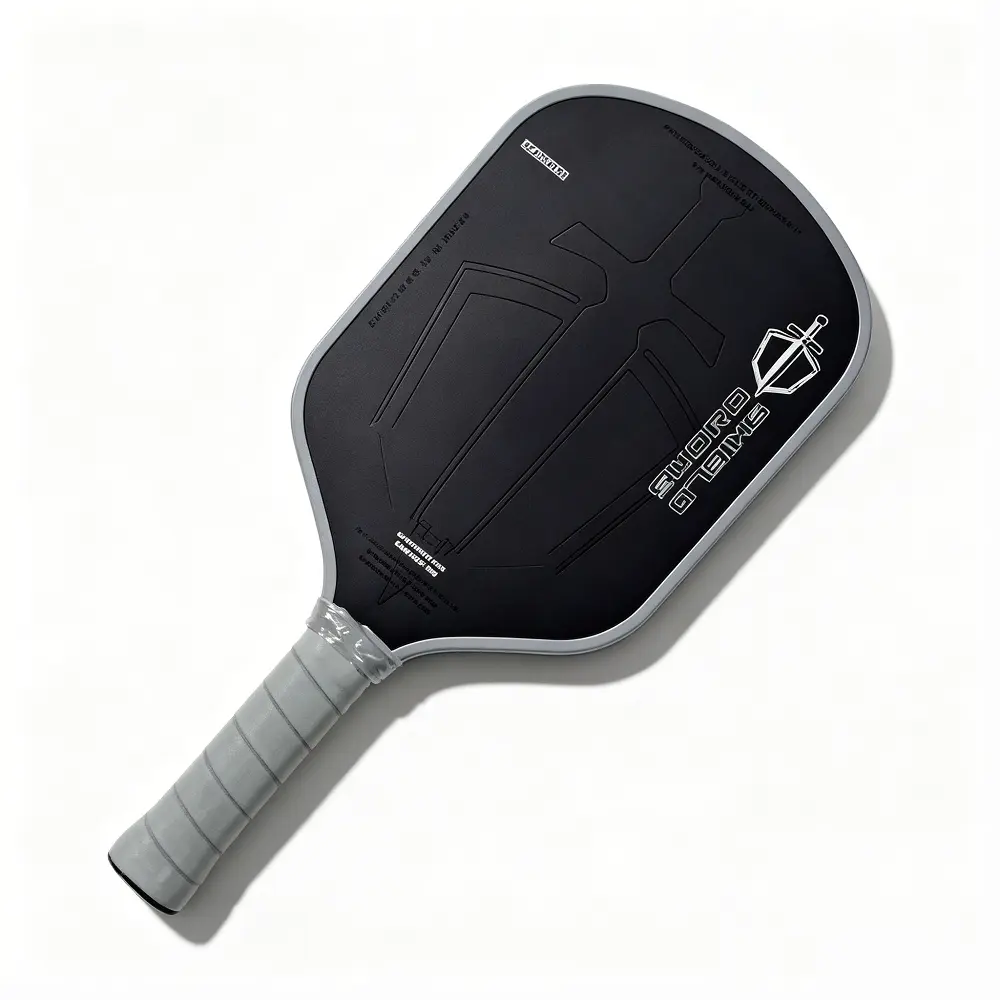
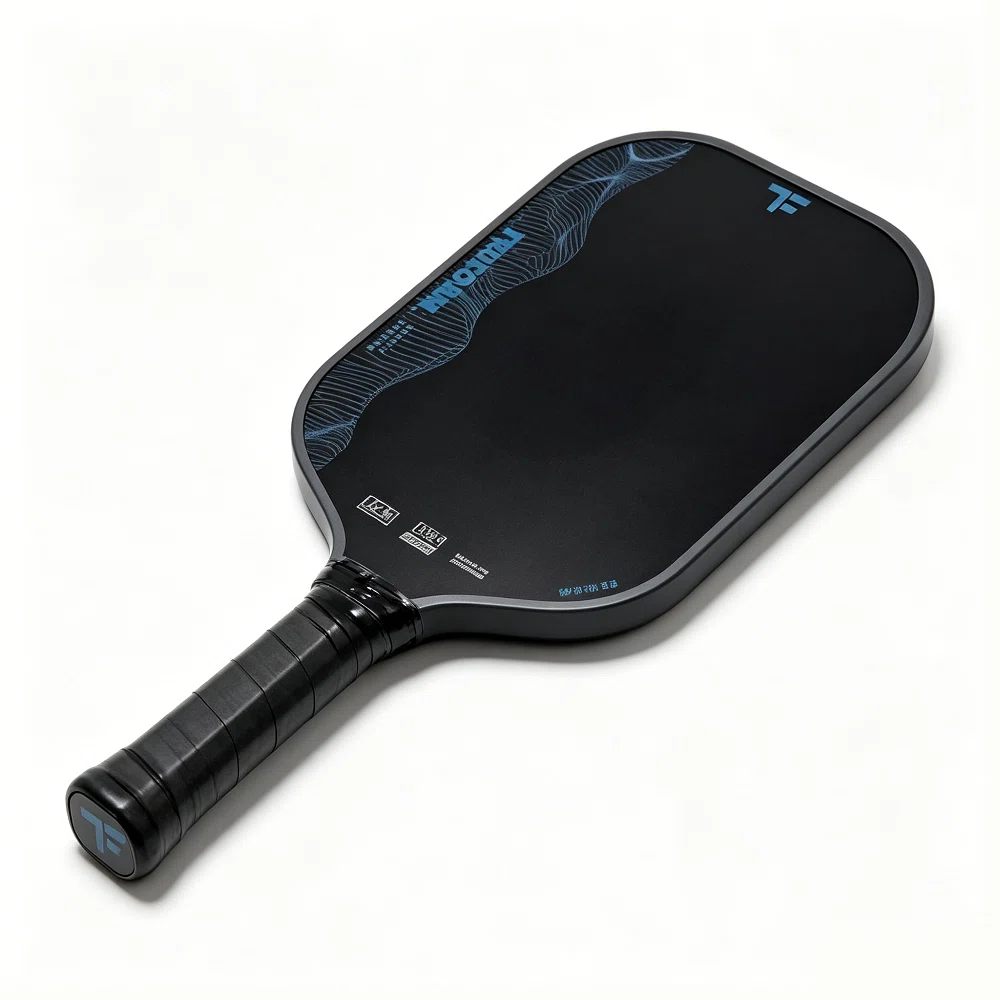
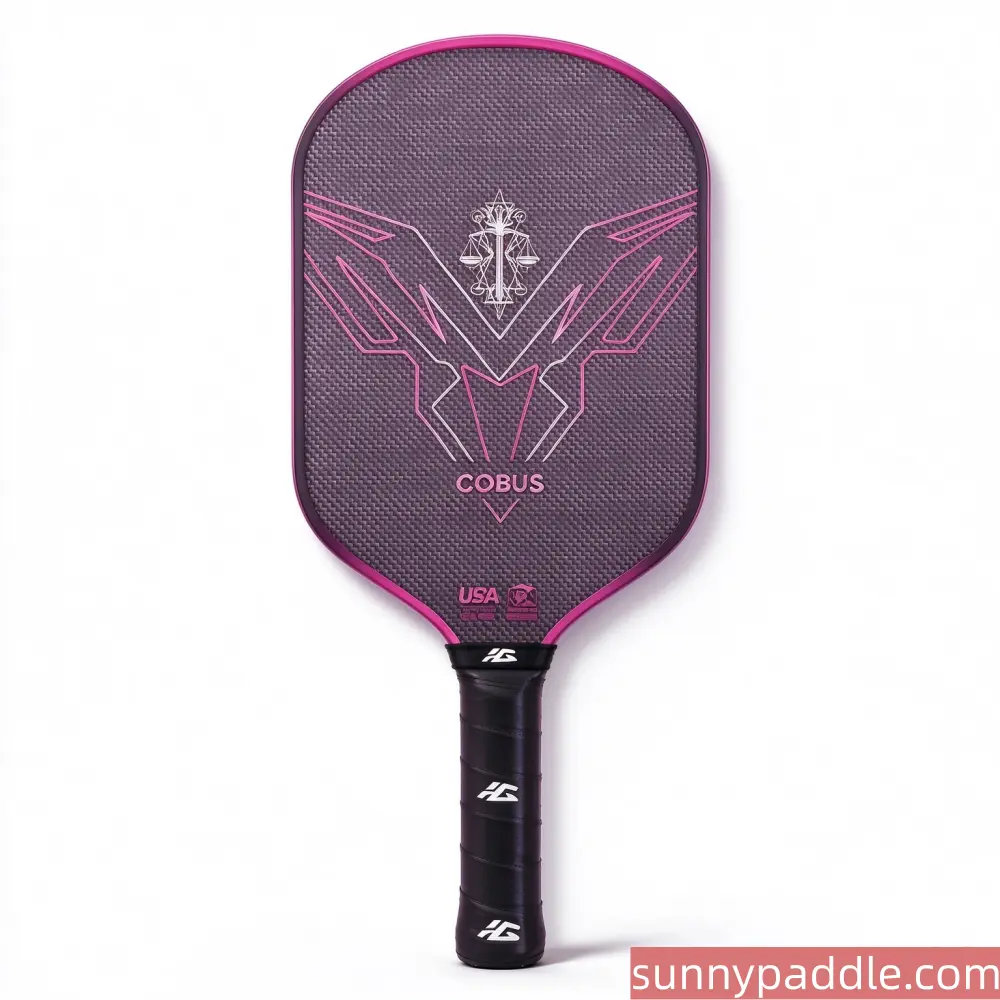
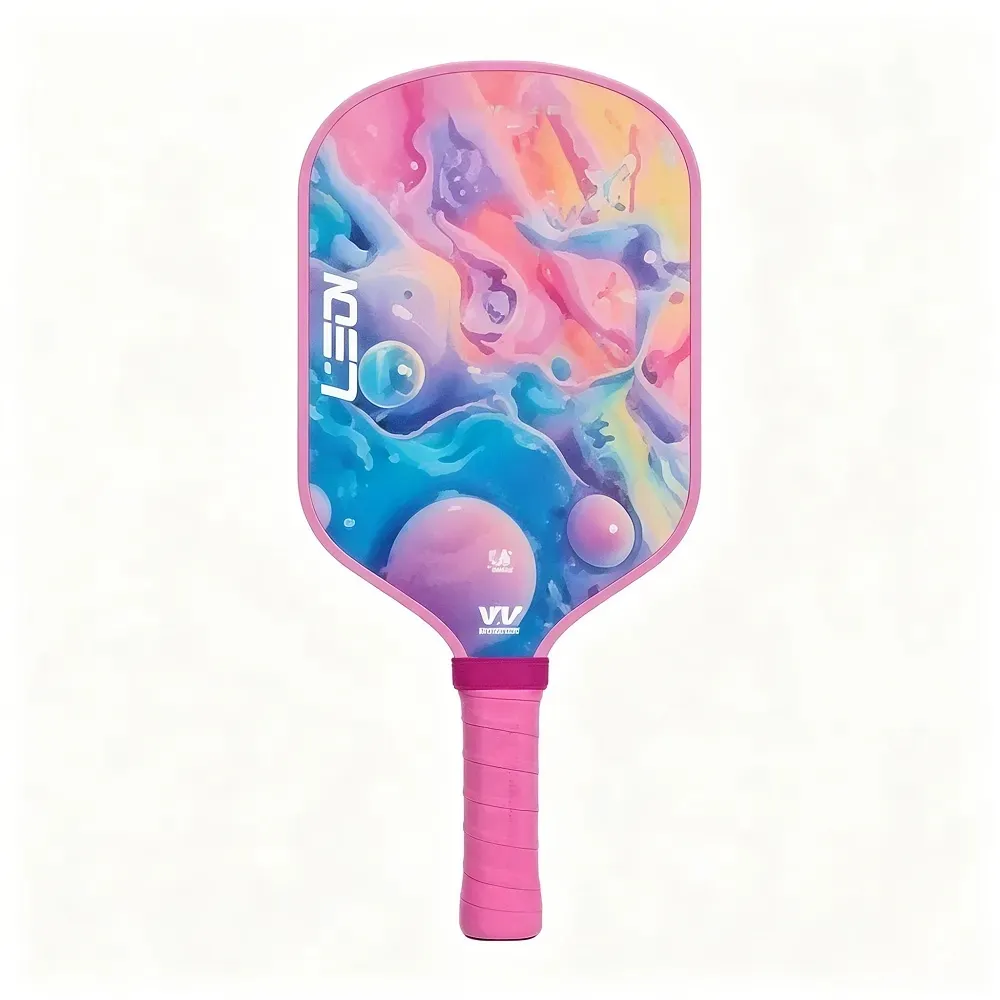
Sourcing Pickleball Paddles From China: A Complete Buyer Guide
The global pickleball boom continues to accelerate across North America, Latin America, Europe and Oceania. More retail brands, sports distributors, club operators and e‑commerce sellers turn to Chinese factories for cost‑effective, high‑performance pickleball paddles. Sourcing directly from China gives buyers access to carbon‑fiber production capacity, private‑label OEM & ODM services, and significant gross margin improvement compared to buying from local middle‑men distributors.
However, many first‑time importers face common pitfalls: confusing trading companies with real factories, unexpected quality inconsistency, unclear MOQ rules, missing product certifications, misunderstood shipping terms, and lengthy production lead‑time surprises. Many buyers start their journey on Google with dozens of practical questions before sending RFQ requests to any supplier.
This buying guide is built from the real search questions and pain‑points of international pickleball paddle buyers. It walks you through the whole importing workflow: how to search and qualify suppliers, understand material specifications, evaluate OEM / ODM options, clarify MOQ and sample rules, verify compliance certification, calculate total landed cost, and avoid typical sourcing mistakes. Whether you are a new startup brand or an established sports goods distributor, this article will help you make better purchasing decisions when you source pickleball paddles from China.
What Do Real Buyers Search On Google When Sourcing Pickleball Paddles From China
Before sending an inquiry, almost every B‑2‑B buyer runs multiple Google searches to gather background information. Understanding these search queries helps you step into the mindset of your potential customers.
Some buyers start with broad informational searches:
- pickleball paddle manufacturers in China
- how to import pickleball paddles from China
- are Chinese pickleball paddles USAPA approved
Buyers with clear commercial intent look for concrete supplier capabilities:
- custom private label pickleball paddles China
- OEM carbon fiber pickleball paddle factory low MOQ
- wholesale pickleball paddles FOB China price
- thermoformed pickleball paddle manufacturer China
Risk‑focused search queries reflect real worries:
- how to verify pickleball paddle factory in China not trading company
- what certifications do I need for importing pickleball paddles
- common quality problems for Chinese pickleball paddles
Buyers also search for comparison knowledge to evaluate quotations:
- difference between cold press and thermoformed pickleball paddles wholesale
- T300 vs T700 carbon fiber pickleball paddle bulk price
- OEM vs ODM pickleball paddle for new brands
Latin‑American and European buyers add region‑specific keywords:
- pickleball paddle supplier for Brazil import
- pickleball paddles wholesale for EU market REACH compliance
All these search terms show one core truth: B‑buyers are not merely hunting for the lowest unit price. They want reliable supply chains, stable quality, clear customization rules, and documents to satisfy local import regulations. Many buyers will eliminate potential suppliers if the website cannot answer these pre‑sales questions clearly before they write an email RFQ.
Chapter 1: Factory VS Trading Company: How Buyers Tell The Difference
One of the very first risks every importer meets: distinguishing real manufacturing factories from trading intermediaries. A trading company can also offer you quotations, but they do not own production lines. They outsource orders to third‑party workshops. When quality defects appear or delivery delays happen, communication chains become longer and accountability becomes blurred.
Buyers on Google frequently search: “how to check if it is real pickleball paddle factory China”. Here are practical criteria international purchasers use for screening:
-
Production workshop and molding equipment evidence
Real paddle factories own hot‑press / thermoforming production lines, honeycomb core cutting workshops, in‑house printing workshops. They can provide original factory‑floor photos, short video clips of production process, not only finished‑product photos. Intermediaries usually reuse product images downloaded from other suppliers. -
Product specialization
Genuine pickleball paddle factories focus heavily on racket‑type sports goods. If a supplier sells thousands of totally unrelated product categories from kitchenware, toys to power tools, it is almost certainly a trading firm. -
MOQ flexibility and technical support
Direct manufacturers can adjust mold parameters, tweak surface texture, modify weight tolerance for bulk orders. Trading companies can only pass‑along your requirements to external workshops, with limited ability to give professional technical suggestions on paddle performance.
This does not mean all trading companies are bad. Some experienced traders deliver stable service. But for buyers pursuing long‑term private‑label cooperation, working directly with the source factory is always preferred.
Chapter 2: Understand Core Paddle Specifications Before You Send RFQ
Before contacting suppliers, professional buyers will clarify product specifications, because vague requirements will lead to wrong samples and wasted time.
2.1 Core material
Polypropylene honeycomb core is the most mainstream choice for recreational and mid‑level paddles. New‑generation thermoformed EPP foam cores deliver better vibration‑dampening performance for premium‑level products. When importing in bulk, buyers need to confirm core density, weight tolerance (usually ± 3‑5 grams is acceptable for commercial‑grade bulk orders).
2.2 Surface face material
- Fiberglass: cost‑effective entry‑level wholesale option, good for large‑volume retail and club give‑away projects.
- T300 carbon fiber: mid‑range mainstream, balanced spin and durability.
- T700 carbon fiber: high‑end competitive paddles, lighter weight, stronger spin performance, higher unit FOB cost.
Buyers often search: “T300 vs T700 pickleball paddle wholesale difference”. Many new brands underestimate material variance. Two paddles which look visually identical can have huge performance gaps caused by different carbon fiber raw‑material grades.
2.3 Certification requirements (critical for import)
If you sell into the United States market, USA Pickleball (USAPA) approval is non‑negotiable for tournament‑eligible paddles. Many Chinese factories claim “USAPA compatible”, but this is not equal to real official registration. Buyers must ask suppliers to provide official certification registration numbers, instead of only self‑declaration statements.
For European Union imports, REACH chemical compliance reports are required. For California USA market, Proposition 65 testing for grip material is necessary. Missing these documents will result in customs hold‑up or product recall risk.
Important note: Certification is tied to exact paddle model. A factory having one USAPA‑approved model does not mean all of their paddle designs are certified.
Chapter3: OEM & ODM Private Label: What Every Buyer Needs To Know
Private‑label custom paddles are one of the biggest reasons buyers source from China. Two different cooperation modes: OEM and ODM.
ODM: You select existing factory‑developed paddle molds, you add your brand logo, custom graphic printing and custom packaging. Lower tooling cost, shorter lead‑time. This is the most popular starting point for new‑entrant brands.
OEM: You provide your complete tech‑pack: custom shape, custom thickness, exclusive surface texture, fully‑original graphic artwork. You own this unique paddle design. It requires higher mould opening cost, higher MOQ, and longer production cycle.
Common Google search from startup brand buyers: low MOQ custom pickleball paddles China.
MOQ varies heavily among different factories:
- Standard ODM with existing molds: many factories support 100‑300 pieces MOQ.
- Brand‑new OEM custom mold: MOQ usually starts at 500‑1000 units plus tooling charges.
A very practical tip for buyers: Always clarify sample policy first. Most factories charge sample fees, and some can deduct sample cost after formal bulk order placement. Do not skip sample testing. Receiving and physically testing pre‑production samples is the most efficient way to avoid mass‑order quality disaster. Never place large‑volume orders without sample validation.
Chapter4: Decode Quotation: MOQ, Price, Shipping Terms And Payment
After short‑listing several potential suppliers, buyers receive quotations. Many importers make mistakes at this step, which create unexpected extra cost later.
4.1 Unit price is not your total landed cost
Suppliers quote FOB China price most of the time. FOB price only covers product cost plus local China port charges. It does not cover ocean freight, insurance, destination port customs duty, local delivery, import tax. Many first‑time buyers only compare FOB unit price and ignore downstream logistics cost, which destroys profit margin.
CIF and DDP are other common Incoterm options. Understand each term clearly before you sign the order.
4.2 Minimum order quantity (MOQ) traps
Some factories advertise “1 piece MOQ”. This almost always refers to in‑stock ready‑made generic goods, not custom private‑label orders. Custom printed logo / custom graphics will trigger higher MOQ requirements. Clarify whether MOQ applies per design or total mixed order quantity.
4.3 Payment terms
For international pickleball paddle orders, the industry standard is 30% deposit upon order confirmation, 70% balance against copy of bill of lading. Avoid 100% pre‑payment for large bulk orders. Reputable Chinese factories accept this common term.
Chapter5: Common Quality Defects To Watch Out For
Experienced buyers list these frequent quality issues for Chinese‑manufactured paddles:
- Delamination: surface layer peels away from inner honeycomb core after short playtime, caused by poor adhesive process.
- Inconsistent weight within one batch: big weight variance between paddles of same SKU.
- Edge‑guard peeling: edge guard adhesive fails after short usage.
- Printing wear‑off: surface logo / graphic scratches and fades quickly.
Two effective mitigation approaches:
First, complete strict sample evaluation before mass production. Second, arrange third‑party pre‑shipment inspection (PSI) before goods leave China port. Independent inspectors randomly pick finished goods from production lot, check weight, appearance, construction consistency. If serious defects are found, the factory can fix problems before shipment.
Chapter6: Realistic Lead‑Time Planning
Many new buyers underestimate production timelines.
- ODM private‑label order (existing molds): sample confirmation 7‑14 days; mass‑production cycle 25‑35 working days. Then add ocean shipping transit time to your destination country.
- Fully‑custom OEM new mold: mold development + sample iteration can take 30‑50 days, plus mass‑production run.
Peak seasons (Q4 before Christmas sports retail season) will push factory capacity tight, lead‑times will extend further. Smart buyers plan procurement cycles 2‑3 months ahead of sales season.
Chapter7: Red Flags: Warning Signs When You Talk To Suppliers
When you communicate with Chinese vendors, watch these warning signals:
- They promise extremely‑low unit price while claiming USAPA certification, but refuse to provide official certification number for verification.
- They avoid sending factory‑workshop video, only send polished product photos.
- They keep lowering MOQ drastically without reasonable explanation, just to grab your order.
- They refuse third‑party pre‑shipment inspection.
- All quotations are DDP without breaking down each cost component.
When you meet these red flags, proceed with extra caution.
Conclusion
Sourcing pickleball paddles from China offers huge commercial opportunities for global brands, retailers and sports clubs. But good importing results do not come from finding the absolute cheapest price. It comes from selecting qualified factories, clarifying every specification at the very beginning, validating samples, checking compliance documents, and planning your whole supply‑chain timeline reasonably.
Many buyers start their journey on Google, asking all these critical questions before sending RFQ. If you are looking for reliable ODM / OEM pickleball paddle manufacturing partner, we provide USAPA‑compliant carbon‑fiber paddles, flexible private‑label service, transparent sample policy and clear quotation terms. Feel free to send us your requirement for quotation.

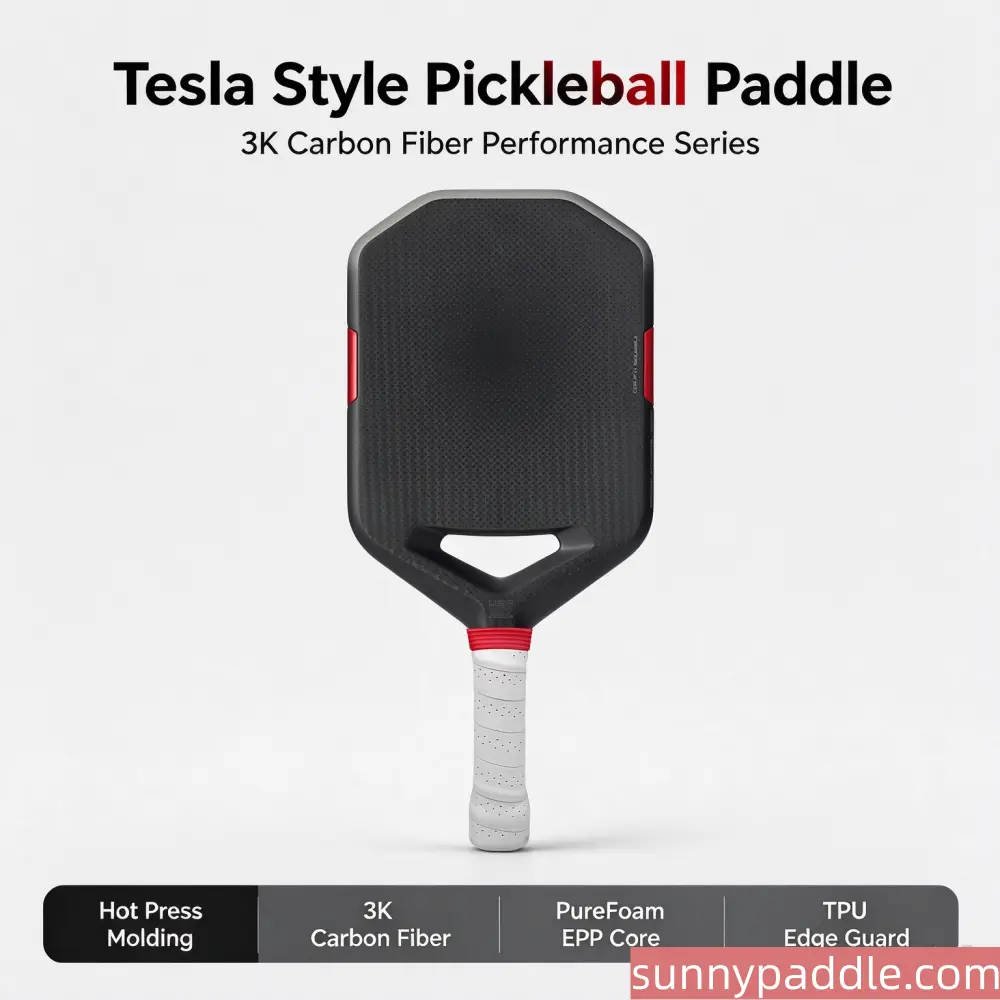
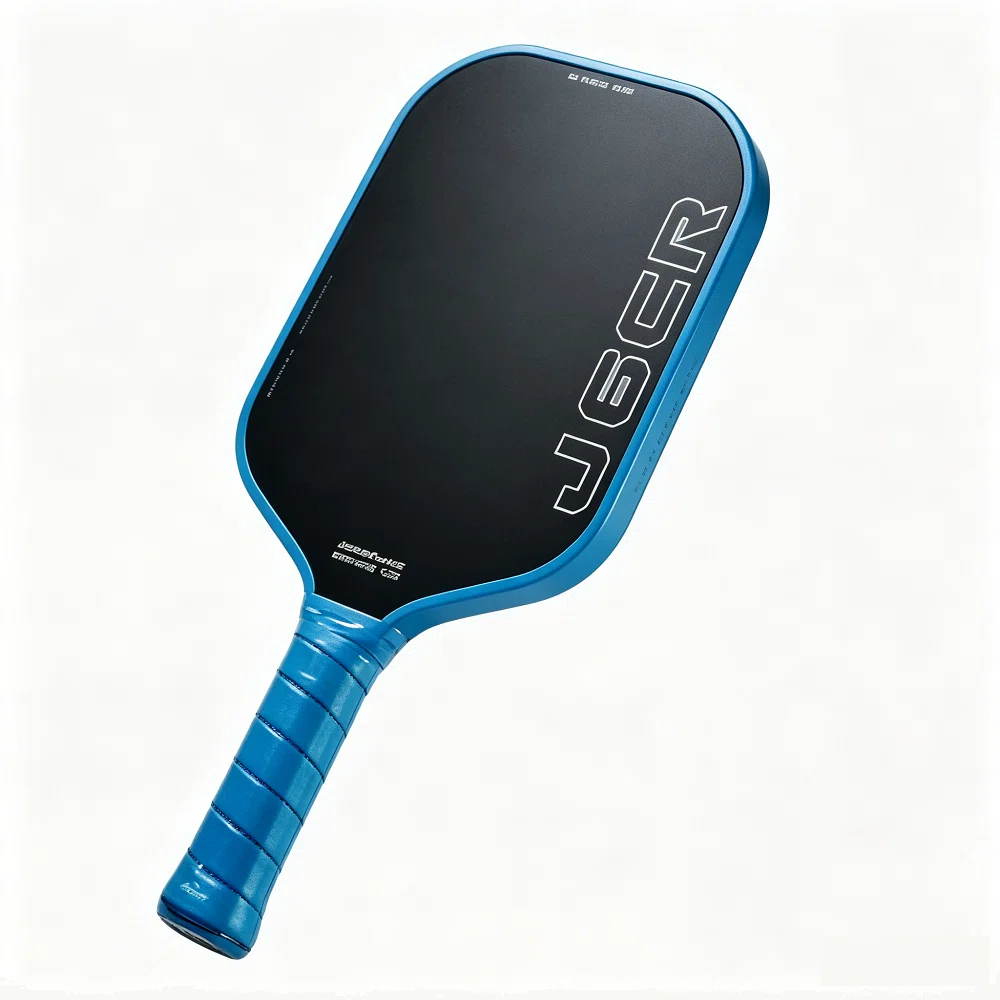
| Model No. | SUP-701 |
| Product Name | SLK New Style Pickleball Paddle |
| Molding Process | Hot Press |
| Surface Material | Carbon Fiber T700 |
| Pattern Craft | UV Printing |
| Surface Finish | Coarse Fabric Texture Matte |
| Core Material | EPP Foam Core |
| Edge Guard Material | TPU |
| Overall Dimension | 420mm*190mm |
| Paddle Thickness | 16mm |
| Paddle Weight | 225-235g |
| Grip Length | 145mm |
| Grip Circumference | about 4.2 Inch |
| Shock Absorption | High Shock Absorption |
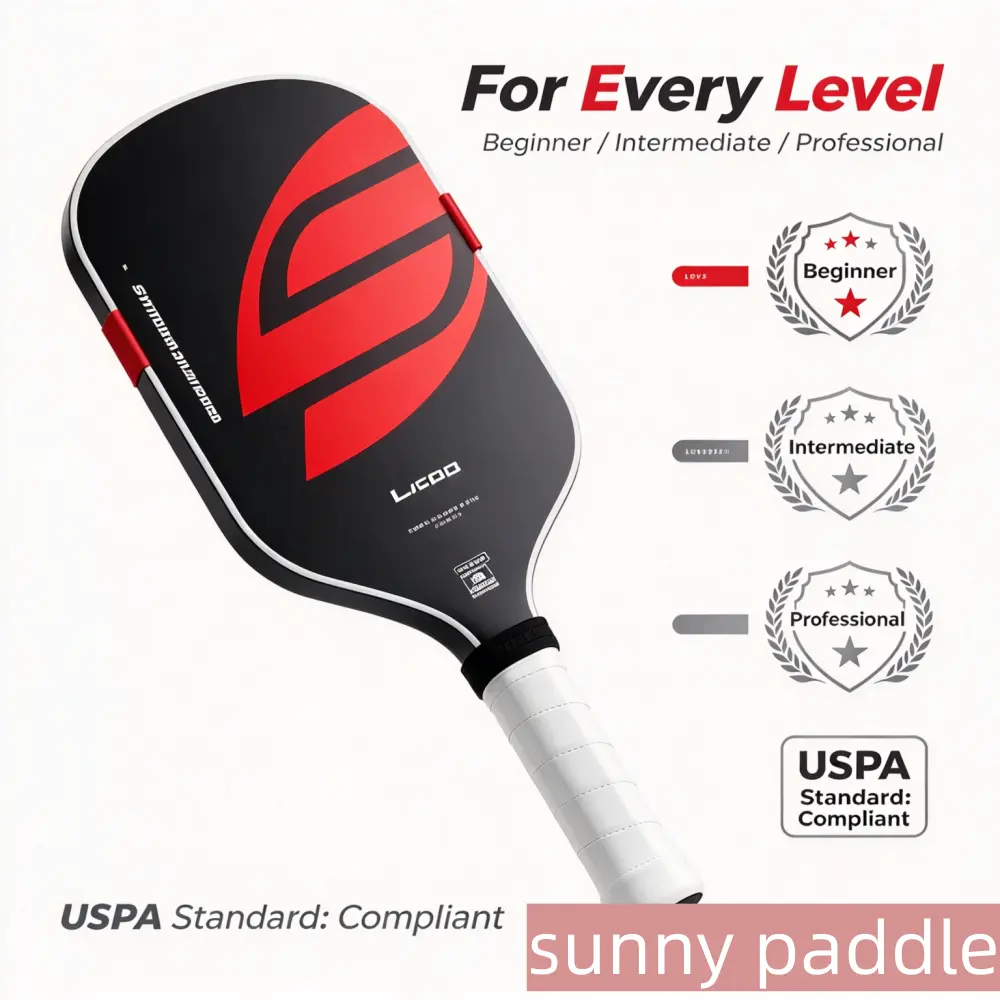
| Suitable For | Beginner / Intermediate / Professional |
| USAPA Standard | Compliant |